LGBTQ+ Youth Are in Crisis. Why Are We Turning Away?

This is a painful story for me to write, even now with the distance of nearly 30 years. On a May day in 1996, I answered the phone at work, a call from a former colleague. He was crying as he told me, “Devon is dead. He hung himself in the bathroom at his apartment.” It’s a detail and mental image I’ve never forgotten. Devon, only 34 when he died by suicide, had been my editor at a gay and lesbian news magazine. He also became a good friend.
Devon died before statistics were kept on gay and lesbian suicides, although reports as early as the 1980s suggested dramatically higher rates for gay and lesbian youth. Since then, more sophisticated and inclusive research shows that LGBTQ+ individuals are more than four times as likely to attempt suicide than their peers. The most recent data, published in October, found that elevated levels of bias, victimization, and political rhetoric are taking a “devastating” toll on the mental health of LGBTQ+ youth, according to the Trevor Project, a suicide prevention non-profit. Between September 2023 and March 2025, LGBTQ+ young people reported suicidal ideation increased to 47 percent from 41 percent, with anxiety and depressive symptoms also climbing sharply. Transgender and nonbinary teens represent the highest risk for suicide, according to the Trevor Project’s findings.
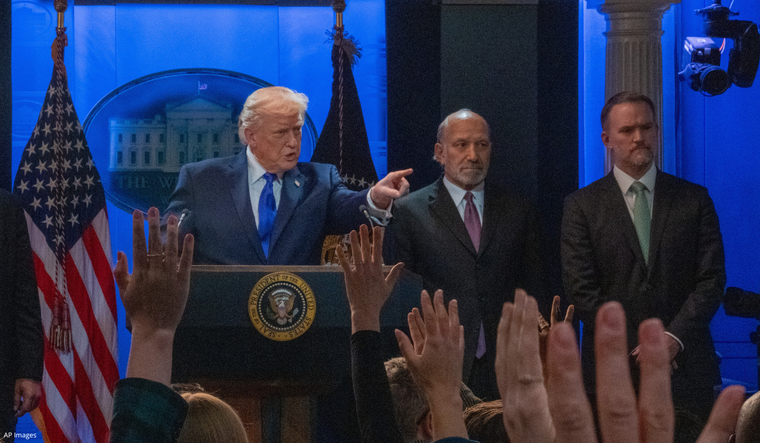
These are terrifying numbers in the abstract, but very real to LGBTQ+ young people and those who care for them. But they’re apparently not sufficient to reverse the Trump administration’s decision in July to shutter the 988 suicide hotline’s LGBTQ youth specialized services program. In just three years, this service had successfully fielded 1.3 million calls, chats, and texts—approximately 10 percent of all 988 calls—from LGBTQ+ young people.
In its day, when you dialed 988, and then pressed “3,” young queer folk were transferred to a counselor specifically trained in LGBTQ+ issues. “The importance of talking to someone who understands your experience or has a shared experience with you is invaluable,” Hannah Wesolowski, chief advocacy officer with the National Alliance on Mental Illness, said right before the service went dark. “For our LGBTQ+ young people, having a safe, supportive space that they can trust and talking with someone who understands and validates you is critical,” she added.
When Devon died, most gay men who took their own lives did so in darkness, whether literal or metaphoric. Martin McCombs, a Los Angeles psychotherapist with a gay-focused practice, told me that was a time when “the overwhelming majority of us … [felt] unloved, unsafe, and rejected by families and societies and institutions.” Since Trump took office, McCombs says he’s seen the impact of the administration’s moves firsthand: “Rates of depression and suicidal ideation have escalated in my practice….”
These days mirror those awful ones, with a continuing barrage from the current administration against trans men and women, MAGA-challenges to same-sex marriage in the courts, continued violence against LGBTQ+ individuals (while violent crime has otherwise decreased), and increased reports of young people being threatened with conversion therapy (also known as “reparative therapy” or “ex-gay therapy”), even though these practices have been condemned by every major medical and mental health organization in the country.
As Wesolowski told me recently, “[LGBTQ+ youth] are not okay…. It’s clear people are struggling and needing more help and support. ‘Suicide’ was one of our top 5 searches in our online knowledge center, increasing more than 150 percent in searches in August alone.”
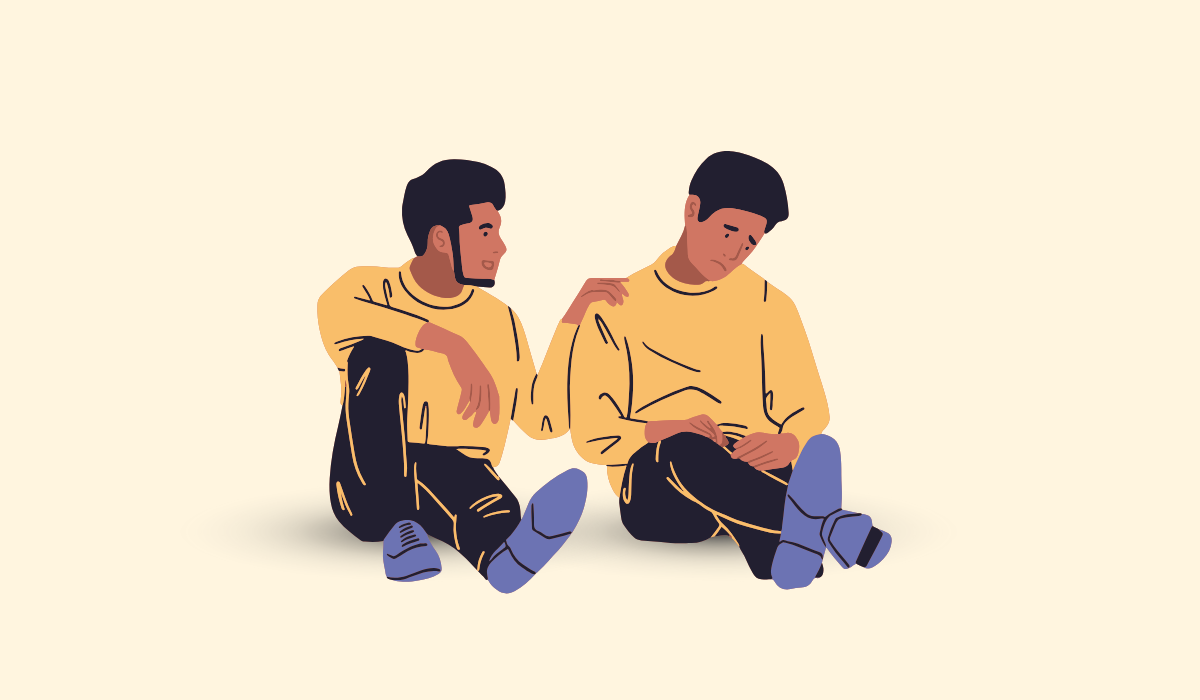
While much of the recent data were grim, there are some glimmers of hope. For instance, the Trevor study found that family support lowered the odds of suicidal thoughts by 62 percent. The findings also noted the crucial importance of supportive schools, affirming communities, and safe homes in improving the lives of young LGBTQ+ people.
From Statistics to Stories
It’s easier to talk about statistics than real people. That’s why I’m writing about Devon after all this time. For many years we had talked on the phone about everything, or so it seemed. Love affairs gone south. Gnarly work relationships. The challenges of being gay in the early years of HIV/AIDS, when that disease was a death sentence. Still, as close as we were, I’d never spoken to Devon about the persistent depression or the suicidal ideation that had first visited me when I was a college freshman.
Back then, I began keeping a daily journal, my one and only confidante. On April Fool’s Day, 1975, when I was 18-years-old, I wrote: “I think that at some point I am going to commit suicide. It will not be premeditated, but rather an irrational, spur of the moment decision, which I will be able to avoid for a while, but somehow I don’t think indefinitely. This scares me something terrible, but I don’t know what to do.”
I might have added, I didn’t know who to talk with. When I finally turned to a psychiatrist at Duke student health, the shrink phoned in a prescription for Valium, with the instructions “to take as needed.” It would be several years before I found a gay therapist, someone I trusted and who understood me. Until then, I hadn’t fully understood why it mattered.
A month after Devon’s death, I received an envelope with a return address in Seneca, South Carolina. It was from Devon’s father and stepmother and it contained a photocopy of his suicide letter.
To my family and friends: I’m so sorry to leave you all like this, but I can’t go on another day. What would be the point? I know you all care about me, but that isn’t enough to make me endure the pain of daily life, the cacophony of voices in my head, that tell me there is no better day coming. I wish your love and support had gotten through to me. I know it was there, I just never believed enough in myself to believe other people’s love.
Devon wanted his friends to have that letter, to understand the pain that prevented him from absorbing other people’s love. I’d long wondered what might have been different for him—and so many others—had there been a suicide hotline for LGBTQ+ youth.
Instead, I’m left with his final words to us:
“Thanks and much love to all of you who tried to help me. The list is too long. Please notify my friends of my death, and tell them what I’ve said here. It’s a pretty weak final scene, but I couldn’t bring myself to write everyone individually, as I would have liked.
Please think of the good times we had, and know I was always grateful for the good friends I’ve had. You’re a great bunch. See you in wherever.”
Love,
Devon
In the absence of the Press 3 option, young LGBTQ people can call the Trevor Project at 1-866-488-7386 or text START to 678-678, or chat online at TheTrevorProject.org; the National Coming Out Support Line and the Trans Lifeline, and the main 988 suicide prevention hotline.
Please note that we may receive affiliate commissions from the sales of linked products.