How the Smallest Acts of Compassion Can Help Those Suffering Tragic Loss

This week marks another anniversary of the Sandy Hook Elementary School shooting, one of our country’s greatest heartbreaks. Because this date falls during the holiday season, a time of joy for many, the contrast is especially stark for those grieving. Each year, I reflect on the twenty children and six educators lost, and on the families and communities still bearing their absence.
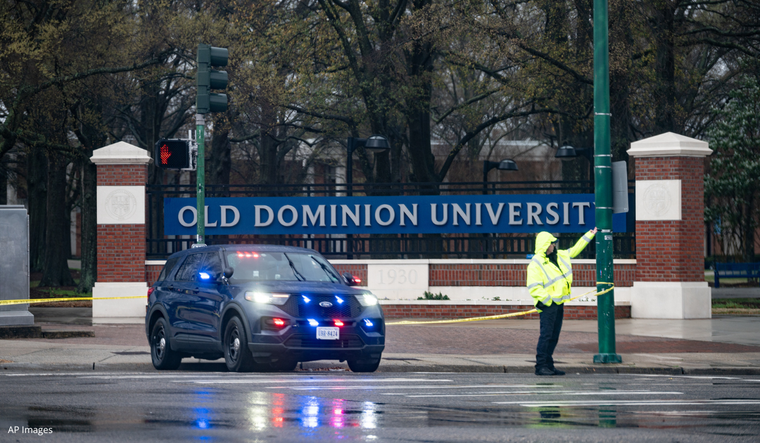
As I write this, there are reports of another shooting on the campus of Brown University. And with it, there will be a new devastated community, new parents and families whose lives have just been split into a before and an after. Like the families of Sandy Hook, they will begin facing the impossible pain of a sudden, violent loss, and the long road of learning how to breathe, parent, work, love, and survive in a world that no longer makes sense. Our hearts widen to hold them, too, even as we continue to honor those who have been living with this kind of grief for years.
For those grieving a tragic loss, the holidays often magnify the empty chair at the table, the stocking that stays folded in a drawer, the holiday card that never got sent, and the dreams that will never unfold. The season can feel impossibly lonely for anyone missing someone they love, and it can feel especially tender for families who have lost someone in a sudden or violent way.
Families grieving tragic loss include parents of children lost to gun violence, families mourning loved ones who died from fentanyl poisoning, suicide, drunk driving, domestic violence, medical negligence, and other preventable or sudden tragedies. The specifics differ, yet the impact on the human heart is devastating in similar ways. These families live with grief that arrived without warning and without mercy, and holidays and anniversaries often reopen wounds that never fully close.
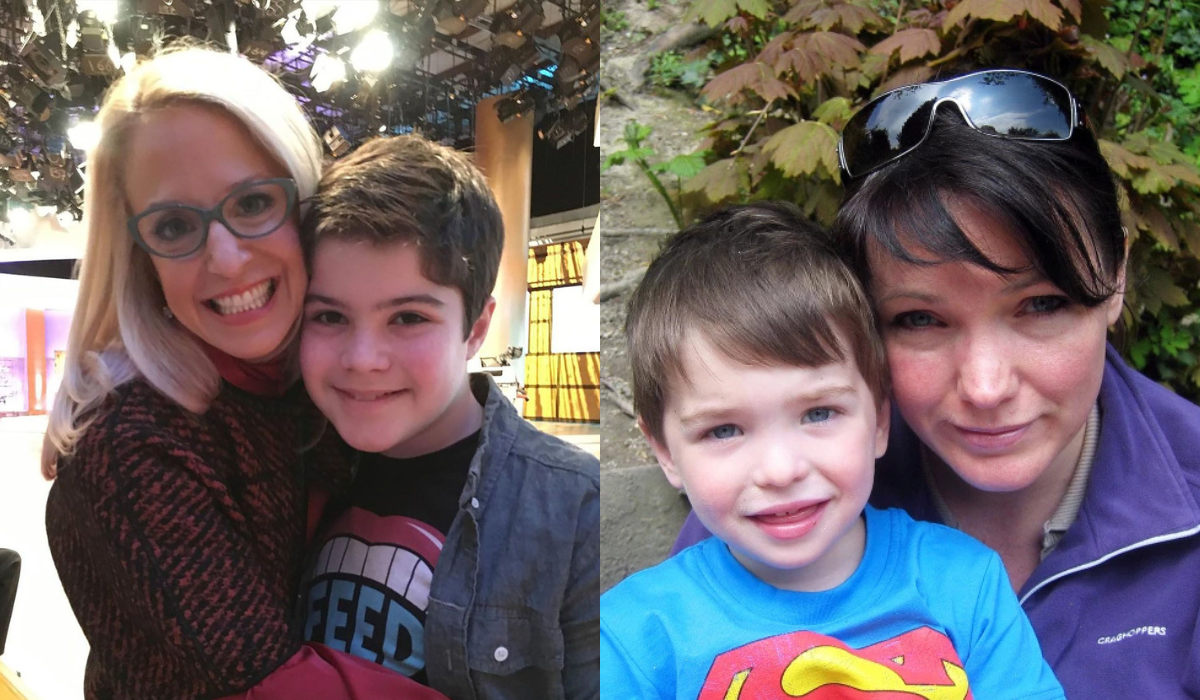
Nicole Hockley lost her six-year-old son Dylan in the Sandy Hook shooting. In the wake of losing Dylan, she co-founded Sandy Hook Promise, a nonprofit focused on preventing youth and gun violence. When I recently connected with Nicole, I found that so much of her experience echoed my own, because I have also experienced the tragic loss of a child. Her longing, shock, and ache of remembrance were all heartbreakingly familiar to me.
Nicole shared that December carries a particular weight. “So many people are moving through the month with joy and excitement, and I am experiencing all of it through a different lens,” she told me. “As December 14th approaches, the anxiety becomes palpable. It feels like a weight on my chest. I try to stay as busy and focused as possible, so the day does not swallow me whole.
Over time, however, something in Nicole’s grief has shifted. “My love for my son has not changed at all. What has changed is where I place my focus. Instead of centering everything around how he died, I think more about how he lived,” she told me. “I remember the joy of being his mom for six years and the privilege of continuing to be his mom for the rest of my life.”
When I asked what she wished people understood about anniversaries and hard dates, Nicole said, “Everyone’s experience is unique. Grief is not one-size-fits-all. You don’t get over it. There is no closure. You find a way through it.”
She also told me how the smallest gestures can mean more than people realize. “If you just say you’re thinking of me, send a heart emoji; it means so much. I want my son to be remembered. I might not reply when you reach out. That doesn’t mean I am not grateful. It simply means I am not in [an emotional] place to respond.”
Then Nicole said something many grieving hearts will understand: “I want to be alone on the fourteenth, but I don’t want to feel alone.”
Nicole’s reflections can act as a beautiful reminder that we all need to feel seen and cared for. If you love someone who is grieving a tragic loss, it can be so hard to know what to say or do, especially during the holidays. While this time of year can be tender for those living with loss, it can also be a chance for the rest of us to show up with care. When we reach out and remember alongside someone in their grief, we help transform a season of ache into a moment of human connection.
In that light, here are real ways to offer support that makes a difference:
Acknowledge their people.
Say their lost loved one’s name. Share a memory. As Nicole said, “It brings me joy when someone says Dylan’s name or asks me about him. What parent does not want to talk about their child? Mentioning his name will not hurt me. It’ll make me smile. My child is still my child. I don’t want him forgotten.”
Reach out during holidays and hard dates.
A simple message—"I'm thinking of you and your loved one today"—can soften the loneliness these days.
Don’t try to fix anything.
Your presence matters far more than any attempt to offer solutions or bright sides.
Listen without judgment or hurry. Traumatic grief takes time and often takes longer than people expect. Follow their lead.
Offer practical help.
Meals, errands, childcare, or simply sitting with them in a quiet room can be a lifeline during the emotional heaviness of the season.
Honor their loved one(s) through action.
Donate in their loved one’s name. Volunteer. Support an organization working to prevent similar tragedies. One of the most meaningful things we can do for families grieving a tragic loss is to act in honor of the person they miss. As Nicole told me, “When someone tells me they donated or took action in honor of my child, it touches me in a way there are no words to express. It tells me his life still matters to people; he is remembered.”
For Nicole, the greatest comfort comes from knowing that the work inspired by her son is protecting other children. Every life saved means another family is spared the devastation her own family lives with every day. And while that impact is what matters most, there is also something deeply meaningful about knowing Dylan’s spirit is woven into that change. As she told me, “If we have prevented a planned school shooting or helped a child in crisis, that means the world to me because his legacy is part of that work.”
As someone who has lived through the tragic loss of a child, I feel a deep kinship with families who wake up each day in a world forever changed. Our losses are not the same, and our relationships with those we lost are unique, yet there is a shared understanding among all who grieve a tragic death. It is the understanding that love does not end, that remembrance matters, and that the smallest acts of compassion from others can carry us through the hardest days.
As we honor this anniversary of Sandy Hook and move through the holiday season, may we hold space for all families grieving lives taken too soon. May we resist the urge to gloss over their pain with festive cheer. May we offer presence instead of pressure, compassion instead of advice, and connection instead of silence.
May we speak the names of the ones who are missed. May we honor their lives through kindness and through action. And may we work toward a world where fewer families face anniversaries like Sandy Hook at all.
Laura Berman, PhD, hosts The Language of Love and founded the Grief Healing Collective, an online community for those living with loss. On January 24 she is hosting Good Grief Day, a healing and fundraising event for all grievers to provide services to parents who have lost children.
Please note that we may receive affiliate commissions from the sales of linked products.