Why Connection May Be One of the Most Powerful Prescriptions for Health

Searching for deeper connection in your life? If you’re like many of us, that need may be making itself known in ways big and small. Maybe a friendship has fallen by the wayside, and you miss having that person you could call without thinking twice. Maybe a major life transition has changed the rhythms of your days, leaving fewer built-in reasons to see the people you once saw all the time. Or maybe the invitations don’t come as often as they once did, and you’ve looked around lately and realized your social circle is contracting.
That ache you’re feeling is a powerful message. Loneliness can affect far more than how we feel from one day to the next. It turns out our relationships matter to our health, too. Research suggests that the connections we have with others may affect how we handle stress, recover, and heal.
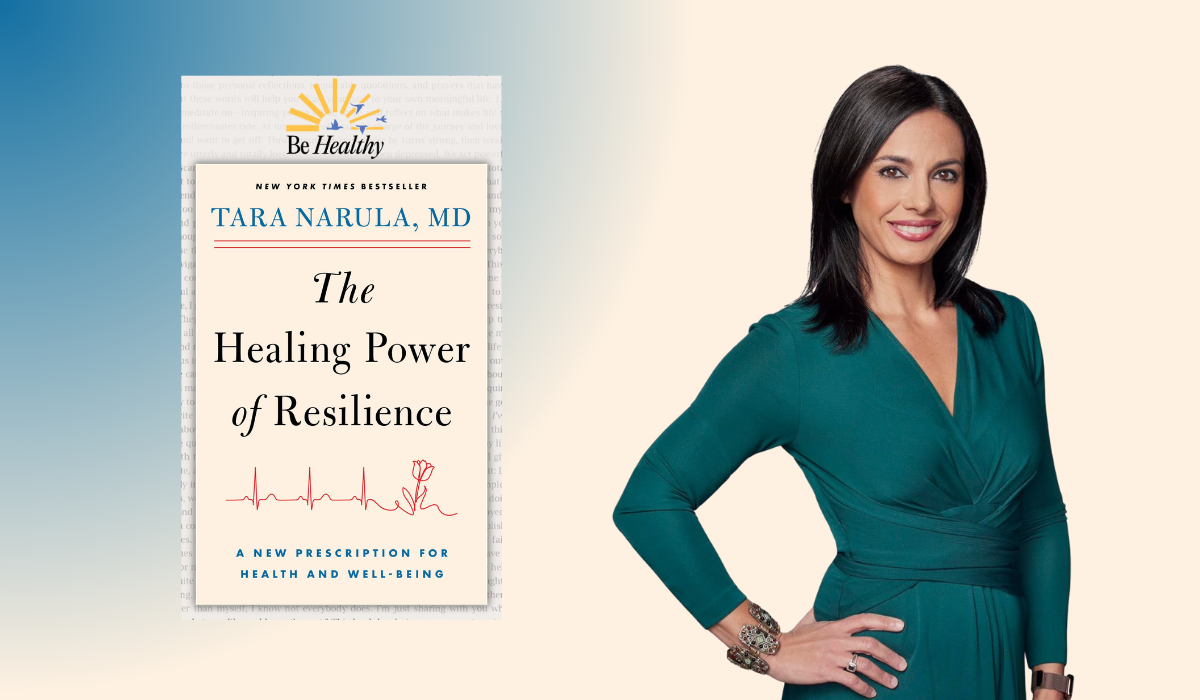
That connection between mind and body is at the heart of The Healing Power of Resilience, the debut book from Dr. Tara Narula. A practicing cardiologist, educator, and ABC News chief medical correspondent, Dr. Narula has spent decades caring for patients and has seen firsthand what can help people weather some of life’s hardest moments and begin to recover. Her book explores a question that comes out of that experience: What helps us make our way through life’s hardest moments and come out the other side?
In this exclusive excerpt, Dr. Narula looks at the toll loneliness can take on our health and resilience—and what we can do when we find ourselves feeling disconnected. She explains what happens in our brains and bodies when we experience warm connections and offers a practical way to start creating more of them in our own lives.
We hope her words inspire you to think about the connections in your own life—and perhaps reach out to someone today.
Here’s Your Exclusive Look Inside
As a healthcare provider, I worry about the toll that the chronic stress of loneliness takes on our mental and biological resilience. And my worry is not unfounded: Studies show loneliness is associated with increased risks of diabetes, cardiovascular disease, cognitive decline, and even shortened lifespan. In other words, loneliness can be lethal. How can we break through?
The science of connection
If we are stuck in a cycle of loneliness, it can be difficult to reach out and ask for help. But there are small steps we can take toward connection, especially toward building the warm connections mentioned above that can help us break out of the loneliness spiral.
Scientifically speaking, warm connections are social interactions that activate specific neurobiological pathways, leading to measurable physiological and psychological changes. There are a few, but I’ll talk about two I find fascinating.
First, such interactions spur the release of oxytocin, a neuropeptide that plays a pivotal role in social bonding and stress reduction.
Second, warm connections influence the autonomic nervous system, helping us switch from sympathetic dominance (characterized by fight, flight, or freeze responses) to parasympathetic activation (rest-and-digest mode), which lowers our heart rate, blood pressure, and cortisol levels.
Brain regions associated with reward and positive reinforcement activate the release of dopamine and other neurotransmitters that enhance feelings of pleasure and well-being.
Essentially, warm connections represent a complex interplay of brain and hormonal mechanisms that promote social attachment, emotional regulation, and overall well-being.
Breaking the loneliness cycle
That means that breaking out of loneliness requires a degree of retraining your brain, which, thanks to neuroplasticity, is possible at any age.
It helps to first show some self-compassion. Acknowledge that loneliness isn’t a personal failing; it’s a common human experience. Try to talk to yourself internally with the same kindness and understanding you’d offer a friend.
When negative thoughts creep in, such as “No one likes me,” look for evidence to challenge this thought. Our brains have a negativity bias, meaning we tend to focus on the negative (a great survival technique when we were living subsistence lifestyles, but not so much anymore), so you have to actively reframe your thoughts.
Mindfulness techniques can help with this. Even a few minutes of daily meditation can help you become more aware of your thoughts and feelings without judgment, reducing the power of those negative thought patterns.
Find, remind, and bind
Next, focus on building those warm connections. This isn’t about having a huge social circle; it’s about quality over quantity.
The phrase find, remind, and bind can be a great shorthand way to help us think about how we can break out of our feelings of isolation. This simple yet powerful framework helps us take a mindful approach to connecting with others.
The find step involves actively seeking out and noticing the good things that others do. Sounds easy, and it can be if you’re in the right frame of mind—being present and observant. If you are out of practice, start small. Take your time. The more you do this, the more small acts of kindness you will see.
The bind step is about articulating your appreciation sincerely and specifically, explaining why someone’s actions or qualities are meaningful to you—helping them to feel validated and seen. Choose one thing you’ve observed to share with someone else. For example, you could share with a colleague, “I find that you always bring a positive attitude to our meetings, even when things are challenging.”
The remind step is about reinforcing the positive connection by reminding the other person of their value and the impact they have on your life. It’s an expression of appreciation over time, not just a one time occurrence. For example, by saying something like “I’m reminded when we talk how much I appreciate your friendship and how your support has helped me through this latest challenge.” The more you do this, the easier it becomes.
If you encounter a setback—for instance, someone responds to you in a less than positive manner, or you find yourself feeling awkward—that’s okay. You can always go back to collecting positives you observe before you again feel ready to try to share something aloud.
Try to be patient and persistent. Building meaningful connections takes time and effort and, again, is a form of cognitive retraining.
Just like exercise, the rewards don’t come immediately.
Every interaction is a new opportunity to practice and refine your social skills. Celebrate small victories and acknowledge your progress.
Excerpted from THE HEALING POWER OF RESILIENCE. Copyright © 2026, Tara Narula, MD. Reproduced by permission of Simon Element, an imprint of Simon & Schuster. All rights reserved.
Dr. Tara Narula is a board-certified cardiologist, ABC News chief medical correspondent, and associate professor of cardiovascular medicine. She has spent more than two decades caring for patients while helping millions of viewers better understand their health. The Healing Power of Resilience is her first book.
We Want to Hear From You
Are you looking to deepen the connections in your life—or feeling like your social circle is getting smaller? What’s helped you build and maintain meaningful relationships, and what challenges are you facing? Share your experiences and advice with us in the comments.
Answer
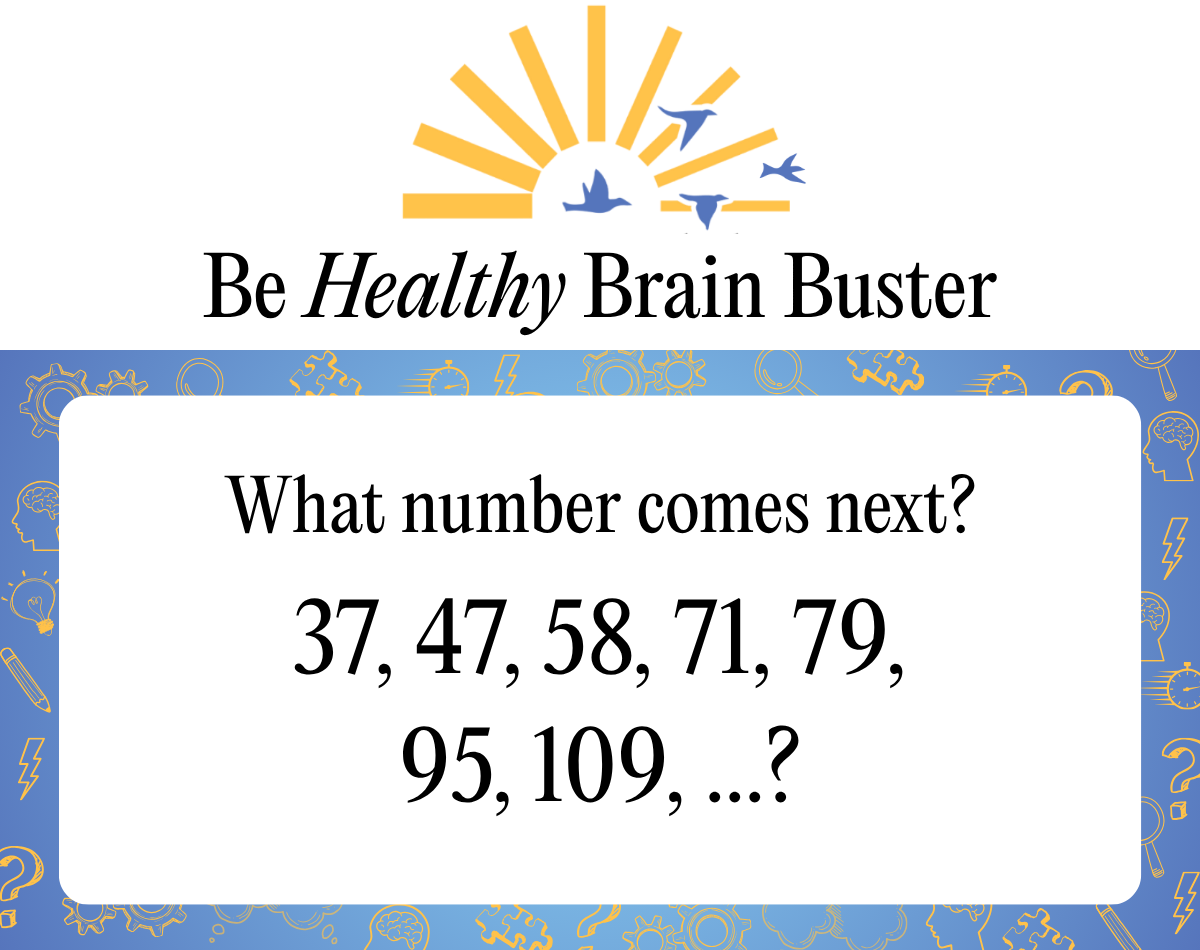
119, Add the digits of the previous number together, then add them to the whole number. (3 + 7 = 10, 10 + 37 = 47; 4 + 7 = 11, 11 + 47 = 58; 5 + 8 = 13, 13 +58 = 71; etc...)

Please note that we may receive affiliate commissions from the sales of linked products.