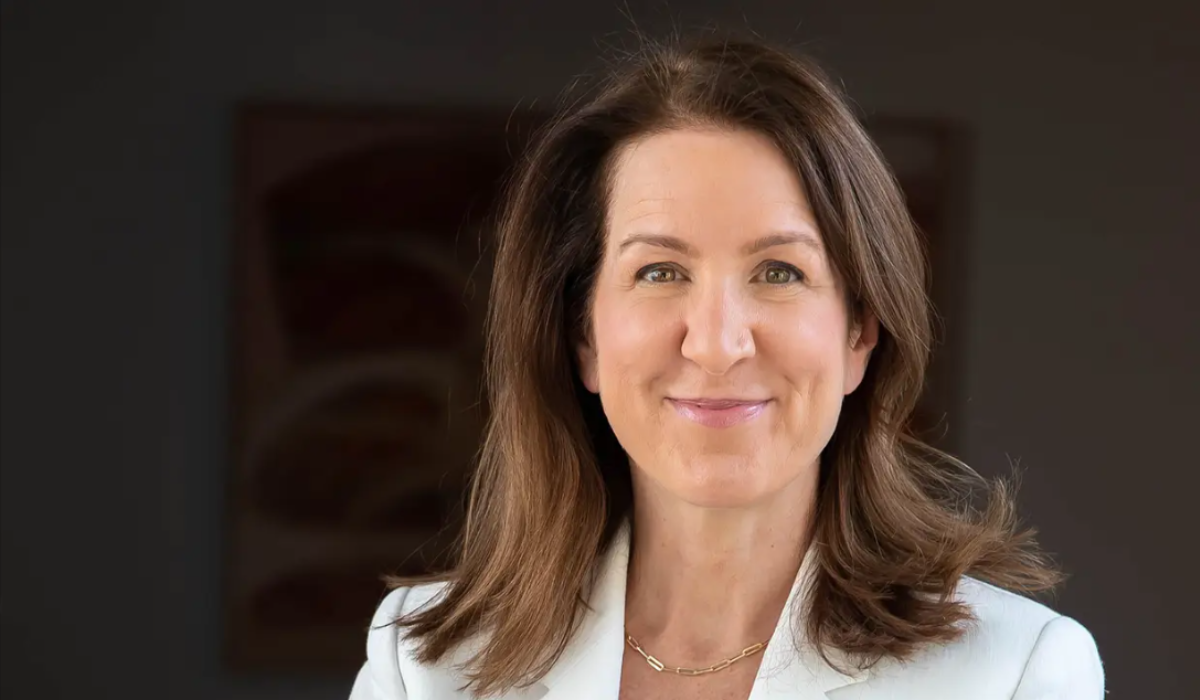
Dr. Lucy McBride: Yes, Credentials Do Matter

When the Jeffrey Epstein files were released last week, one detail caught many people off guard: Dr. Peter Attia, the longevity influencer whose book Outlive sold millions of copies and whose advice millions of people follow, never completed his medical residency and is not board certified in any specialty.
For those who had trusted his guidance on everything from exercise protocols to supplement regimens to disease prevention, this felt like a betrayal. “How was I supposed to know?” became the common refrain. “He’s a doctor. I assumed he was qualified.”
Here’s the uncomfortable truth: In the age of health influencers, podcasters, and wellness personalities, the line between “doctor” and “medical expert” has blurred almost beyond recognition. And most of us have no idea how to tell the difference.
Let me help you figure it out.
Why this is confusing (and why it matters)
The medical credential system is genuinely complicated. It involves multiple steps, different types of licenses, various specialties, and enough alphabet soup (MD, DO, FACP, ABIM) to make anyone’s head spin. The system wasn’t designed to be transparent to patients; it was designed by doctors, for doctors.
But credentials matter. Not because they guarantee someone is a good doctor, but because they tell you what training someone has actually completed, what they’re qualified to do, and who is holding them accountable.
When someone with incomplete training gives medical advice to millions of people, and those people assume that advice is backed by the full weight of medical education and oversight, that’s a problem. Not because the advice is necessarily wrong, but because you deserve to know what you’re getting.
What the credentials actually mean
Let me break down the basics:
Medical Degree (MD or DO)
This means someone graduated from medical school. That’s four years of intensive study after college. Here’s what it doesn’t mean: it doesn’t mean they’re trained to practice medicine on their own. Medical school teaches you the science. It does not teach you how to be a doctor.
Think of it like getting a driver’s permit. You’ve passed the written test. You understand the rules of the road. But you’re not ready to drive alone yet.
Residency
This is where you actually learn to practice medicine. Residency is three to seven years (depending on the specialty) of working with patients under supervision. You’re making decisions, managing cases, learning from mistakes, and being evaluated constantly.
This is where medical school knowledge becomes clinical judgment. It’s the difference between knowing what pneumonia looks like on a chest X-ray and knowing how to treat the 80-year-old patient in front of you who has pneumonia, diabetes, and heart failure.
Peter Attia started a residency at Johns Hopkins but did not complete it. He did not complete the training that qualifies doctors to practice independently. Also note that Attia’s residency was in general surgery, not internal medicine which is the field he practices in. In other words, Attia is not even qualified to remove an appendix, not to mention counsel patients on complex issues like cardiovascular health and hormone therapy.
Board Certification
After you finish residency, you take an exam administered by a specialty board (like the American Board of Internal Medicine or the American Board of Pediatrics). Passing this exam means you’ve demonstrated competence in your field. It also means you’re committing to ongoing education and periodic re-certification.
Board certification isn’t legally required to practice medicine in most states, but it’s the standard. Hospitals require it. Insurance companies look for it. And importantly, it means someone other than you is verifying that this doctor knows what they’re doing.
Fellowship
This is additional training beyond residency in a subspecialty. For example, after completing a residency in internal medicine (three years), you might do a fellowship in cardiology (three more years). Fellowships are optional and signal deep expertise in a specific area.
What to look for (and questions to ask)
Here’s what I want you to do the next time you’re considering following health advice from someone, whether it’s a primary care doctor like me, a specialist, or an influencer whose podcast you’re thinking about trusting:
1. Find out if they completed residency training.
This is the most important question. If someone has a medical degree but didn’t finish residency, they may have valuable knowledge and even have a license to practice medicine (oftentimes in multiple states), but they are not fully trained to practice clinical medicine. That doesn’t mean you can’t learn from them, but you should know what you’re getting.
2. Check if they’re board certified.
You can verify this for free. The American Board of Medical Specialties has a website (certificationmatters.org) where you can search any doctor’s name and see their certification status. It takes 30 seconds.
3. Ask what they’re actually trained in.
If someone is giving advice about nutrition but trained as a surgeon, that’s worth knowing. Doctors are not experts in everything medical. We have areas of deep knowledge and areas where we’re generalists at best.
4. Look for ongoing accountability.
Are they licensed to practice medicine in a specific state? Are they affiliated with a hospital or medical group? Do they see patients? These affiliations create accountability. When someone operates only in the wellness space—selling supplements or programs—without maintaining an active medical practice, there’s less oversight.
5. Notice what they’re selling and the evidence to back it up.
Everyone has a business model, including me. I have a newsletter, a book coming out, a podcast. It’s okay to make money from medical expertise, but you should know where that expertise comes from. When someone’s primary income comes from selling you unproven products or prescriptive advice without appropriate credentials, and when the inherent uncertainty of medicine is weaponized to garner clicks and likes, you need to know what you are paying for. It doesn’t make these people dishonest, but it means you should think critically about what they recommend.
Let me be clear: You can learn valuable things from people with varied backgrounds—health coaches, nutritionists, physical therapists, journalists who cover medicine. But you should know what their training is and make an informed decision about how much weight to give their advice.
The problem with the current wellness landscape is that these lines have become blurred. People with incomplete medical training present themselves as medical authorities. People with no medical training at all use the language of medicine to sell products. And patients are left trying to figure out who to trust.
What empowerment actually looks like
Here’s what I want you to take away from this: Asking about someone’s credentials is essential for being an informed consumer of health-related information. You are not obligated to trust someone just because they have “Dr.” in front of their name, and you are not helpless in a system that often feels designed to keep you in the dark. The information exists. The tools to verify credentials are free and accessible. What’s been missing is someone telling you that it’s critical to use them.
Being an empowered patient is not about rejecting doctors or going it alone. It’s about asking better questions, verifying information, understanding incentives, and making informed decisions about who you trust with your health.
Dr. Lucy McBride is a board-certified internal medicine physician who completed her residency at Johns Hopkins Hospital. She is the author of the newsletter Are You Okay? on Substack and her first book, Beyond the Prescription: A Doctor’s Guide to Taking Charge of Your Health, will be published in August 2026.

Please note that we may receive affiliate commissions from the sales of linked products.