Rick Steves Knows the Secret to Strengthening Our Connections

Rick Steves came with me on my first trip to England, more than 30 (!!) years ago —a copy of “Europe Through the Back Door,” in my backpack. For millions of Americans, Steves is a constant travel companion, whether through books, his television series, “Rick Steves’ Europe” or his radio show, “Travel with Rick Steves.”
He doesn’t just walk the walk, he takes others with him—his small-tour program brings more than 30,000 people to Europe every year.
His curiosity, his simple travel style (we disagree on the number of shoes needed), and the ease with which he connects with new friends has made him a trusted travel advisor, whether recommending torture museums or safety tips. So we thought: Who better to ask about the impact of millions of people traveling to America for the World Cup?
From his home near Edmonds, Washington, Steves, talked about fostering global understanding, inspiring Americans to experience travel beyond Orlando, and his own experience at the Iran versus Egypt game in Seattle. The 71-year-old had just returned from a 50-day trip across Europe, ending in Switzerland and said he was happy to be home—for a while.
A CONVERSATION WITH RICK STEVES
Watching visitors experience the United States during the World Cup, what stood out to you?
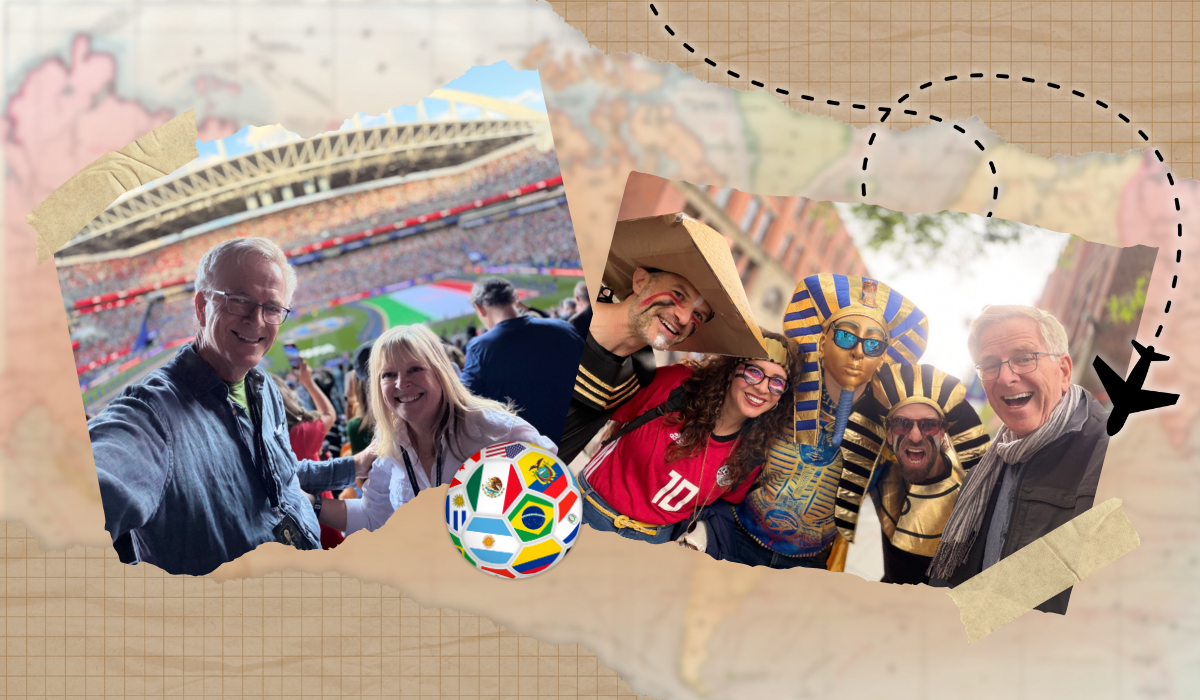
I had the beautiful opportunity to go to the Iran versus Egypt game in Seattle, and I remember I got off the train early so I could walk through the whole festive street scene. It occurred to me so vividly that what I'm excited about—travel—it's the same thing the World Cup does when it brings people together this way. We had people on the street in Seattle from all sorts of disparate corners of the planet, and it was just a festival of good feelings. I just thought the World Cup does essentially what travel does. It connects people. It puts you in a mindset where you want to build bridges more than you want to build walls.
Were you surprised by what visitors found fascinating about America?
Every time I host visitors from Europe here, we have a summit with our guides. I have 100 guides that come to Seattle each year for a workshop, and they all want a free day so they can go to Costco. They don't have anything quite like that, and we are such a wonderful consumer society. We can get a mountain of Butterfingers or French dressing by the gallon. That's just fun.
Why do you think Americans were surprised by how well it went?
Our default is to be fearful, and we are a very fearful country right now, and you know, FDR said the only thing we have to fear is fear itself. That thinking threatens the people who are calling the shots right now. They're using fear against us, and I know that fear is for people who don't get out very much. The flip side of fear is understanding, and we gain understanding when we—I would normally say travel, but in the context of the World Cup, we gain understanding when we meet people from other societies, other countries, other cultures. So when we travel, we meet people, we come home, we're less afraid.
When people come here for a global athletic celebration like this, we celebrate in the street together, we become less afraid. We know there's problems. I was in the streets there, and there were problems with Palestinians, Israelis, Iranians who support the Shah, Iranians who don't like the Shah, Egyptians who just want to win the game, it was all in the street mixing it up.
I thought it was a beautiful coming together of humanity, and you've got your hang-ups, we got our baggage, you've got your dictator, we've got our political challenges, and we're all just trying to make it.
What do you think people gain when they meet those they're often told to fear?
Anytime we can meet people, when we travel far away to meet people who are supposed to be our enemy, or when people come here who are supposed to be our enemy, when we meet them and they meet us, when they go back home, it's tougher for their propaganda to dehumanize us. When we get to know them, it's tougher for our propaganda to dehumanize them. That's what governments do, is they dehumanize their enemies so they can go to war.
We’ve got to remember our enemies are just like us. They just have a different government. They may not be our religion, they may not speak our language, they may not have our work ethic, but they've got their own families and their own concerns and their own hearts and their own complicated relations with God and with each other and with their neighbors, and we're all just trying to sort this out. It's so fun to get together.
How does welcoming visitors strengthen relationships between countries?
If you want to be safer, you don't need to spend more money on your military. You need to spend more money getting out there and getting to know the world and inviting the world here to get to know us. It's going to be much more tough for countries to go home and hate us once they've been to Costco and once they've been drinking with us in the streets doing the Norwegian [Viking] Row together—most people didn't know anything about Norway. Now we know a few, it might be cliché things, but still, we know about Norway.
What impressed you most about experiencing the World Cup in Seattle?
I'm not a soccer fan, but I've got a greater appreciation because I love the impact of the World Cup. Because it was celebrated in the United States this year, and I had a chance to experience it firsthand. If it's celebrated in Paraguay, it doesn't connect with me much, but it's celebrated right here in my own town, and we were overrun with people from all different corners. People had a great time, and people now know the exquisite, ecstatic, delightful experience of putting ranch dressing on their salad.
Is there anything else you'd like people to take away from the World Cup experience?
Nationalism takes on a negative connotation, but I think nationalism can be a good thing, and when I think of struggles for independence in the 19th century in Europe, those were nationalism in the good sense. The Norwegians should be free from Denmark and Sweden, you know, the Germans should be united, the Italians should be united. And during the World Cup, we witnessed and shared, I think, a good kind of nationalism, a healthy nationalism, and also a sportsmanship where you realize it's a family of nations.
I love that term, a family of nations, and we can compete, we can win, we can lose, we can cheer, and we can go home being glad that we were together. So that's a beautiful thing.
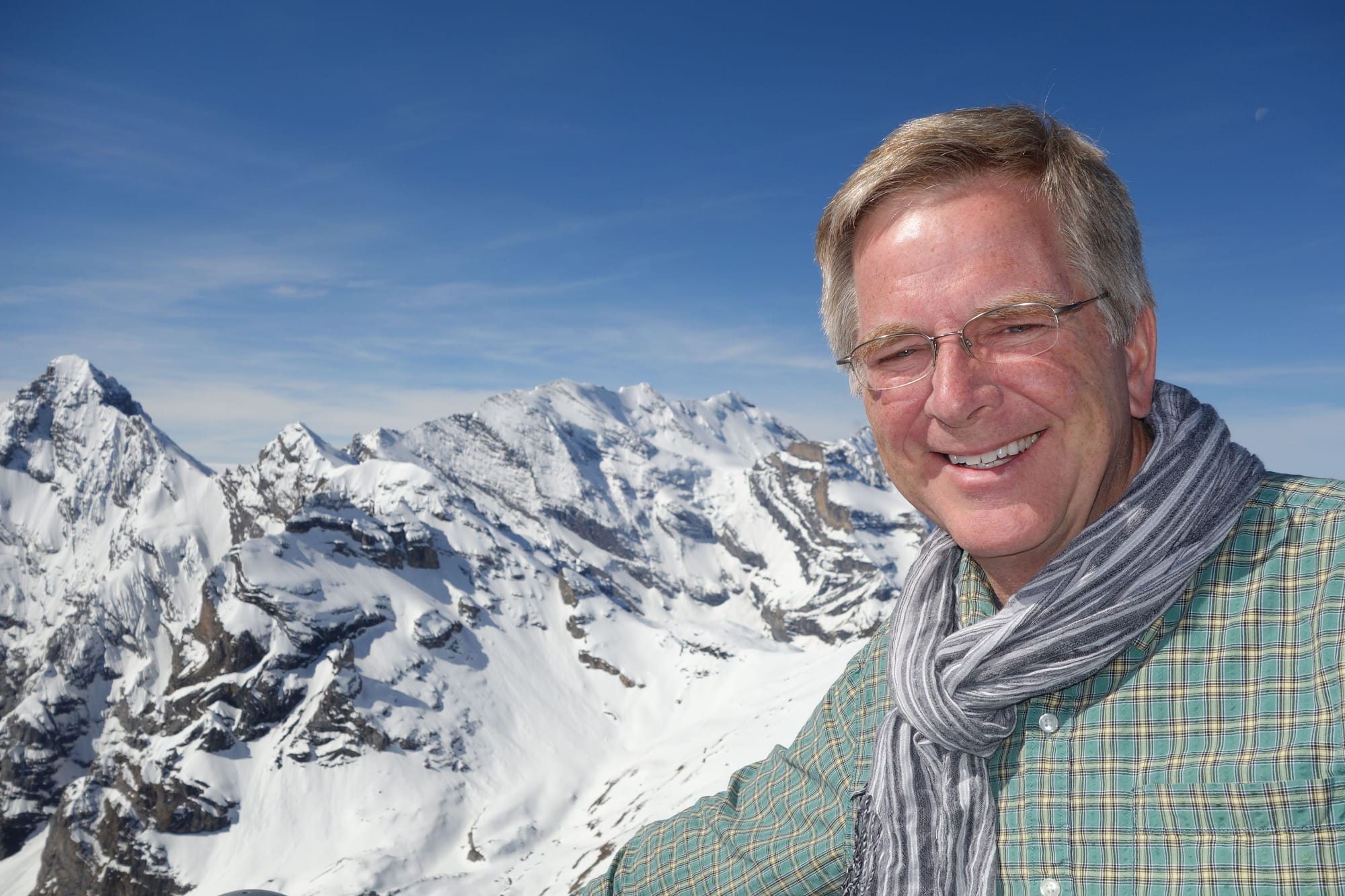
Rick Steves is an American travel writer, activist, and guide focusing on European travel. Learn more at ricksteves.com.
Please note that we may receive affiliate commissions from the sales of linked products.