Trying to Make Sense of GLP-1s?

In recent years, GLP-1 medications have become ubiquitous, with more of us talking about them and maybe even curious if they’re right for us. Drugs like Ozempic, Wegovy, Mounjaro, and Zepbound (known as GLP-1s) are changing the way we talk about weight, willpower, metabolism, and even the stigma and shame that too often comes along with conversations about weight and weight loss. They are also prompting questions about long-term safety, access, and cost.
First, what are GLP-1 medications?
GLP-1 stands for glucagon-like peptide-1, which is a hormone all of us make in response to eating. When food enters your stomach and moves through your digestive tract, your body releases GLP-1 in the intestine. It then travels to receptors in multiple parts of your body to trigger different actions.
For example, in the pancreas, GLP-1 triggers the release of insulin (the hormone that lowers blood sugar levels) and suppresses the release of glucagon (the hormone that raises blood sugar levels). In the stomach, GLP-1 slows gastric emptying, which means food doesn’t move through the digestive system so quickly and you stay fuller longer. In the brain, GLP-1 receptors suppress hunger and food cravings.
The most potent stimulators of the GLP-1 our own bodies naturally make are protein and fat, which is one reason why you tend to feel fuller after eating these macronutrients than after eating carbohydrates. But here’s the catch: The GI tract rapidly breaks down the GLP-1 our bodies naturally make. In fact, it’s broken down so quickly that it has little effect on our appetites.
How do GLP-1 medications work?
They stimulate GLP-1 receptors and influence your body’s weight-management mechanisms in a number of ways:
- They control appetite and enhance satiety
- They delay gastric emptying, leading to a prolonged feeling of fullness
- They increase the release of insulin when blood glucose levels are elevated, which in turn improves blood sugar levels
- They bind to GLP-1 receptors in the pancreas and suppress the release of glucagon (the hormone that stimulates the liver to release glucose into the bloodstream), helping to lower blood sugar levels
There are multiple considerations when it comes to understanding if you’re a candidate for one of these medications, and it’s important to talk through your health history with your care team when discussing whether taking a GLP-1 is right for you.
To help you prepare for that conversation—or if you have questions about how these medications work, whether they’re right for you, non-pharmaceutical approaches to weight-health, and more—there are a handful of new books to help you navigate the topic. Here’s how to choose which one may be right for you.
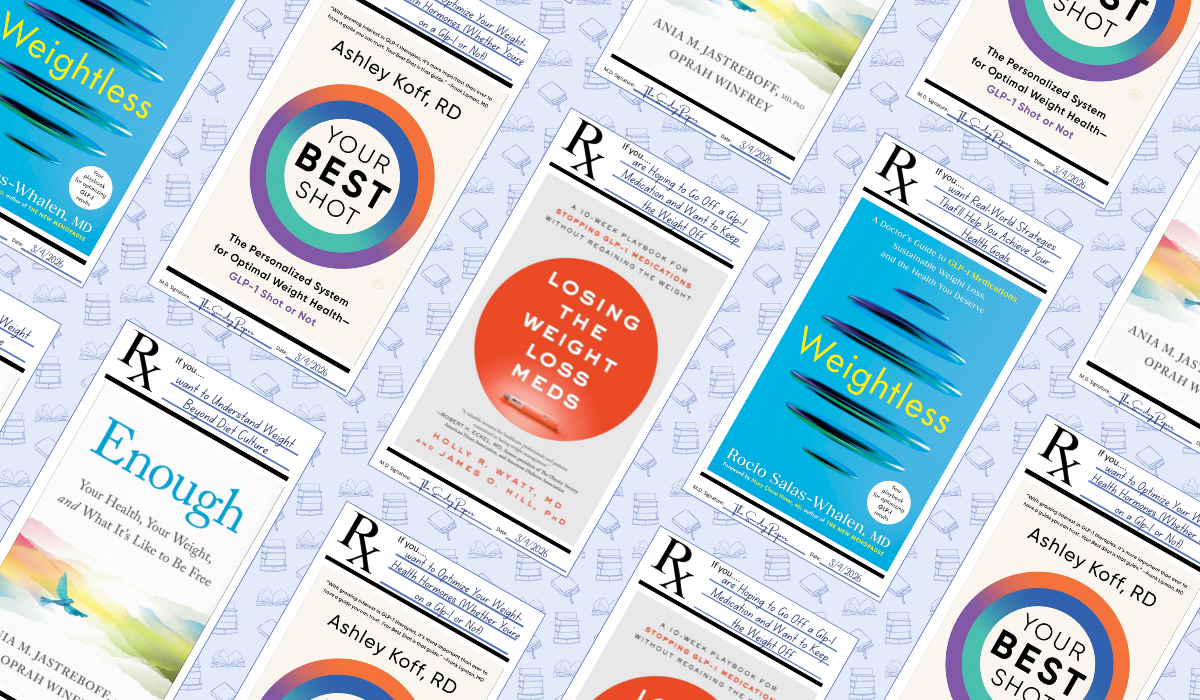
YOUR BE HEALTHY BOOK Rx
If You … Want to Understand Weight Beyond Diet Culture
Your book Rx: Enough: Your Health, Your Weight, and What It’s Like to Be Free
There’s a good chance this book, co-authored by Oprah Winfrey and Yale endocrinologist Ania M. Jastreboff, will completely reframe how you think about weight and health. You’ll finish with a new understanding of how weight isn’t a matter of willpower or personal failure, and that obesity is a chronic, biologically driven disease influenced by many factors. Oprah keeps it real when writing about her deeply personal history of struggling with her weight, and Dr. Jastreboff offers science-backed insights to help you understand exactly how the body regulates appetite, why diets often fail, and how GLP-1s can support sustained weight loss.
If You … Want to Optimize Your Weight-Health Hormones (Whether You’re on a Glp-1 or Not)
Your book Rx: Your Best Shot: The Personalized System for Optimal Weight Health—GLP-1 Shot or Not
Registered dietitian Ashley Koff, RD, has written the ultimate playbook to help us understand the body’s hormones that regulate appetite, satiety, cravings, and metabolism beyond GLP-1, including GIP, PYY, and CCK. Even better, she outlines exactly how to optimize how they work. This, says Koff, is key—whether you’re taking a GLP-1 medication or not. Koff has been on a mission to personalize nutrition advice for years. With Your Best Shot, she shows us how to make a personalized decision about this new class of weight-health medications. The book is filled with advice all of us can put into practice to achieve long-term metabolic health, starting immediately.
If You … Want Real-World Strategies That’ll Help You Achieve Your Health Goals
Your book Rx: Weightless: A Doctor’s Guide to GLP-1 Medications, Sustainable Weight Loss, and the Health You Deserve
Want to know exactly what an obesity medicine doctor does to help her patients achieve their health goals that once felt out of reach? This book, written by Rocio Salas-Whalen, MD, is filled with the practical advice she’s given her patients for years, helping them see obesity not as a personal failure, but as a chronic condition that deserves medical treatment. Dr. Salas-Whalen breaks down topics like why the old adage to “eat less and move more” doesn’t work, how to choose an experienced provider when starting your GLP-1 journey, exactly how to preserve muscle for long-term success and manage side effects, and more.
If You … Are Hoping to Go Off a Glp-1 Medication and Want to Keep the Weight Off
Your book Rx: Losing the Weight Loss Meds: A 10-Week Playbook for Stopping GLP-1 Medications Without Regaining the Weight
Here’s the truth: Most people regain weight after going off weight-loss medications like Ozempic, Wegovy, Mounjaro, or Zepbound—unless they have a deliberate plan to transition off the medication. This book provides that plan. Written by obesity experts Holly R. Wyatt, MD, and James O. Hill, PhD, you’ll get a 10-week program that’ll help you use food, physical activity, and mindset strategies to reset your appetite naturally, fight food cravings, and catch early signs of weight regain before it snowballs. This is a compassionate, realistic roadmap that’ll help you understand how both biology and behavior change work together for lasting weight-health results.4
Please note that we may receive affiliate commissions from the sales of linked products.