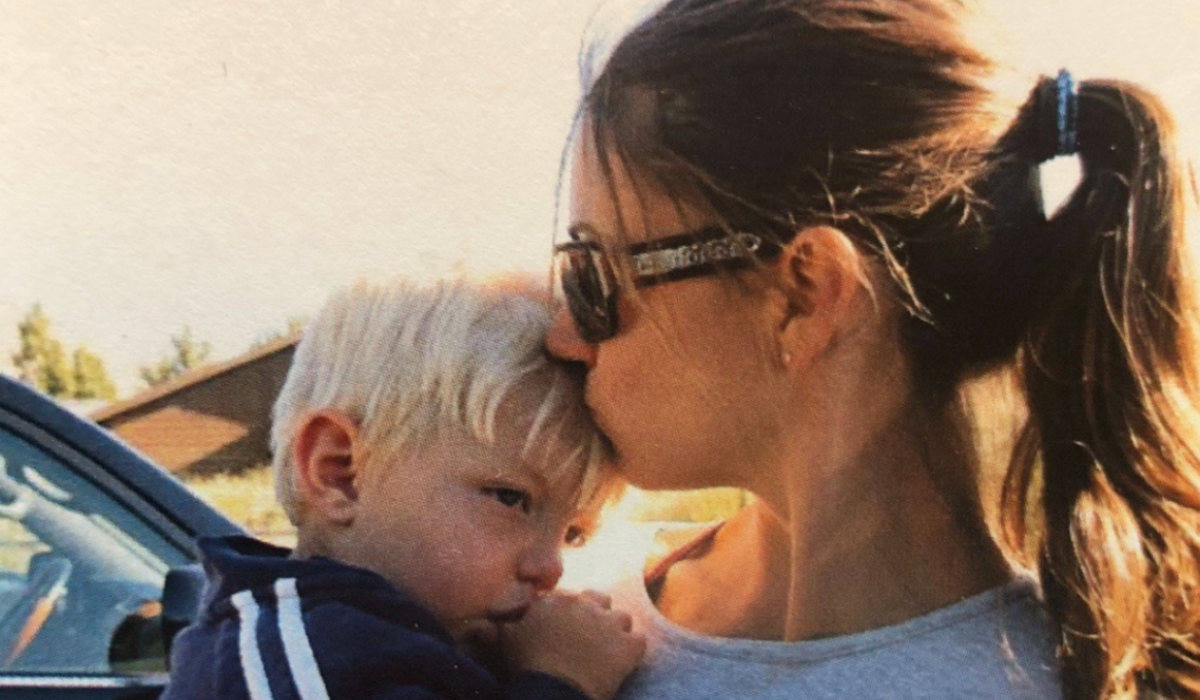
The Pressure to Forgive

Not long after my son was killed, a relative asked whether I had considered forgiveness as a way to heal. Forgiveness to heal? I was incredulous.
I understood the intention. It came from a good place, from the widely held belief that forgiveness is the path to peace. But I’ll be honest: My reaction was not pretty or graceful, nor am I proud of it. Tears and rage. My temper flared badly. My tongue was sharp.
Because when your child has been taken from you by someone else’s choices, forgiveness does not feel noble or enlightened. It feels like pressure and an insult.
Pressure to rise above and make sense of an unexplained tragedy.
Pressure to offer grace before the devastation has even been fully acknowledged.
Since then, I have returned to that question again and again: Why are we so often asked to forgive? Why is forgiveness treated as the natural destination of grief, especially when the harm is irreversible?
We speak about forgiveness in this culture with such certainty. We describe it as healing, freedom, peace, closure. We are told it is not for the person who caused the harm, but for ourselves. We are told it will free us.
And perhaps for some people, it does.
But I have learned that forgiveness can also be romanticized in ways that ignore its emotional cost. Introduced too soon, it can feel less like healing and more like an insult placed on the wounded. It can ask a grieving person to become spiritually resolved before they have even had the chance to fully name what was taken from them.
Should I forgive the person who killed our son?
That is not a theoretical question for me. It is not philosophical. It is not easy. It lives in the space between love and rage, faith and disbelief, memory and absence.
What exactly are victims being asked to do when they are asked to forgive? Are we being asked to let go of anger? To make peace with injustice? To soften our pain so others can bear it more comfortably? To release the person who caused the harm before we have figured out how to live with it ourselves?
And what, exactly, do we receive in return?
Do we get peace? Maybe.
Do we get liberation? Possibly.
But do we get our loved one back? No.
In the end, my son is still gone. Forgiveness does not restore his future. It does not erase the milestones that now arrive with ache, the silence where laughter used to be. It does not undo the moment that divided our lives into before and after.
So I ask myself another question: Why is there so much urgency to forgive the person who caused the harm, while the gradual forgetting of the people who must live with that harm forever is accepted?
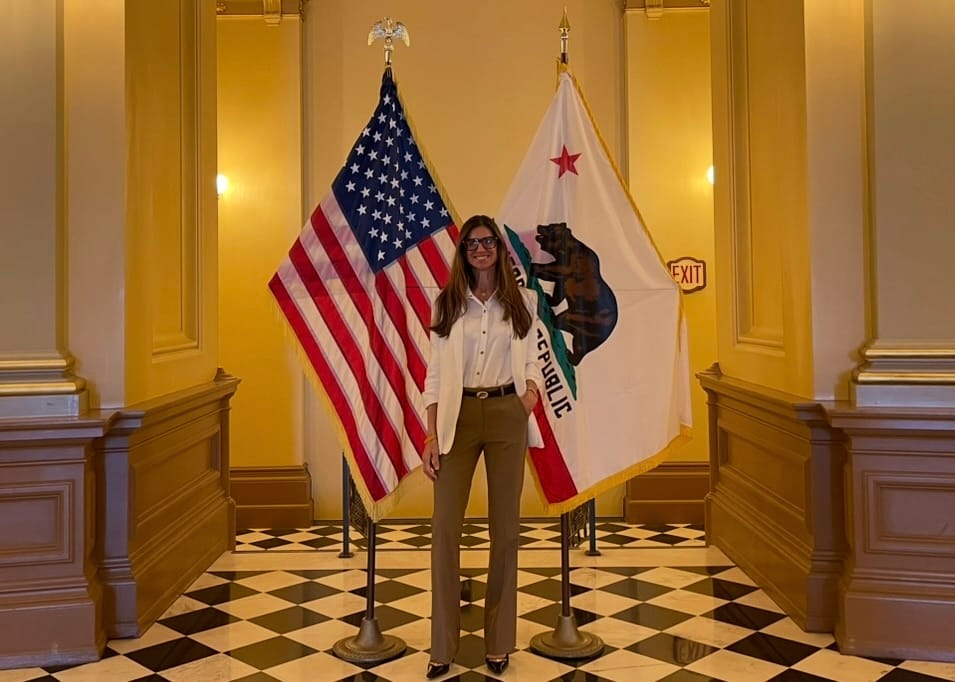
In the months since my son’s death, I have learned a lot through advocacy. I’ve had conversations at the state and national capitals, through work on legal reform, and through listening closely to how both sides understand justice, mercy, accountability, and punishment.
What I have come to see is that each side believes it is protecting something essential.
One side speaks in the language of second chances, balance, and redemption. They worry about overreach. They worry about a system that punishes without leaving room for rehabilitation. They want to preserve the humanity of the person who caused the harm.
And I understand that instinct. I do. No society should lose sight of human dignity.
But I have also seen how often that framework leaves victims feeling invisible.
Because from the victim’s side, what sounds like compassion for the offender can feel like abandonment of the innocent. What is described as balance can feel like minimization. What is framed as mercy can feel like a system bending over backward to understand the person who made the choice, while asking the grieving to quietly absorb the consequences for a lifetime. Simply put, it feels dehumanizing and deeply hurtful.
That tug and pull has taught me something difficult but important: our public conversations about justice are often more comfortable with the suffering of victims than with the accountability of offenders.
And perhaps that is why forgiveness is promoted so insistently. It relieves tension. It creates a cleaner narrative. It reassures people that wrongdoing has found its lesson and grief has found its grace.
But real grief is rarely packaged and tied with a pretty bow.
Real grief circles. It erupts. It retreats and then rises again. It’s a roller coaster and can give you whiplash. And for those of us who have lost someone through another person’s reckless or criminal choices, grief is often bound up with outrage, longing, love, and a deep instinct to protect others from the same fate.
That instinct is not bitterness or being hardened. It’s helpless love and loss searching for somewhere to land.
I no longer believe forgiveness should be treated as the measure of whether someone is healing well. Healing and forgiveness are not the same thing. You never “heal” from a death. You just get used to the heaviness and sadness.
Healing for some is actually just simply surviving.
Healing refuses to rush yourself into moral clarity just because the world prefers a softer story. Rushing through pain only causes more pain.
For me, healing will never happen, but it will take another form. Healing is giving my grief a job. Turning heartache into advocacy, memory into action, and love into a demand that this should not keep happening to other families.
This has meant honoring my son not by becoming instantly forgiving, but by becoming fiercely honest. Honest about what was lost. Honest about what the system protects. Honest about how often victims are asked to carry not only grief, but grace too.
And that is too much to ask.
Maybe forgiveness comes one day. Maybe it does not. Maybe for some people it opens a door. But I reject the idea that victims owe it to the offender, to society, or even to their own feelings, on anyone else’s timeline.
Some wounds should not be rushed into meaning. Sometimes the most truthful thing a grieving person can say is: I am not there. I do not know if I will ever be there. And I refuse to be ashamed.
Perhaps the real goal is not forgiveness.
Perhaps the real goal is truth—truth about the life that was lost and truth about the damage that was done.
Truth about the pressure we place on the broken to become symbols of strength while they are still learning how to breathe.
If forgiveness ever comes, let it come honestly.
If it does not, let honesty be enough.
Jennifer Levi is the founder of the Live Like Braun Foundation, which celebrates the spirit and legacy of her son, Braun Levi, whose life tragically ended at the age of 18 by an alleged drunk driver. The foundation keeps Braun’s legacy alive through scholarships, the repair and building of public athletic centers, and raising awareness about impaired driving risks. She is also the author of the forthcoming children’s book, The Braunicles, and is advocating for and running a new bill SB 907 in California.
Please note that we may receive affiliate commissions from the sales of linked products.