The Unsung Heroes Who Saved Election Day

For the last two hours of voting on Tuesday night in Leon County, Florida, the poll workers held flashlights. A late storm had knocked out the power at several polling places, so the volunteers picked up battery lamps. The ballot scanners switched to backup power, and county rover teams drove generators from site to site until the last voter went home. Nobody shouted, nobody went to court, and every vote was counted.
In any normal year, a thunderstorm and a few flashlights in Florida might not even make the local paper. But after two years of fears that the 2026 midterms were going to end in chaos, the most important news of the week is that almost nothing happened at all.
As Tonya Wichman, the elections director in Defiance County, Ohio, put it after the polls closed, “We didn’t have any surprises, and I hate to jinx myself, but that was a boring election, and we loved it.”
When I think about why Tuesday was so quiet, I don’t picture the politicians or the television pundits, I picture my late mother-in-law. She was born in 1940, and whenever an election rolled around, she called up all of her friends in the rural southern town she grew up in and talked them into working the polls alongside her. Election Day was what she called a “voting party,” and she instructed everyone in her precinct to act as though it was every voter’s special day.
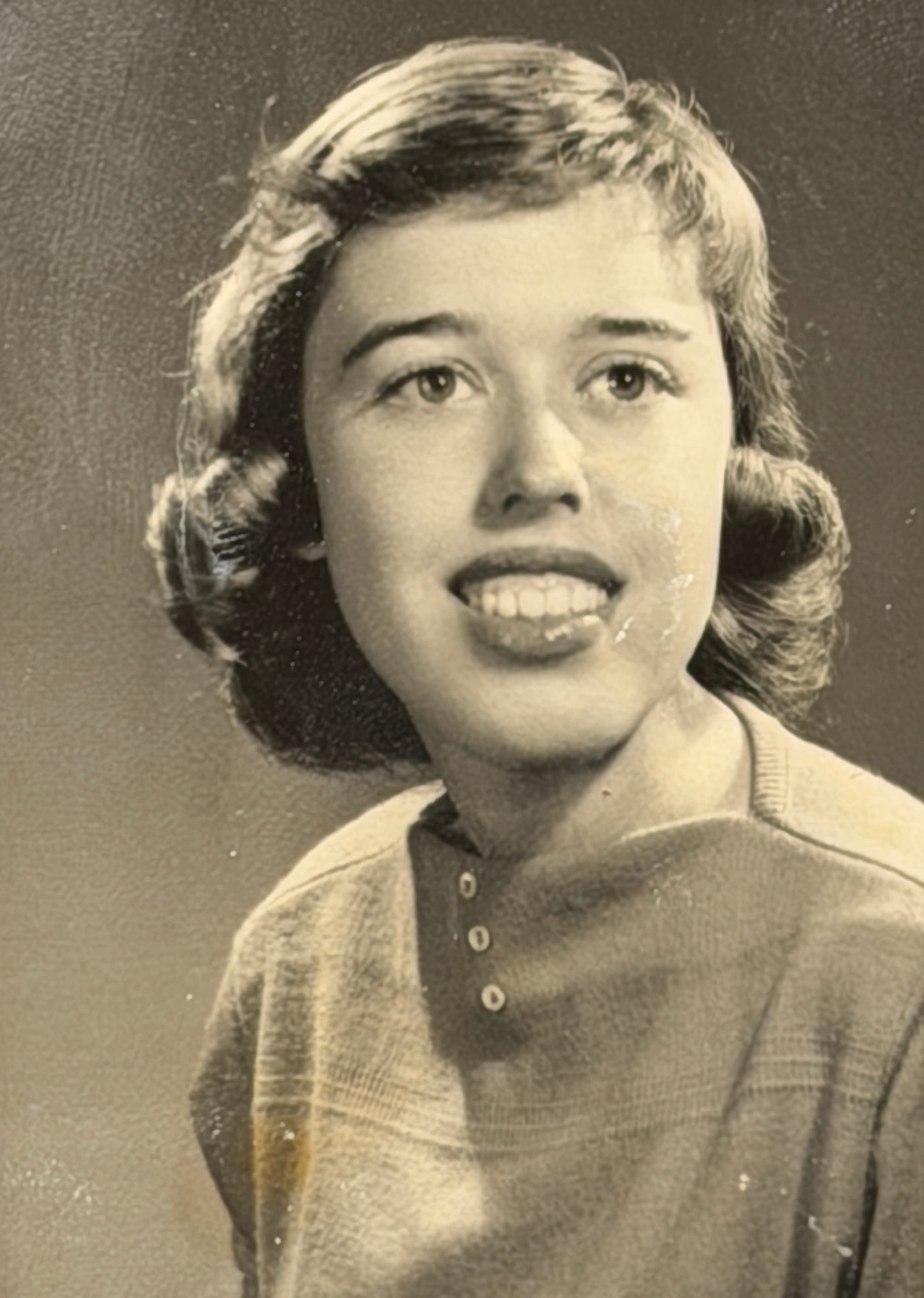
She and her friends spent days baking treats to set out, serving them with coffee in carafes they scrounged from church kitchens. “Bring your kids,” she said to mothers in the supermarket. “Tell your daddy to stop by. We’ll have freshly baked cookies!”
More than 770,000 Americans still do that job in a national election, staffing roughly 96,000 polling places across the country. Two out of three are women, and nearly six in ten are over the age of 60. In Sioux Falls, South Dakota, two friends named Donna Young and Judy Miller—who met on a camping trip decades ago and started working elections when Judy’s youngest child entered kindergarten—celebrated 80 combined years of working the polls together this Tuesday. In Cary, North Carolina, a 68-year-old retired Army veteran named Clint Banner works his local precinct because, as he put it, “I want to know there are honest brokers out there and I want to be one of them.”
There is nothing glamorous about the shifts they signed up to work. In Maryland, state law actually requires election judges to be “physically and mentally able to work at least a 15-hour day.” Most poll workers arrive before 6 a.m. and stay until the last ballot bag is sealed around 9 at night. In Greenwich, Connecticut, volunteers are told to pack both lunch and dinner, and in Ada County, Idaho, poll workers are not allowed to leave the building “for any reason” once the polls open. For a 15-hour shift, they earn anywhere from $11 an hour in Faulkner County, Arkansas, to $300 for the day across New Jersey.
In recent years, nearly a third of local election officials reported being threatened or harassed because of their jobs, and county clerks across the country had to spend their training sessions answering nervous questions about what workers should do if someone tried to disrupt their polling place. Whether the county clerk was a Republican like Kim Pytleski in Oconto County, Wisconsin, or a Democrat like Brianna Lennon in Boone County, Missouri, they gave their poll workers the same instructions: be welcoming, follow the law, and call the clerk if you need help.
A boring election is not an accident, and it was not always how America worked. In the 1800s, the political parties in places like Clark County, Ohio, printed their own ballots—often putting pictures of candidates front and center—and chose the election judges on the spot. Partisans from each side hurried to the polling place before dawn and lined up in two separate ranks to be counted, and whichever party brought the bigger crowd got to pick the judges who would run that location.
We fixed that by taking the polling place away from the party bosses and handing it to our neighbors from both parties who have to sit at the same folding table and sign off on the count together. As it turns out, sitting at that table changes people. When researchers in Maine surveyed poll workers before and after they worked recent elections, they found that volunteers walked in carrying the typical worries of their parties: Republicans worried more about voter fraud, and Democrats worried more about voter intimidation.
After one shift, both sets of fears dropped. As Linda Kruger, a 75-year-old poll worker in Juneau, Alaska, explained, “I know how much detail goes into setting up and certifying those machines.” It’s easy to distrust a system you only see on television, and almost impossible to distrust it once you’ve helped run it yourself.”
My mother-in-law’s generation has already left those folding tables behind, and we cannot expect the retirees who took their place to carry this forever on their own. Fewer than 17% of America’s poll workers are under the age of 40, and nearly half of our local election offices are already struggling to find enough people to staff their precincts.
So don’t wait to be asked. Call your county election office, take a training class, and talk a friend into working the polls with you in 2028. The next time a storm knocks out the lights two hours before the polls close, someone is going to need to hold the flashlight. And consider bringing cookies.
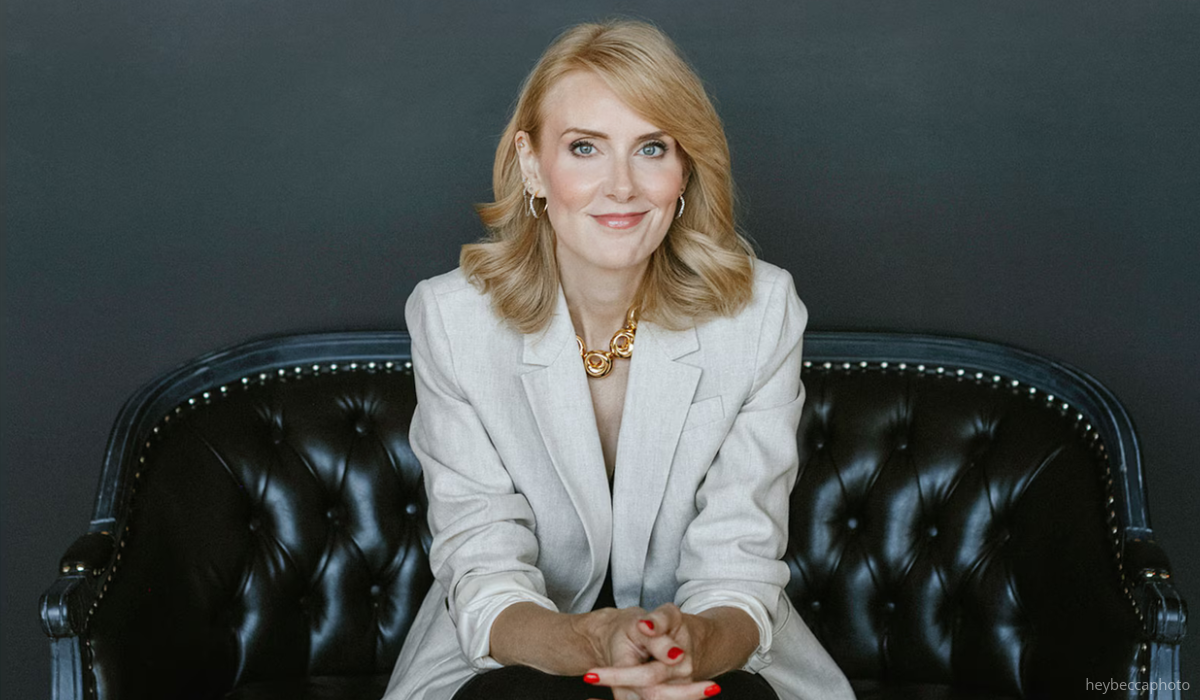
Sharon McMahon is known as “America’s Government Teacher” and author of the NYT bestseller “The Small and the Mighty,” and the recently released “We Are Mighty.”


Please note that we may receive affiliate commissions from the sales of linked products.