What Nobody Tells You About Caring for Aging Parents
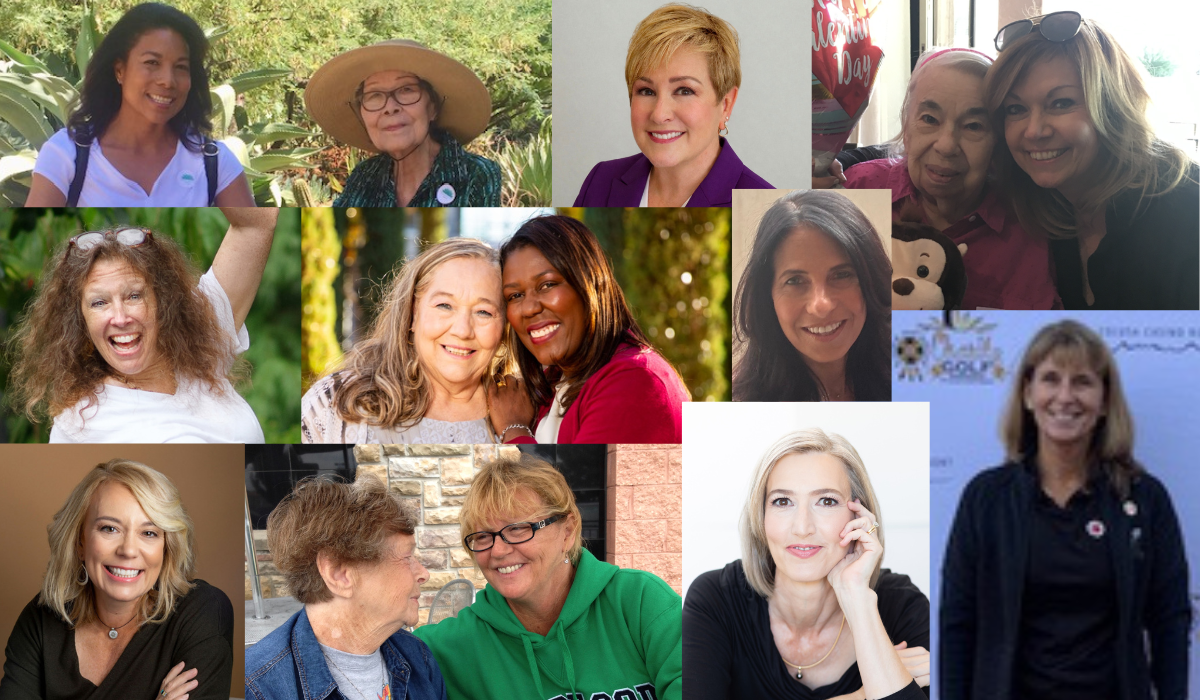
Photos courtesy of our Sunday Paper PLUS Ambassadors featured in the article. Thank you for being such an inspiration to us all.

Caregiving is a role that 59 million Americans have stepped into, according to the AARP. Yet it’s a topic too few of us talk about in honest, practical terms. For many of us, it arrives all at once. One day, you’re a daughter, a partner, a mother, a sibling. The next, you’re parenting your parent—managing medications, navigating doctors’ appointments, and making decisions you never imagined you’d face.
Caregiving can be all-consuming and utterly overwhelming. It’s a time in our lives when we need support and guidance. Enter this Sunday Paper guide, filled with tips, tricks, and advice from the ultimate caregiving experts: the people living it. We asked members of our Sunday Paper PLUS Ambassador community to share what caregiving has taught them—what helped them, what surprised them, and what they wish they had known before they found themselves in this role.
What follows is a collection of hard-won wisdom, from one caregiver to another, to help you show up for this challenging work with love, compassion, and grace.
In this guide, you’ll learn...
- How to manage the guilt and grief that so often comes with caregiving
- What to prepare now to avoid stress later
- How to care for yourself without feeling like you’re letting others down
- Ways to respond in difficult moments with more ease and grace
- The biggest mistakes caregivers make, and how to avoid them
THE TRUTHS ABOUT CAREGIVING WE DON’T TALK ABOUT ENOUGH
You may feel guilty. Cut yourself some slack.
“I wasn’t within driving distance from my mom, so it was hard to not be consumed by guilt. What I tell all caregivers now is this: You are doing the best you can. It’s so easy to fall off of the guilt cliff. After all, your parents took care of you as a child, now you feel that it is your turn. But life circumstances don’t always permit that. Above all, try to remind yourself that you are doing the best you can. Just because you can’t see them on a daily basis doesn’t mean you don’t care. Feeling racked by guilt only piles on the stress.”
—Michelle, a Sunday Paper ambassador, who took care of her mom before she passed away at age 91.
Trust your gut.
“I’ve had many reminders of the importance of trusting my gut along my mom’s dementia journey. As my mom started losing her grip on reality, I was too slow in taking action to address her decline because she fought me every step of the way. My gut said she needed care; she refused to acknowledge that she required care. Then, when I moved her to memory care, my gut told me the facility wasn’t the right place for her or us, but it took me six months to finally move her to another facility. Today, when something feels off, I address it immediately and it has really helped make my mom feel more secure and content.”
—Diana, a Sunday Paper ambassador, who has cared for her mom since she was diagnosed with dementia.
It’s important to take care of you, too.
“I’ve heard so many women say something like, ‘I was so busy taking care of others that I forgot about me.’ It’s crucial to carve out some time for you when you’re a caregiver, which can be an all-consuming role. Life can change in every way when you’re caregiving—daily living, family structure, financially, emotionally. Think of it this way: If you don’t take care of yourself, you’ll be unintentionally hurting your parents.”
—JoAnn, a Sunday Paper ambassador who has cared for her brother, father, aunt, and mother.
Just show up with as much compassion and acceptance as possible—even when it feels impossible.
“Caretaking can cause a lot of friction in a family system, as we all try to take control of something that we can't control. You will likely get overwhelmed at times. And when you do, it's important to remember that it’s okay. Just keep showing up and being as loving as you can be. Even when it's not appreciated.”
—Lisa, a Sunday Paper ambassador who took care of her mom for six years after she had a stroke.
Listen to what your parents want, but know that you may not be able to make all of their wishes happen.
“I learned that it’s so important to listen to your parents and their needs, wants, and desires. However, it’s also important to know that you may be the key decision maker now for what is in their best interest, which they may not like.”
—Lisette, a Sunday Paper ambassador who cared for her parents before they passed and is currently helping care for her partner’s 90-year-old mother.
If you’re caring for someone with Alzheimer’s, redirecting attention can be a balm for anger.
“When my mom would get frustrated or angry at something, I would say something in a very cheerful voice to re-direct her attention, like: ‘Look how cute your shoes are!’; ‘Look at how beautifully pink this flower is! Pink is one of your favorite colors!’; ‘I heard there are fresh cookies in the dining room, let's go get one!’ Never argue or try to change their mind, which will just be confusing and futile.”
—Lynne, a Sunday Paper ambassador who cared for her mom for 11 years after she was diagnosed with Alzheimer’s disease.
You’ll likely have a lot of emotions. It’s important to feel your feelings.
“Caregiving brings up a wide range of emotions—love, frustration, guilt, grief—and it's easy to judge ourselves for having those feelings. But when we can offer ourselves compassion instead of criticism, when we give ourselves the grace and space to really feel our feelings, we create space to respond thoughtfully rather than reacting. While it’s natural to look back and wish we’d done things differently, it’s important to remember we’ve been doing the best we can with what we knew at the time, and we can choose how to move forward from here.”
—Jenn, a Sunday Paper ambassador who cared for her dad who had Alzheimer’s disease.
Never forget the power of prayer.
“I spend time in the morning before the roller coaster of the day starts in prayer, gratitude, and quiet. I used to pray asking for guidance, courage, stamina, and energy. Now, I pray for acceptance of where we are with my Mom’s journey and my husband’s journey. I believe that God’s plan is being implemented. My focus is less on trying to control what is out of my hands and more on trusting the journey. I am grateful for my ever-expanding caregiving skill set. I am grateful for our time together, and that is where I’m trying to put my energy.”
—Anita, a Sunday Paper ambassador who is caring for her mother and husband.
WHAT CAREGIVERS WISH THEY’D KNOWN SOONER
Lean into whatever independence your parents still have.
“Until very recently, my mom was still ordering groceries through an app and having them delivered. Delivery day was a big event in my parents’ house. They ran their own mom-and-pop grocery store for many years, so that small act of shopping still carried real meaning. Now that my mom can’t manage this task as easily, my sister and I have access to the account and place the orders ourselves.”
—Jaclyn Levin, president of Shriver Media, who is caring for her 94-year-old dad and 91-year-old mom.
Avoid going into fix-it mode.
“One thing I learned from six years of caring for my mom is that my desire to “fix” things could ultimately be hurtful. I think our discomfort seeing our parents change can trigger impatience. We want so much for them to get better, as much for us as for them. Loving and accepting someone where they are is true compassion. If we can sit with how we feel, we can find compassion for ourselves and our sadness. This allows us to be more present and consciously kind to those who are doing the best that they can.”
—Lisa, a Sunday Paper ambassador who took care of her mom for six years after she had a stroke.
Don’t let perfect be the enemy of the good.
“If I could do it differently, I would let go of the pressure I put on myself to do everything perfectly. I was overwhelmed and moving quickly from one urgent need to the next, constantly putting out fires without ever feeling like I was getting ahead. Looking back, I wish I had given myself permission to pause, step back, and make a more intentional plan rather than trying to carry it all on my own.”
—Jenn, a Sunday Paper ambassador who cared for her dad who had Alzheimer’s disease.
Find joy in anything and everything.
“Just looking into each other's eyes, an expression, a spoken word, holding hands—hug and kiss your loved one every chance you get. You will miss them so much when they are gone.”
—Lynne, a Sunday Paper ambassador who cared for her mom for 11 years after she was diagnosed with Alzheimer’s disease.
Even the littlest acts of kindness toward yourself go a long way.
“It’s so important to be kind to yourself. Make time for self-care however it may look—walks, time in nature, a cup of coffee, a favorite snack. If possible, plan ahead and anticipate your own needs, whether it’s meal prep or support that lightens your load. I found that this can help you notice the angels around you who are cheering you on, whether it’s a loving friend or family member or polite strangers who give you a knowing look, share kind words, or help you out in public.”
—Yumiko, a Sunday Paper ambassador who cared for her mom with Alzheimer’s disease for 15 years until she passed away at age 96.
Boundaries aren’t selfish; they are life-saving.
“Caregivers can easily fall into the self-laid trap of over-giving until we start feeling annoyed and depleted. If we ignore these signals, resentment and burnout easily follow, leading to both mental and physical ailments. Does the thought of having a boundary give you anxiety? I have good news: Boundaries don’t have to be earth shattering. For a caregiver just getting started, a good boundary might look like pausing before responding. Instead of answering your loved one immediately out of obligation, practice saying, ‘Let me get back to you.’ If you feel like a pinball machine, bouncing back and forth, on-call for your loved one 24/7, try choosing one day a week to help with tasks and errands. Ultimately, good boundaries don’t feel like shutting people out, they feel like staying connected to yourself while offering care from a place of love.”
—Erin Copelan, who cared for her husband through cancer and a successful liver transplant, as well as helped two of her grandparents navigate their end-of-life care. She’s also the author of Welcome to Caregiving: The Things Caregivers Never Talk About.
Accept help. And ask for it sooner than you think you need to.
“I took on almost everything myself, and in hindsight, I wish I had leaned on my siblings more. Caregiving is too much for one person to carry alone, and people often want to help—they just don’t know how unless you tell them. If I could do things over again, I would have asked for help sooner and accepted it more easily. I took on a lot myself, and while I thought it was the right thing to do, it also made things harder than they needed to be. Looking back, caregiving isn’t something one person is meant to carry alone.”
—Phyllis, who cared for both of her parents for five years until they passed within five months of each other from cancer.
If caregiving feels hard, it’s because it is hard.
“I’ve been out of action for the past month. The reason? I've been doing what millions of people across the world do quietly, without recognition: caring for my aging parents. Navigating emergency and routine appointments for both of them simultaneously has been one of the hardest things I’ve done. And I say that as a doctor of 25 years. I still don't have the answers. Just more questions. But what I wish I'd known is that even with a medical degree, I would feel lost.”
—Suhail Hussain, MD, an experienced physician with more than 20 years of experience who is now caring for his aging parents.
Remember this adage: “Inside every old person is a young person wondering what the hell happened.”
“The loss of independence, of agency, and the role-reversal can be a bitter pill for aging parents to swallow and can manifest as unreasonable obstinacy. Be prepared to give them grace—and do a lot of deep breathing—before responding.”
—Candis Best, who is caring for her 88-year-old father and cared for her mother, who passed away two years ago after being bedridden for five years with Lewy body dementia.
PRACTICAL CAREGIVING ADVICE THAT MAKES A DIFFERENCE
Make a checklist of important documents asap.
“When my mom passed away, we had to find some important documents that we thought we had but didn’t. Make sure you have all important documents as soon as possible. Or at least know where they are, including any safe deposit keys, passwords to accounts, the list goes on. In fact, you can get a checklist from your accountant or estate attorney of all the important documents to track down, which will prevent you from having to hunt for those after your loved one has passed.”
—Michelle, a Sunday Paper ambassador, who took care of her mom before she passed away at age 91.
Be open to changing the ways you connect with your loved one.
“As my mother’s cognitive and physical abilities declined, I had to continually adapt the way we connected. Music became one of our most meaningful ways we spent time together. We would listen to music and sing together. Toward the end of my mother’s life, when she was bedridden, I would lie beside her and sing songs she loved. Those times remain some of the most treasured experiences I had with my mother.”
—Nancy L. Kriseman, MSW, who cared for her mother, who was diagnosed with Alzheimer’s disease at age 71 and lived with it for more than 16 years. She is the author of The Mindful Caregiver.
Create a binder where you keep all important care documents.
“Think of the binder as the holy grail. This is the place that you start to put every single piece of important paperwork, including things like usernames, passwords, contact information for the people attached to the companies. In my mom’s binder, I created tabs, sections, sub sections, business card holders, pocket holders for post-its, pencils, the list goes on. As Alzheimer’s disease progresses, your loved one may start to doubt the things they once knew and trusted. Creating a binder and a habit of capturing all important information there early on sets a positive tone, and becomes something your loved one can rely on and make their own.”
—Katrinka Rau Allred, who cared for her mother after she was diagnosed with Alzheimer’s and has written a book about her experience.
Get a full handle on your parents’ medications asap.
“My daughter helped me create a medication document for each of my parents that the caregivers use daily to track and sort their meds. My dad can still manage his on his own medications; my mom needs more help. We also keep that list somewhere easy to grab, because when EMS walks through the door, the first thing they need is a clear picture of what your parent is taking. Handing them that document immediately has made those moments less chaotic and more effective.”
—Jaclyn Levin, president of Shriver Media, who is caring for her 94-year-old dad and 91-year-old mom.
Get help before you think you need it.
“We waited too long before my mom went into a care facility, which caused so much stress for me and my sister and also made it harder for my mom to adjust. Once we moved her, I think I slept the best that night I had in 10 years, knowing someone was watching her every move.”
—Lynne, a Sunday Paper ambassador who cared for her mom for 11 years after she was diagnosed with Alzheimer’s disease.
Talk to your parents about digital safety.
“My mom’s 80-year-old friend almost wired $40,000 to a total stranger. Turns out the average monetary loss for someone age 60 and older in 2024 was $83,000! It’s crucial to educate the elderly about how to identify and navigate scams, especially as AI increasingly blurs the lines between what's real and what's fabricated.”
—Langley, who cares for her 80-year-old mother.
Get the passwords early.
“It sounds like a small thing, but it’s not. Not having access to accounts creates unnecessary stress at a time when you’re already overwhelmed. It’s one of the simplest ways to make things easier on you later.”
—Phyllis, who cared for both of her parents for five years until they passed within five months of each other from cancer.
Have a hospital action plan.
“The hospital staff caring for my dad was not trained or savvy in caring for memory loss or elders. We took turns spending the night and communicated on his behalf. Everything from meal orders to advocating for his level of care and comfort was on us. The wipe board in his assisted-living home and hospital room were headquarters for the shorthand we wanted him and others to know. We jotted down the critical: I have dementia. I am hard of hearing and wear hearing aids. Call me Neil.”
—Bari Leiner Grant, a certified grief coach who cared for her dad over the course of a decade after he was diagnosed with Alzheimer’s. To read more about Bari’s caregiving journey, click here.
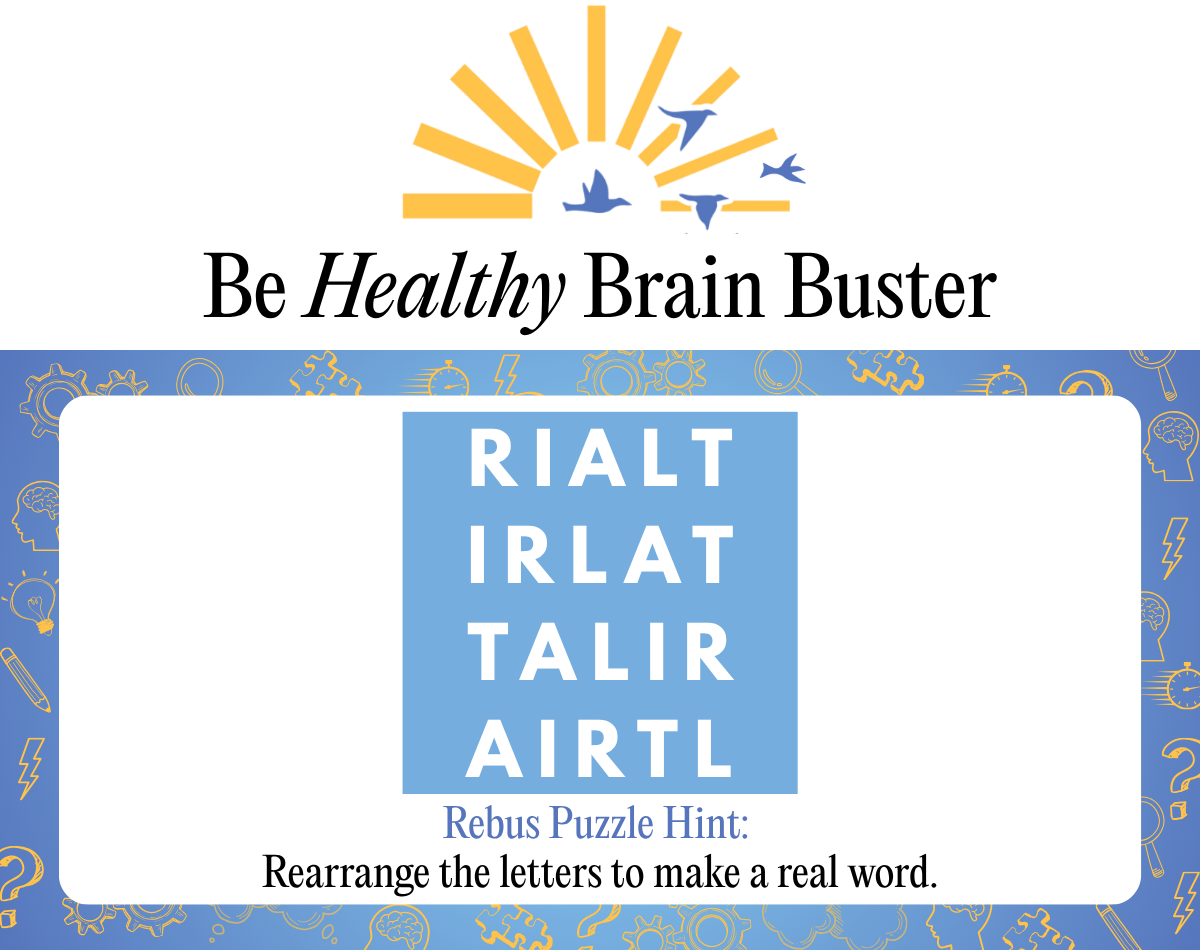
Answer
Trail Mix
Please note that we may receive affiliate commissions from the sales of linked products.