
So You Think You Know Peptides?

If you've spent any time reading about healthy aging lately, you've probably noticed one word popping up everywhere: peptides.
Proponents say they can help with everything from easing joint pain and recovering faster after workouts to losing weight, sleeping better, and even slowing the aging process.
For many of us, those promises hit right where we're looking for answers. Who wouldn't want to recover a little faster, ease chronic aches, or stay healthy for longer?
But here's where things get confusing.
The word "peptide" has become a catch-all term, including well-established medicines like insulin and GLP-1 drugs such as Ozempic to compounds that have been tested only in small studies. In some cases, they’ve barely been studied at all.
That’s especially important right now. In late July, a Food and Drug Administration (FDA) advisory committee recommended that six previously unapproved peptides move one step closer to being eligible for use in compounded prescription drugs—medications specially prepared by a pharmacist or doctor for an individual patient.
The recommendation isn't a final FDA decision, but it raises the question most of us really care about: Do these peptides actually work—and are they safe?
In this article, you’ll learn...
- Why peptides have suddenly become so popular
- What we know—and don’t know—about the safety of the peptides making headlines
- Why a compounded peptide isn’t the same as an FDA-approved drug
- What to ask before deciding whether a peptide is right for you
First, a quick primer
Peptides are small chains of building blocks called amino acids, linked together like beads on a necklace. Your body makes them naturally, and many act as messengers that help manage things like hormones, healing, and inflammation. Scientists can also make peptide-based medicines.
The tricky part is that "peptide" isn't one thing. It's a huge family of molecules that do very different jobs. That's one reason peptides have become so confusing: they're often discussed as though they're all the same.
They're not.
Saying a treatment is "a peptide" doesn’t tell you whether it's been rigorously studied, approved by the FDA, or shown to be effective. It's a little like saying something is "a medication."
Not everything made from amino acids is a peptide. Creatine, for example, is a different type of compound best known for supporting muscle strength and exercise performance, with emerging research in brain health. You can learn more in our article, So You Think You Know Creatine?
The bottom line? Whether something is called a peptide, a supplement, or anything else, the label only tells part of the story.
Why everyone's talking about peptides
Wellness clinics, medical spas, and social media influencers are enthusiastically promoting peptides. So it can feel like you’re surrounded by conversations about them.
Then there's the Ozempic effect. The huge success of GLP-1 medications has also put a new spotlight on peptides. Add in easier access through clinics and online sellers, and our growing interest in taking more control of our health, and it’s no surprise that interest has surged.
Natural doesn't always mean proven
Because peptides are naturally found in the body, it's easy to assume they're automatically safe. But "natural" doesn't necessarily mean safe—or effective.
What matters isn't whether something is natural. It's whether we have good evidence that it works and is safe. After all, plenty of “natural” substances, such as calcium, sodium—or even plain water—can be harmful depending on how they’re taken.
That's why the label alone doesn't tell you enough. Some peptides, like insulin and GLP-1 medications, have been rigorously studied and approved by the FDA. Others are still experimental, with far less evidence to support the claims being made about them.
What the evidence actually shows
That's the question FDA scientists were trying to answer when they reviewed the research on six peptides in July: BPC-157, KPV, TB-500, MOTS-c, Epitalon, and Semax.
Their conclusion wasn't that these peptides definitely don't work. It’s that we don’t know.
There still isn't enough high-quality evidence from studies in people to know whether they work—or to fully understand their risks, which could include serious immune or allergic responses.
Here’s why that matters: if we're considering trying one of these products, those are exactly the answers we'd want to have.
We may not yet know the safest dose, what the long-term effects could be, whether they might cause serious immune reactions, or how a peptide might interact with other medications or health conditions.
The takeaway: Promising research isn't the same as proven medicine.
Where your peptide comes from matters
Not all peptide products are made or sold under the same standards. Peptides purchased from unregulated online sellers may contain impurities, vary from batch to batch, or deliver inconsistent doses.
If these six peptides are eventually cleared for compounding, getting them from a regulated compounding pharmacy may give you higher confidence in their quality than buying them from an unknown online seller.
But a well-made product can still be a treatment that hasn't been proven to work.
Compounded doesn’t mean FDA-approved
FDA-approved peptide drugs, such as insulin and GLP-1 medications, have gone through an FDA review process that evaluates not only how they're manufactured, but also whether they've been shown to be safe and effective for their intended use.
Compounded medications don't go through that same approval process.
Even if a peptide can legally be compounded by a pharmacy, that doesn't mean the FDA has determined that the peptide itself is safe or effective.
Should you try a peptide?
If you’re curious about a peptide, start with a few basic questions:
- What exactly am I being offered?
- What is it supposed to do?
- Is it FDA-approved, compounded, or unapproved?
- What studies in people show that it works?
- Where is the product coming from?
Be especially wary of claims that sound too good to be true, particularly when they’re coming from someone who is selling or promoting the product. And (of course!) always talk to a healthcare professional who knows your health history and medications before trying something new.
Peptide research gives us a lot to be excited about. We’re learning more about peptides all the time, and some have already changed the way we treat chronic diseases like diabetes that affect millions of people. Others may eventually prove just as valuable.
Until then, popularity and promise aren't the same as proof.
To feel better, stay active, and stay healthy for as long as possible, make sure treatments are backed by good evidence, not just good marketing.
We want to hear from you: Have you considered or tried peptides? What questions or concerns do you have? Share your perspective in the comments below.
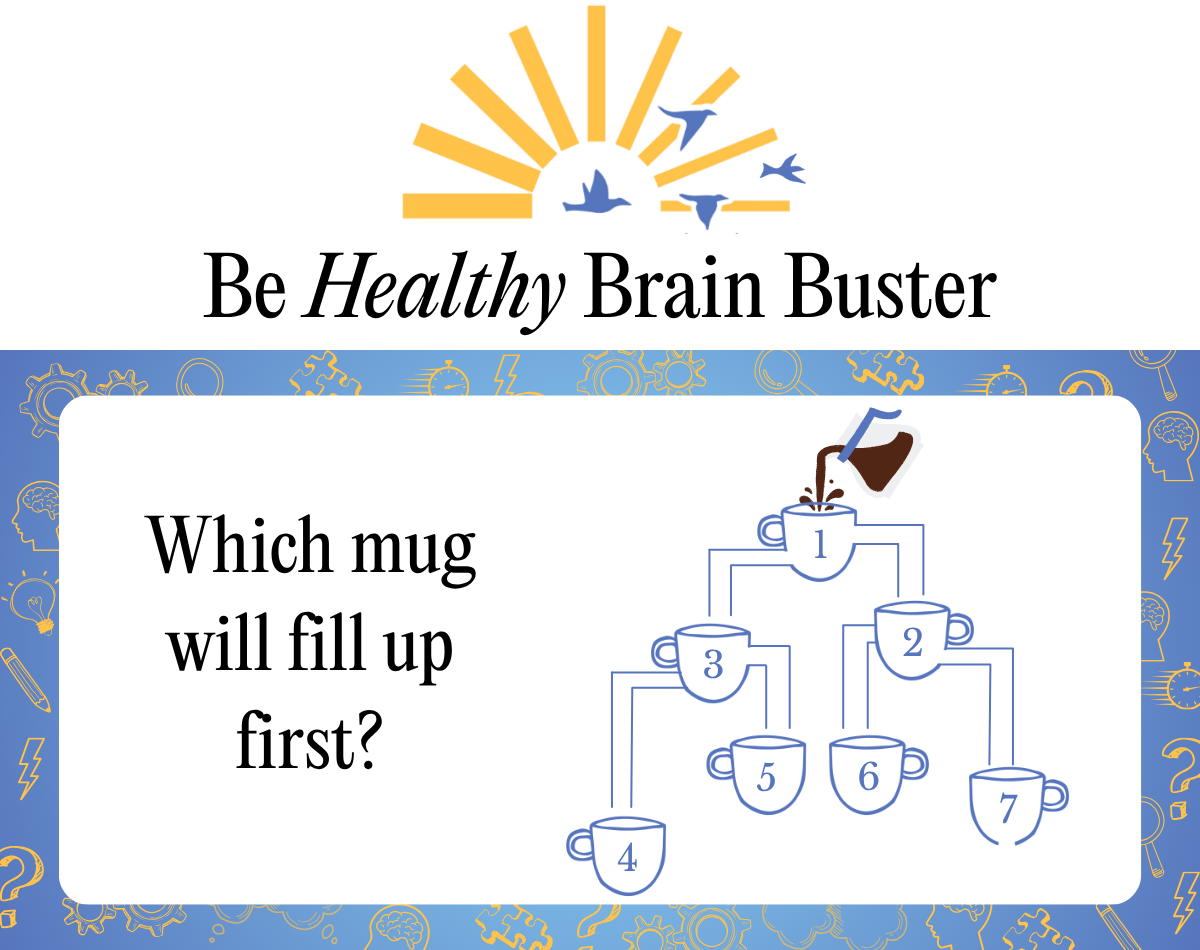
Answer
Cup 3 will fill first
Please note that we may receive affiliate commissions from the sales of linked products.