Why is Everybody Talking About Losing Their Hair?

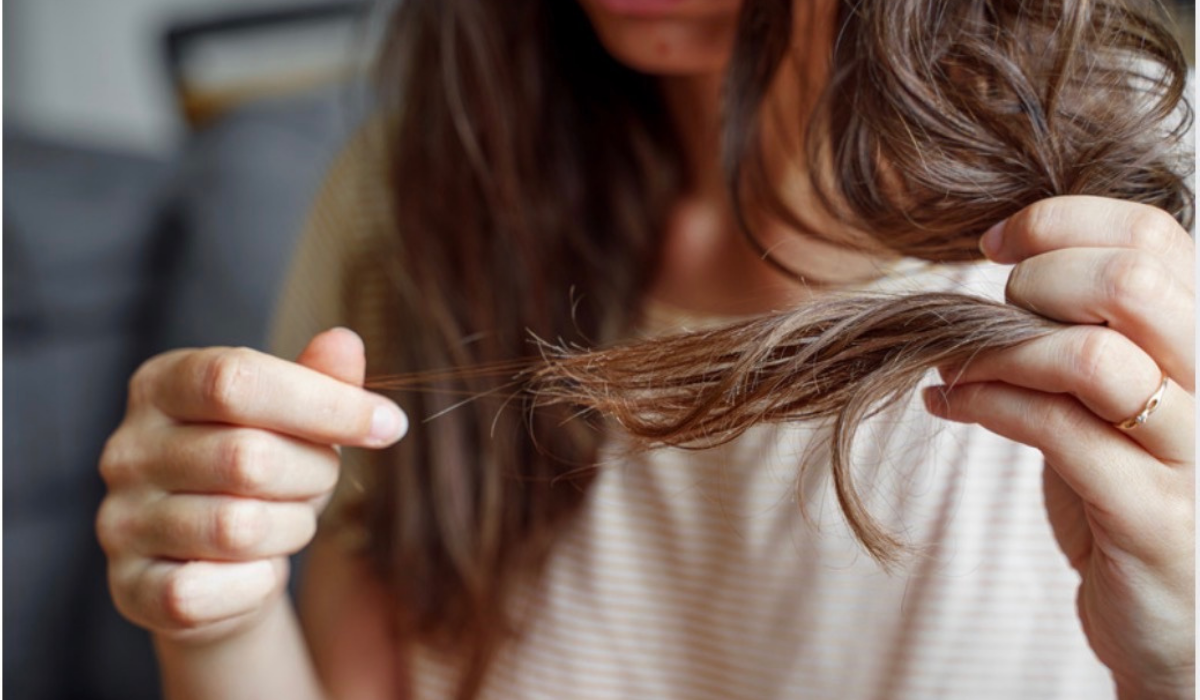
A brush full of strands. Hair collecting around the shower drain. A ponytail that feels thinner than it used to.
For many people, that’s how hair thinning begins.
If it seems like hair loss is suddenly everywhere—in conversations, headlines, and social media—you aren't imagining it.
What’s behind the growing conversation about hair loss?
Researchers understand far more about why hair thins than they once did, treatment options have improved, and people are speaking more openly about hair loss than ever before.
To better understand what's happening—and what can be done about it—The Sunday Paper spoke with Rodney Sinclair, MD, an internationally recognized dermatologist and hair-loss researcher who has spent more than 30 years studying the science of hair growth and advancing treatments for hair loss.
In this article, you’ll learn...
- Why it suddenly seems like everybody is talking about hair loss
- What's normal hair shedding—and when it's a sign to pay attention
- Why hair thins as we age and what happens inside your hair follicles
- Whether stress, weight loss, and GLP-1s really cause hair loss
- Which treatments can help today—and why researchers are optimistic about what's next
Are We Really Losing More Hair—or Just Talking About It More?
According to Dr. Sinclair, the answer is both.
One reason is simple: we’re living longer. As life expectancy increases, more people reach the ages when hair thinning and hair loss become increasingly common.
The other reason is cultural: attitudes toward hair loss are changing.
For many men, there was once an element of "male bravado"—the idea that acknowledging hair loss or seeking treatment signaled vanity or weakness. Dr. Sinclair believes those attitudes have shifted, making men more comfortable talking about hair loss and exploring treatment options.
For women, the experience was different. Dr. Sinclair talks about social pressure and the expectation that thinning hair should simply be hidden rather than discussed. He recalls conversations with hairdressers who told him they spent much of their workweek styling the hair of women in their 70s and 80s to disguise thinning—without ever mentioning hair loss to their clients.
“The hairdressers knew that it was absolutely taboo to tell them that they were going bald,” he says.
Dr. Sinclair believes that silence is beginning to lift, making it easier for women to seek information and treatment.
When We Say ‘Hair Loss,’ What Are We Talking About?
Hair follicles are tiny structures beneath the skin that continuously produce, shed, and replace each strand of hair.
In other words, healthy hair is constantly renewing itself.
Here's where things get interesting: Instead of dying, most hair follicles gradually shrink over time—a process known as miniaturization.
The result? Hair doesn't disappear overnight—it gradually becomes finer, making the scalp more visible.
As that happens, "long, thick, pigmented hairs get replaced over many years by short, thin, non-pigmented hairs that are slow growing," says Dr. Sinclair.
That's also why many treatments can work. Rather than creating brand-new hair follicles, they're designed to help existing follicles produce thicker, healthier hairs.
The Most Common Type of Hair Loss
Age- and genetics-related hair thinning, known medically as androgenetic alopecia, accounts for the vast majority of hair loss, says Dr. Sinclair.
Nearly everyone experiences some degree of hair loss if they live long enough. "There's not a single 80-year-old on the planet who has hair like an 18-year-old," he says.
That doesn't mean everyone experiences hair loss the same way. The age at which it begins, the pattern it follows, and the rate at which it progresses can vary widely from person to person.
That's why two people the same age can have very different patterns of hair thinning.
Hair Loss Isn't Always About Aging
While a range of medical conditions can contribute to hair loss, Dr. Sinclair says the overwhelming majority of cases are simply age- and genetics-related thinning. Certain medications, autoimmune diseases, and other medical conditions can play a role—but they're far less common.
Dr. Sinclair puts it in distinctly Australian terms. Compared with age- and genetics-related hair thinning, he says, the other causes are "small bickies"—Australian slang for "small potatoes."
That’s reassuring, but it’s not a reason to ignore noticeable changes.
The takeaway? Most hair loss isn't caused by a serious medical condition. But if you notice a significant change in shedding or thinning, it's worth bringing it up with a dermatologist rather than simply assuming it's part of aging.
Is It Hair Loss—or Just Normal Shedding?
Daily hair loss is normal. In fact, it may be happening more often than you realize. Dr. Sinclair notes that a typical person has approximately 100,000 hair follicles on their head. Because each follicle follows its own growth cycle, it's normal to lose about 100 hairs a day.
Certain physical stressors—including surgery, serious illness, pregnancy, rapid weight loss, and even some medications—can temporarily disrupt that normal, random cycle and cause many follicles to enter the resting phase at the same time, a process called telogen effluvium.
To understand why, Dr. Sinclair points to an unlikely example: grizzly bears. Once they begin hibernating and stop eating, their bodies conserve energy by switching off hair growth. When spring arrives and the bear begins eating again, new hairs start to grow, pushing out the old winter coat all at once.
Something similar can happen in people. After a major physical stressor, many hair follicles temporarily "sync up." A few months later, as growth resumes, those older hairs are shed around the same time—making it seem as though you're suddenly losing far more hair than usual.
That helps explain why hair loss often seems to appear out of nowhere months after surgery or illness.
This type of shedding is usually temporary. Once the underlying trigger has passed, the hair growth cycle typically returns to normal, and new hair begins to grow.
What Happens to Hair When You Take a GLP-1?
The bear analogy becomes useful again here. As your appetite decreases after starting a GLP-1 medication, your body may respond much like a bear entering hibernation—conserving energy by temporarily slowing hair growth. That shift can cause more hair follicles to enter the resting phase at the same time, leading to a noticeable increase in shedding a few months later.
Not everyone taking a GLP-1 will experience this, but for those who do, Dr. Sinclair says nutrition matters. Because hair growth requires energy, maintaining adequate protein intake may help support healthy hair growth during periods of weight loss.
He also encourages gradual weight loss whenever possible, since rapid weight loss is more likely to trigger temporary hair shedding.
Does Emotional Stress Actually Cause Hair Loss?
Most of us have probably blamed stress after spotting extra hair in the shower drain or our hairbrush.
The answer is a little more nuanced than you might expect.
While emotional stress is widely believed to trigger hair loss, Dr. Sinclair says the evidence linking the two is surprisingly weak. By contrast, surgery, severe illness, rapid weight loss, and some medications are all well-established triggers for temporary hair shedding—often beginning several months after the event itself.
That distinction matters because many people assume stress is the culprit when another underlying cause may be responsible. If you're experiencing noticeable hair loss, Dr. Sinclair says it's worth considering the bigger picture rather than automatically blaming emotional stress.
When Should You See a Dermatologist?
Instead of obsessively counting hairs in your brush, look for changes from your own baseline. Maybe you're seeing more hair on your clothes, in your brush, or circling the shower drain than you usually do.
For people with longer hair, your ponytail can offer another clue. You may notice it feels thinner at the base, requiring an extra wrap of your elastic, or that it tapers more noticeably toward the ends because hairs are shedding before they've had time to grow as long.
"You can't go bald without first losing your hair," says Dr. Sinclair. It sounds obvious, but increased shedding is often one of the earliest signs that something has changed. In many cases, people notice more hair falling out two to five years before visible thinning develops.
That's why Dr. Sinclair encourages people not to ignore a noticeable increase in shedding. The time to intervene, "is when you notice that there's been a change in the amount of hair that you're shedding on a daily basis," he says.
An early evaluation can help identify the underlying cause and, if treatment is appropriate, offer the best chance of slowing or preventing further hair loss. As Dr. Sinclair puts it, "It's actually easier to prevent baldness than it is to reverse it."
What Can You Do About Hair Loss?
Hair-loss treatment has come a long way. Today's therapies can't create brand-new follicles, but they often can help existing follicles produce thicker, healthier hairs and slow—or even reverse—the shrinking process behind common age-related hair loss.
For many people, treatment begins with topical minoxidil. But that’s not the only option. Depending on the cause, prescription oral medications that block hormones may also help. Dr. Sinclair has pioneered the off-label use of low-dose oral minoxidil, which offers another option for some people—particularly those who don't respond well to the topical form.
Treatment isn’t just about medication. Because hair growth takes energy, the basics still matter. Eating enough protein, along with nutrients such as iron, zinc, and key vitamins, helps provide the building blocks for healthy hair. Lifestyle habits—including getting enough sleep, avoiding smoking, and maintaining overall good health—also support healthy hair growth.
Looking ahead, even more promising treatments are on the horizon. Dr. Sinclair points to topical androgen receptor blockers and experimental monoclonal antibody therapies that may one day offer longer-lasting results with fewer treatments. He's especially excited by ongoing work on sublingual (under-the-tongue) minoxidil, which he says could deliver the same hair-growth benefits with fewer systemic side effects.
For Dr. Sinclair, that's the biggest reason for optimism: we've never understood hair loss better than we do today.
Answer
An hourglass, it contains thousands of grains of sand.
Please note that we may receive affiliate commissions from the sales of linked products.