10 Habits for Aging Well, Starting Today

The Woman Who Redefined Aging
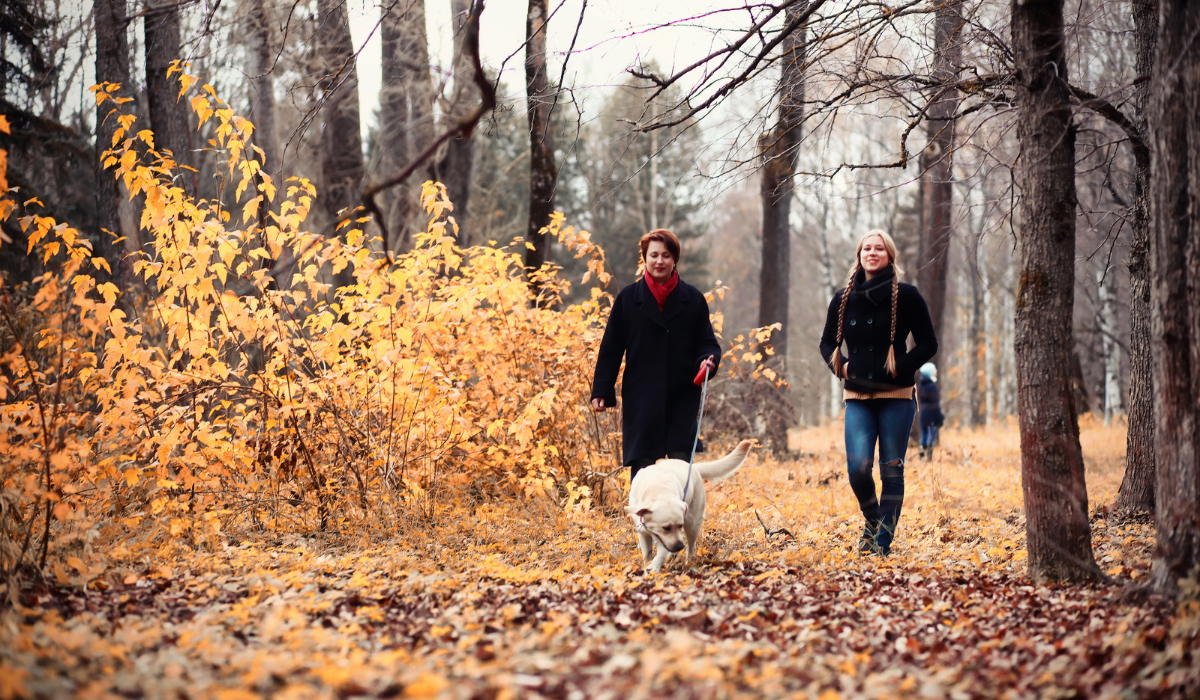
I had a patient in Rifle, Colorado, who was a rancher well into her 70s. She would go out by herself and dig post holes, hard, physical work that many people half her age would struggle with. I always loved talking to her. She had a spark, a deep-rooted strength, and a sense of purpose that made me certain she would live to be 100.
She never once complained about getting older. She had no interest in slowing down. Her mindset, habits, and way of living made aging look not just possible, but powerful.
I think about those post holes a lot. A fence is only as strong as its posts, and a post only holds if someone sets it deep, long before the wind comes. You can’t see that work once the fence is up. But every storm tests it.
Over the years, as a physician, I have seen the full spectrum of aging. Some patients in their 50s already felt fragile and exhausted, while others, like my rancher patient, continued to thrive well into their later years. What set them apart?
Genes and luck play a real part, and I won’t pretend otherwise. In January 2026, a team of scientists published a study about how much of lifespan runs in families. They used records of twins and math that set aside deaths from outside causes, like accidents and infections. Their estimate was that genes explain about half of the differences in how long people live when it comes to aging itself. That is much higher than the 2018 estimate of “well below 10%” from an earlier team that studied family trees, and scientists are still debating it.
But half is not all. And a separate team of researchers looked at a different question: what happens when people stack healthy habits? Among more than 78,000 women and 44,000 men in two long-running U.S. health studies, followed for decades, 50-year-olds who had all five low-risk habits they measured were projected to live 14.0 more years (women) and 12.2 more years (men) than 50-year-olds with none.
The five low-risk habits were: never smoking, a healthy weight, at least 30 minutes a day of moderate to vigorous activity, a healthy diet, and moderate alcohol use.
That tells me the posts we set matter. So genes are the ground you were given. Habits are the posts you set in it. Here are the ten posts I have seen in my most vibrant, thriving patients.
1. They See Aging as a Privilege, Not a Curse
Those who age well do not fear getting older, they embrace it. They see each year as an opportunity for growth, wisdom, and deeper relationships. Instead of clinging to youth, they celebrate the experiences and lessons they have accumulated. This mindset shift changes more than most people expect.
Here is the research that surprised me most.
In 1975, researchers asked 660 adults from one small town, all 50 or older, five simple questions about their own aging. The questions included “Things keep getting worse as I get older” and “As you get older, you are less useful.” Each person got a score from 0 to 5. Each answer that showed a hopeful view of aging added a point, so 5 was the most positive score.
Then the researchers waited. They split people into two groups: those who scored above the group’s average (about 3.7) and those who scored below it. They followed everyone for up to 23 years, until 1998, using the national death records.
For the group with the more positive view, the point when half of them had died came 22.6 years after the survey. For the group with the more negative view, that point came at 15 years. That’s a gap of about seven and a half years, long enough to watch a grandchild go from kindergarten to middle school. The link between a hopeful view of aging and a longer life held up even after the researchers took into account age, sex, education, kind of work, loneliness, and physical ability.
Why would a few answers on a survey matter that much? The same researchers found that a stronger “will to live” explained part of that link. Here is an everyday way to see it. If you believe your knee pain is “just old age,” you skip the walk and stop calling the physical therapist. If you believe it can get better, you keep moving. Beliefs shape choices, and choices pile up over 20 years.
Why it matters for your day: How you think about your next birthday is a post you can set this morning, and it costs nothing.
Action step: Instead of dreading birthdays, start seeing them as milestones of mastery. Reflect on what you have learned and gained each year.
2. They Move Daily, With Purpose
My rancher patient did not go to the gym, but she was moving every day, working, walking, lifting, and staying strong. Those who age well do not see movement as an optional activity; they make it part of their daily life.
Action step: Find movement that feels good, not just something you think you should do. The goal is consistency, not perfection.
3. They Prioritize Muscle Over Weight
One of the biggest mistakes I see is people focusing on the scale instead of muscle. Muscle is essential for strength, mobility, and resilience as you age, and it helps your body handle blood sugar. Those who age well strength train, even if it is just bodyweight exercises. A review of 16 studies found that muscle-strengthening activity was linked to a 10% to 17% lower risk of death and major diseases, and the biggest benefit showed up at just 30 to 60 minutes a week.
Action step: If you are not already, start including resistance training. Even knee push-ups and air squats count.
4. They Eat for Longevity, Not Just Short-Term Goals
The best agers focus on nourishment, not dieting. They eat plenty of fiber, whole plant foods, and fats from whole foods like nuts, seeds, and avocados. They get enough protein to help keep their muscles, and much of it can come from beans, lentils, tofu, nuts, and seeds. They drink plenty of water and avoid overly processed foods. They are not obsessing over every calorie, they are fueling their future.
Action step: Focus on adding more whole, nutrient-dense foods instead of fixating on cutting things out.
5. They Protect Their Brain Like Their Life Depends on It
Memory loss and serious cognitive decline are not a guaranteed part of getting older. A 2024 report from a group of world dementia experts estimated that about 45% of dementia cases could, in theory, be prevented or delayed by dealing with 14 risk factors. These include things like inactivity, high blood pressure, hearing loss, and social isolation. Those who age well actively challenge their brains, learning new skills, engaging in deep conversations, and staying socially connected. They also prioritize sleep, manage stress, and eat in a way that is good for the whole body, which is good for the brain too.
One brain study just reached the 20-year mark.
In 1998, a research team started a study with 2,802 adults aged 65 and older who didn’t have serious memory or thinking problems. Each person was assigned by chance, like a coin flip, to one of four groups. One group trained memory, one trained reasoning, one trained “speed,” and one got no training.
Speed training was a computer game. People had to spot things on a screen faster and faster, often while keeping track of something else at the same time. Each training group got up to ten sessions of 60 to 75 minutes over about six weeks. Some people were then chosen by chance to get short “booster” sessions about one year and three years later.
In February 2026, researchers matched people from the study to their Medicare records through 2019, about 20 years after the training. They counted who had been diagnosed with dementia. Among people who did speed training plus boosters, 105 out of 264 were diagnosed, about 4 in 10. Among people who got no training, 239 out of 491 were diagnosed, about 5 in 10.
The researchers then took into account how long each person was followed and other differences between people. After that, the boosted speed group’s rate of dementia diagnosis was 25% lower than the no-training group’s.
The other results matter just as much. Speed training without boosters showed no clear benefit. Neither did memory or reasoning training. What does that speed game actually train? Think about driving at dusk in ranch country. You have to read a road sign and also catch the deer stepping out at the edge of your headlights. That kind of quick, split attention is a skill, and the speed group that came back for booster sessions is the one that showed the benefit.
Why it matters for your day:
This is one study, and it can’t promise that any brain app will prevent dementia. But it suggests that the kind of challenge matters, and so does coming back to it. A post set once and never checked can loosen.
Action step: Learn something new, a language, an instrument, or even a new recipe. Pick something that pushes you a little, and come back to it again and again. Challenging your brain, and sticking with it, is one of the habits linked to staying sharp.
6. They Have a Purpose That Gets Them Out of Bed
Retirement is not an excuse to stop living. The most vibrant older adults have something that fuels them, a mission, a hobby, or a way they contribute to the world. They do not just sit around waiting for time to pass.
Action step: Ask yourself what excites you and what makes you feel alive. If you do not know, it is time to explore.
7. They Master Their Stress Response
Chronic stress is linked to faster aging, even inside our cells. In one small 2004 study of 58 mothers, the most stressed women had shorter telomeres, the protective caps on the ends of our DNA, by an amount the researchers roughly estimated as 9 to 17 extra years of cell aging. The healthiest people do not just manage stress, they master their response to it. Whether through mindfulness, meditation, prayer, or deep breathing, they have developed a way to stay calm and centered.
Action step: Build a five-minute stress-relief habit into your daily routine. Deep breathing, a short walk, or a gratitude practice can calm your body’s stress response. In a 2023 study, just five minutes a day of cyclic sighing (two breaths in, then one long breath out) for a month lifted people’s mood more than mindfulness meditation did.
8. They Nurture Relationships Like Their Health Depends on It
Because it does. Weak social ties carry a risk to life on the same scale as smoking. A review of 148 studies with more than 300,000 people found that those with stronger social relationships had 50% higher odds of surviving the study period than those with weaker ones. On June 30, 2025, an international health commission estimated that loneliness touches about 1 in 6 people worldwide and is linked to more than 871,000 deaths a year, about 100 every hour. The people who age well are deeply connected, to friends, family, and community. They prioritize relationships and make time for them.
Action step: Schedule a phone call, coffee date, or even a walk with someone you care about. Connection is a form of medicine.
9. They Take Sleep Seriously
Sleep is not a luxury, it is foundational to aging well. Those who thrive in later years protect their sleep by keeping a steady schedule, maintaining a nighttime routine, dimming the lights and putting screens away before bed, and prioritizing deep, restful sleep.
The surprise here is that timing may matter as much as hours.
Researchers have a measure called the Sleep Regularity Index. It checks whether you’re asleep or awake at the same moments 24 hours apart, around the clock, so naps and middle-of-the-night wake-ups count too. A score of 100 means your whole pattern of sleeping and waking repeats exactly from one day to the next. Higher is more regular.
A team of researchers used data from 60,977 adults in a large British health study. Their average age was 62.8, and 55% were women. Each person wore a wrist tracker for a week, which recorded when they slept. The team then followed them for about six years, and 1,859 people died during that time. The team sorted people into five equal groups, from least regular to most regular sleepers. They also took into account age, sex, exercise, income, smoking, shift work, and other differences.
The least regular sleepers had scores around 65. The most regular sleepers had scores around 90. The most regular group had a 30% lower risk of dying during the study than the least regular group. When the team compared the two measures directly, sleep regularity predicted risk of death better than how many hours people slept.
Why would a steady schedule matter so much? Your body runs on an inner clock, and many systems, from hormones to digestion, follow it. Think of a ranch where the cattle are fed at the same time every morning. The herd learns the rhythm and is waiting at the gate. Feed them at 5 one day and 10 the next, and the whole day gets out of whack. Your body works the same way.
Why it matters for your day: a steady bedtime and wake time may be one of the easiest posts to set, and it doesn’t cost a thing. And skip the special glasses. A 2023 review of 17 trials found that it is still unclear whether blue-light-blocking glasses help sleep at all. Dimming the lights and setting the phone down is the simpler move.
Action step: Pick a wake-up time you can keep, even on weekends, and set a wind-down routine. Dim the lights, avoid screens, and create a sleep sanctuary.
10. They Stay Curious and Open-Minded
The best agers never stop growing. They remain open to new ideas, challenge their own beliefs, and stay flexible in how they approach life. They do not get stuck in rigid thinking, they evolve.
Action step: Approach something today with curiosity instead of judgment. Read a new book, listen to a different perspective, or try a new experience.
Aging Is Not Something That Happens to You—It Is Something You Create
You have more control over how you age than you think. You can’t choose the ground you were given, but the habits you build now shape how you will feel, move, and thrive in the years ahead.
My rancher patient didn’t set her fence in a day. She set it one post at a time, deep enough to hold. That is what mastery looks like.
Aging is not about decline. It is about mastery.
So the question is not how to stop aging.
The question is:
How can you age powerfully, vibrantly, and with purpose?
The answer starts today, with one post.
What is yours?
This article was originally published in The Habit Healers.
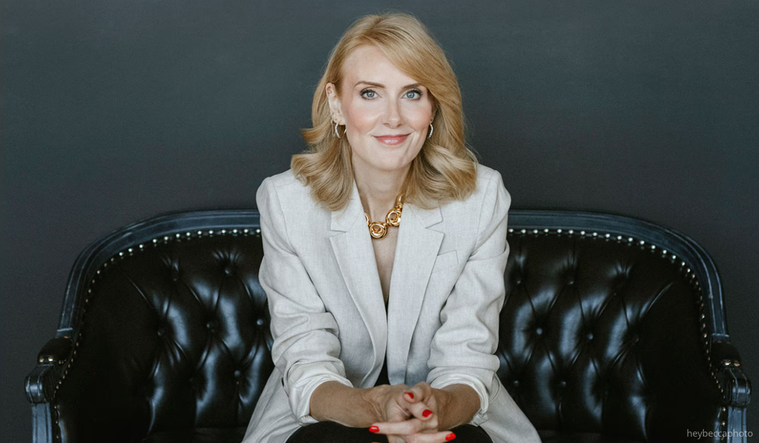
Laurie Marbas, MD, MBA is a double board-certified family and lifestyle medicine physician, U.S. Air Force veteran, author, and speaker. Through her Habit Healers Substack publication and podcast she translates science into usable habits.
Please note that we may receive affiliate commissions from the sales of linked products.