After a Dementia Diagnosis, What Comes Next?

Earlier this year, longtime ABC7 anchor Bill Ritter announced that he had been diagnosed with early-stage Alzheimer’s disease and was stepping away from the anchor desk. His openness brought into public view a question millions of families face privately: After a dementia diagnosis, what comes next?
A diagnosis can bring fear and grief, but it can also bring a flood of practical questions. What decisions need to be made now? How can someone maintain as much independence as possible? How should families prepare for changes ahead without losing sight of the person they love?
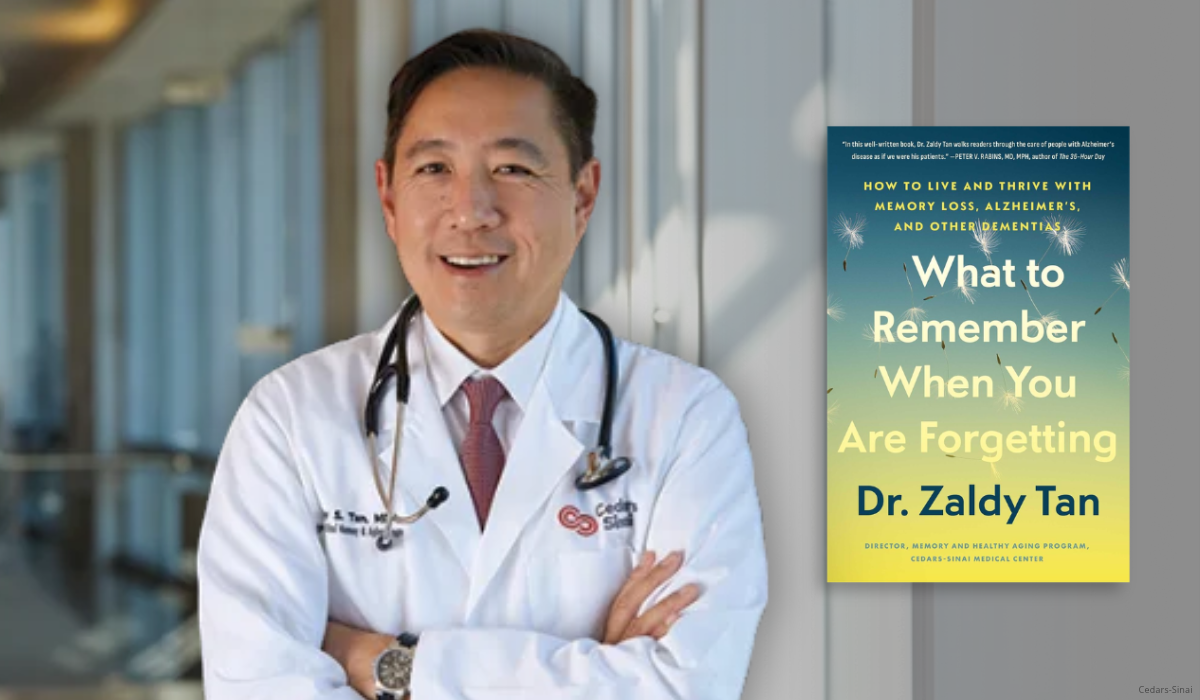
For National Family Caregivers Month, we spoke with Zaldy Tan, MD, author of What to Remember When You Are Forgetting. He shared what people with dementia and their families should consider after a diagnosis, from treatment and future planning to caregiving, autonomy, and meaningful connection.
A CONVERSATION WITH ZALDY TAN, MD
Why does receiving a diagnosis early matter?
Many people come to us in the later stages of the disease because they ignored the early signs or chalked them up to aging or other factors. By then, several windows have closed. When someone comes to me in the moderate stages, I can no longer prescribe potentially beneficial disease-modifying therapy. The window for meaningful conversations with loved ones about wishes, priorities, and hopes for the future may also have closed.
What decisions should people make early, while they can still participate fully?
The most important decision is who will make decisions for you when, not if, the time comes that you can no longer make complex decisions for yourself. Those decisions include where you would live if you could no longer live independently, given your finances, family situation, and location. They include how aggressive you want medical care to be in the late stages of dementia. Would you want to go to the ICU or have an operation? That is an individual choice, and you need to communicate it to the person who may someday make those decisions for you.
Do not assume your husband, wife, or children already know what you would want. If you have never had those conversations, they may not know. Your wishes need to be explicit, not implicit. Making these decisions while you are still able can also spare the people you love from having to make them for you later, along with the guilt and uncertainty of wondering whether they chose what you would have wanted.
It can also help prevent conflicts among family members over your care, finances, living arrangements, or other decisions. Even if these conversations cause some hurt feelings now, that is better than leaving loved ones to face prolonged disagreements or legal challenges later.
How can families balance safety with the person’s independence and dignity?
Just because you have dementia doesn’t mean you are no longer entitled to make slightly poor decisions. That may mean having an extra scoop of ice cream, going out with friends your children don’t approve of, or dating someone. As long as the person is not being taken advantage of, the choice is consistent with who they have always been, and it is not causing harm, families should allow them to live as they choose and preserve their autonomy as much as possible.
Who may benefit from the new Alzheimer’s tests and treatments, and what should families understand about their limits?
The key phrase is disease modification. Alzheimer’s disease accounts for roughly 70 percent of dementias. If it is detected and treated early enough, evidence shows that we can slow the disease. Will treatment stop it? No. Will it reverse it? No. But it can slow it down.
Women frequently become the default caregivers for parents, spouses, and in-laws with memory issues. What do you want them to know about caregiving?
There may be one primary caregiver, but that person should not assume every responsibility because it’s unsustainable. It may feel manageable while the disease is mild, but when doctor’s appointments become more frequent or behaviors become more challenging, they will need help.
Build a caregiving network early. Ask children and other family members when they are available and how they can help. Hold a family meeting, and consider telling trusted neighbors about the diagnosis so they can alert you if they see something concerning. Make sure someone can step in if something happens to the primary caregiver.
What does meaningful connection look like as language and memory become less reliable?
First of all, expectations are important. It’s common for a person to become less connected to the immediate past before the distant past. A person may not recognize a middle-aged son or daughter because that adult no longer looks like the younger image stored in memory. Alzheimer’s does not discriminate based on who matters most.
Meaningful connection is all about focusing on the present. A person may enjoy a birthday celebration but not remember it later. The fact that they may not remember does not take away the joy they experienced at the time. Enjoying the present becomes especially important.
What’s the most important thing you hope people will take from your book?
I hope they walk away saying, “I cannot stop this condition or change what has happened, but there are many things I can do to make the future better.” Doing nothing can leave the people you love unprepared for the storm that is coming. You cannot stop the storm, but you can prepare for it and make sure your foundation is strong. You can anticipate what may happen and explain your preferences: “If this happens, this is what I want.”
About the Expert
Dr. Tan is the director of the Memory and Healthy Aging Program at Cedars-Sinai Medical Center and a Professor of Medicine at UCLA and director of the Jona Goldrich Center for Alzheimer’s and Memory Disorders. He is a leading memory and geriatric medicine specialist and author of the recently released book, What to Remember When You Are Forgetting: How to Live and Thrive with Memory Loss, Alzheimer’s, and Other Dementias.
Looking for more guidance? The Women’s Alzheimer’s Movement at Cleveland Clinic created 10 Things Every Family Should Do on Receiving a Diagnosis of Dementia, a practical roadmap for finding support, planning for future care, and continuing to live a safe and meaningful life.

Please note that we may receive affiliate commissions from the sales of linked products.