Death Is Having a Moment

Grief counselor Zeena Regis says she has one rule for her own death: If her husband turns on the news while she is dying, she plans to haunt him.
As part of her role as hospice chaplain and bereavement coordinator, Regis has spent years helping patients direct their end-of-life care. Some want quiet. Some want a packed room filled with music. Regis’ role at Compassion & Choices is to give people the transition they want, as much as possible.
And that starts with an open discussion about dying, something that’s far more common today than just a decade ago, experts say. One 2024 survey found that 90% of people believe talking about death and dying is healthy and normal.
“I think having the conversation in a communal way is so powerful because—in many ways—our culture has really made end-of-life planning really solitary and isolated," says Regis, who is based in Atlanta.
For generations, many families avoided talking about death until a medical crisis forced the conversation. Today, death doulas, death cafés and hospice professionals are encouraging people to discuss the inevitable long before it arrives, and the demand is growing. The number of registered death doulas rose from 260 to 1,600 in just five years, and there are more than 12,000 Death Cafes—which organize discussions around death—in the U.S. alone.
A death doula was even featured on this season of “The Pitt,” as someone who helped support a terminal cancer patient by helping her keep boundaries, obtaining supportive equipment and offering emotional support. People say the invitation to talk about their experiences with death helps them think intentionally about their hopes and fears. They say the conversations also help them better support others facing the end of life.
More Discussion Leads to Less Distress
Dr. Christopher Kerr, a palliative care expert who has worked in hospice for more than 20 years, has watched that shift from inside the health care system. The author of Death Is But A Dream: Finding Hope and Meaning at Life’s End, specializes in end-of-life visions, and is studying how meaningful discussions about death contribute to less distress.
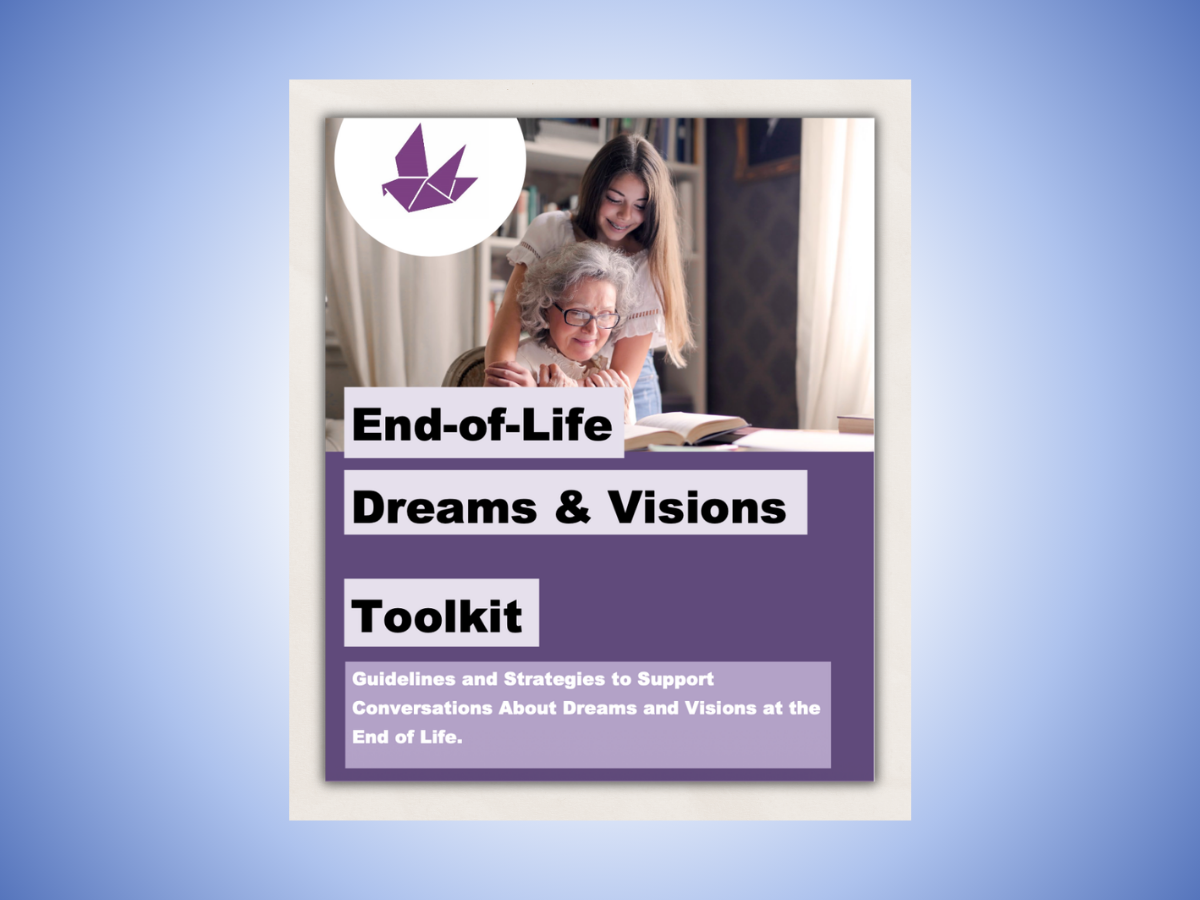
He recently released a tip sheet to help families prepare for end-of-life scenarios, such as dreams or visions.
Kerr says what’s special about the new discussions is that it came from community demand. While patients and their families might not be able to control the cause of death or the timing, they can create the experience that most reflects how they lived, he said. Rather than leaving every decision to doctors, people are asking how they want to spend their final days, who they want beside them and what kind of atmosphere they hope to create.
“This momentum validates what people have experienced in some of the most profound moments of their life,” says Kerr, “so it's completely propelled organically by what caregivers have seen or experienced, or people questioning their own mortality, but it's not come from the medical side of the fence.”
When Dr. Kerr’s own mother was dying, it was a struggle at first because she did not want to accept what was happening. She couldn’t walk, but she was talking about what kind of skis she’d like, he said. Eventually, her sense of humor emerged, and she would get her four adult children to compete for the “most loved“ child by whichever one could get her drink to her the fastest. (Canadian Club Whisky, fyi.)
"It's less about dying and more about living," he says. "That conversation about death explores meaning, relationships, values, and what constitutes a life well led."
Regis hears those same questions whenever she asks audiences to describe a "good death."
The answers rarely begin with medicine. Instead, people remember a grandparent who died peacefully at home, a favorite song sung around a bedside, or a loved one whose final wishes reflected their life. What made those moments meaningful, Regis said, was not luck but preparation.
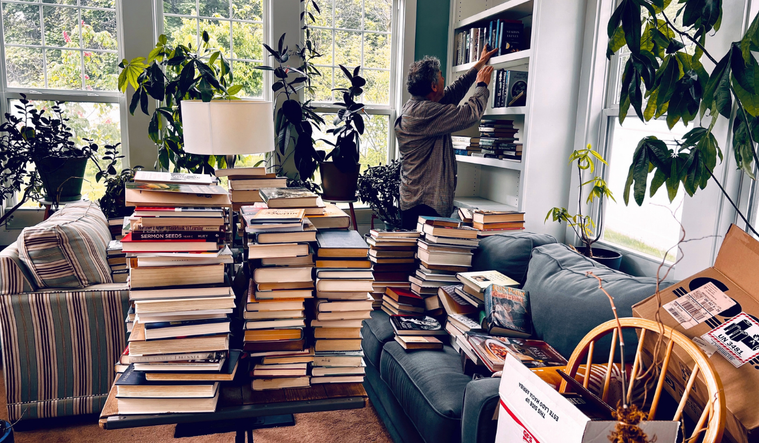
One man from her church loved to sing, and so did his children and grandchildren. They surrounded his hospice bed with music as he died, leaving "not a dry eye in the hospice unit," she remembered. Another woman spent her final months selecting favorite books from her collection, writing notes inside each one and giving them away before her death.
At her memorial service, every guest left with a book and a personal reflection explaining why it had mattered to her. For Regis, the gesture became both a gift to family and friends and a final opportunity to reflect on a life well lived.
Those stories share something in common. They happened because families were willing to have difficult conversations about what they wanted before they had no choice.
Opening Up the Discussion
For Jenna Levine Liu, those conversations began with an invitation from a yoga studio.
The Maryland writer and founder of Sixx Cool Moms, a national social network for moms, was invited to come to the studio’s Death Café and write about her experience. The cafes, which first started in London in 2011, are organized two-hour events with set discussion topics aimed at allowing people to talk about their thoughts on death and its impact on their lives.
She was only 39 at the time, and one of the youngest participants. Around her table were people in their 70s thinking about mortality from a different stage of life, along with a woman whose father was actively dying of cancer.
Rather than offering advice, the facilitator posed a series of questions: What was the first word that came to mind when participants thought about death? How comfortable were they discussing their wishes with loved ones? How old were they when they first realized they would die?
Although she’d lost her grandfather as a teenager and later attended the funeral of a friend's boyfriend who was killed in Iraq, Levine Liu had never talked openly about what death meant, or how it shaped the people left behind.
"It's not like something you talk about with your friends at dinner," Levine Liu says. But she thinks that something changed during COVID—so many people were dying of all ages, and there were so many unknowns. Because everyone was going through the same experience, it opened the door to those discussions.
She returned to the Death Café for another session, giving herself time to think about the questions. Two years later, she knows several people who have been diagnosed with cancer and said she feels more prepared to show up for them and handle these deeper conversations.
Recently, when a friend was struggling as her mother neared the end of her life with cancer, Levine Liu recommended going to a Death Café to share her experience and process her thoughts.
“Anybody who's actively going through a loss themselves is a good candidate,” she says. “If you're caretaking for somebody, or you've recently experienced a loss of a loved one, it's a good place to talk about your experience and how you feel about it in a safe environment where people aren't like giving you that look like they're sorry for you.”
Keeping the Conversation Going
Regis, the chaplain from Atlanta, said the need for conversation doesn’t end with death. As a bereavement coordinator, Regis regularly called families after a loved one died, expecting they would already be surrounded by support. Instead, she was struck by how often grieving people told her that no one else had reached out.
That experience changed the way she thinks about community.
Rather than waiting for grieving people to ask for help, she encourages friends and neighbors to check in, bring a meal or simply be present. Too often, she says, people worry about saying the wrong thing and end up saying nothing at all.
Kerr believes that is ultimately what these conversations are accomplishing. When he’s talking to patients, any question about death opens the door for him to address unknowns or correct misperceptions, particularly about suffering. He encourages families to create an atmosphere of familiarity around the transitioning person.
“It could be laughter, that could be music, that could be whatever, but anything that promotes that comfort, familiarity without disrupting sleep is everything,” he says, describing the process of dying as “a dimming of the lights.”
Whether these conversations happen in a Death Café, a hospice room or around a family dinner table, they are giving people permission to talk honestly about dying before they are forced to confront it.
"It sounds corny," Kerr says, "but it comes down to love, and whatever that means to you."
Want to read more of the death discussion? Check out death doula Diane Button's essay on lessons she's learned from the dying.
Download Dr. Kerr's End-Of-LifeDreams and Visions Toolkit Below
Plus, here are two favorite clips from Dr. Kerr on the gratitude and deep meaning that comes from being with someone through their death journey.
Please note that we may receive affiliate commissions from the sales of linked products.