Want to Be a Better Friend? Learn to Sit with Hard Feelings

A friend canceled our plans. They had an injury and were recovering, so they needed to rest. All I wanted to feel was compassion for them. Of course they should take care of themselves; they were hurt!
But if I’m being honest, compassion was not the first thing I felt. I felt rejected. This was a friend I had been trying to get closer to for months—reaching out a bunch of times and often getting turned down—and I craved more reciprocity. I had even asked them to initiate more. So, part of me took this cancellation not as a sign of them caring for themselves, but as another indicator of their rejection of me.
What do we do with these feelings we don’t want to feel?This is a central question that determines our self-worth.
We’ve been taught to suppress these kinds of feelings. When our spouse gets a promotion, while we’re languishing, we should not feel spite. When our sister gets pregnant while we’ve spent years trying, we should not be jealous. When our friend needs to cancel to care for themselves, we should not feel rejection. Suppression of negative emotions, we’ve learned, is the key to being a good person.
Yet, when I interviewed people who feel worthy, they insisted upon acknowledging and even welcoming inconvenient feelings.
As I interviewed Dr. Skyler Jackson, a public health professor who is secure-ish (which I advise over becoming secure, so we can always leave room to acknowledge and heal the parts of ourselves that aren’t), he told me he would “run [my] hand over these small things just to see if there’s energy somewhere.” Renowned therapists—Erich Fromm, Carl Rogers, Karen Horney—say the same thing. We should embrace every feeling as a welcome guest: annoyance, anger, judgment, desperation, weakness, hurt, or pity.
In the words of Abraham Maslow, who created the famous hierarchy of needs, the secure(-ish) exhibited a “lack of fear of their own insides, of their own impulses, emotions, thoughts.” Psychologist Carl Rogers encouraged us to “admit [our] real self with its childish patterns, its aggressive feelings, and its ambivalences” because “we cannot move away from what we are, until we thoroughly accept what we are.”
In other words, to feel worthy, we must treat our internal world as if it matters—our feelings, in particular, and yes, even the ones we’d rather not feel.
A Framework for Honoring Our Feelings
What does it look like to acknowledge and respect our feelings? In my speaking events on self-worth, I’ve shared a framework that encourages us to Feel, Heal, and then Do.
I advise people to stop pushing past inconvenient emotions, and instead Feel them (I feel jealous) and focus on how they manifest in their body (a sinking feeling around my heart). Then to Heal by telling themselves something they need to hear (you are going to be ok!). And, finally, if necessary, Do by asking something from the people in your life (I’d love to support your pregnancy, but it brings up a lot for me since I have been devastated about being unable to have kids. I’m sadly going to have to sit out on the baby shower).
It makes sense why we often opt to ignore our negative emotions instead. We think that if we don’t, we’ll become unreasonable or self-absorbed. But in fact, it’s the opposite. A meta-analysis including nearly 45,000 people found that the more we endorse statements like “I criticize myself for having irrational or inappropriate emotions,” the poorer our mental health.
We can only regulate feelings we are willing to acknowledge. So, the more we accept our emotions, even the ones we’d rather not have, the more we calm them. A study found that even simply labeling our feelings deactivates our amygdala, the part of our brain that’s triggered when we feel threatened. With our own negative emotions soothed, we then have a greater ability to have compassion for others.
This practice has been revelatory to me. I was used to confronting painful feelings when they were obvious, but not to searching for them. Once I did, I noticed myself blotting out these feelings so quickly that they became smudged, like fresh ink from a pen. At first, I couldn’t even make out what they once were. It was clear that a part of me felt threatened by these emotions—ashamed, wrong, and bad. It’s been a transformative practice to try to find and care for these emotions I’ve spent my life unwilling to feel.
When it comes to my friend who was injured, in the past, I would have pushed away my feelings of rejection. I learned those feelings aren't what I should feel because this friend’s pain was bigger than mine. Because, I thought feeling rejected before feeling compassionate would have made me a bad friend.
But now I know that I don’t have to judge my feelings. They aren’t an indictment of myself. They just are. I didn’t choose for them to crop up, but I can choose to attend to them. Without this attending, I would still have offered a “that’s ok. Feel better,” but it would have been more half-hearted, as my own pain would have limited my ability to fully acknowledge theirs.
After this attending, the crescendo and receding of my own feelings, I could tell them to prioritize themselves in a way that was wholehearted and genuine. I could have compassion for them without feeling like I abandoned myself to get there. This would allow our friendship to last because over the long term, the more we suppress our feelings (yes, even the inconvenient ones we’d rather not be there) to stay in connection, the more we end up feeling resentful, bitter, and ultimately withdrawing from the people we love most.
Attending to my own feelings, treating each emotion as worthy of my time and attention, has made me a better friend.
Even the parts of me that I struggle with—hurt, rage, bitterness, vengefulness—are parts of me. And so, I’ve realized they are precious.
Now I realize that being a good person and friend is not about ignoring my feelings, but embracing them more deeply.
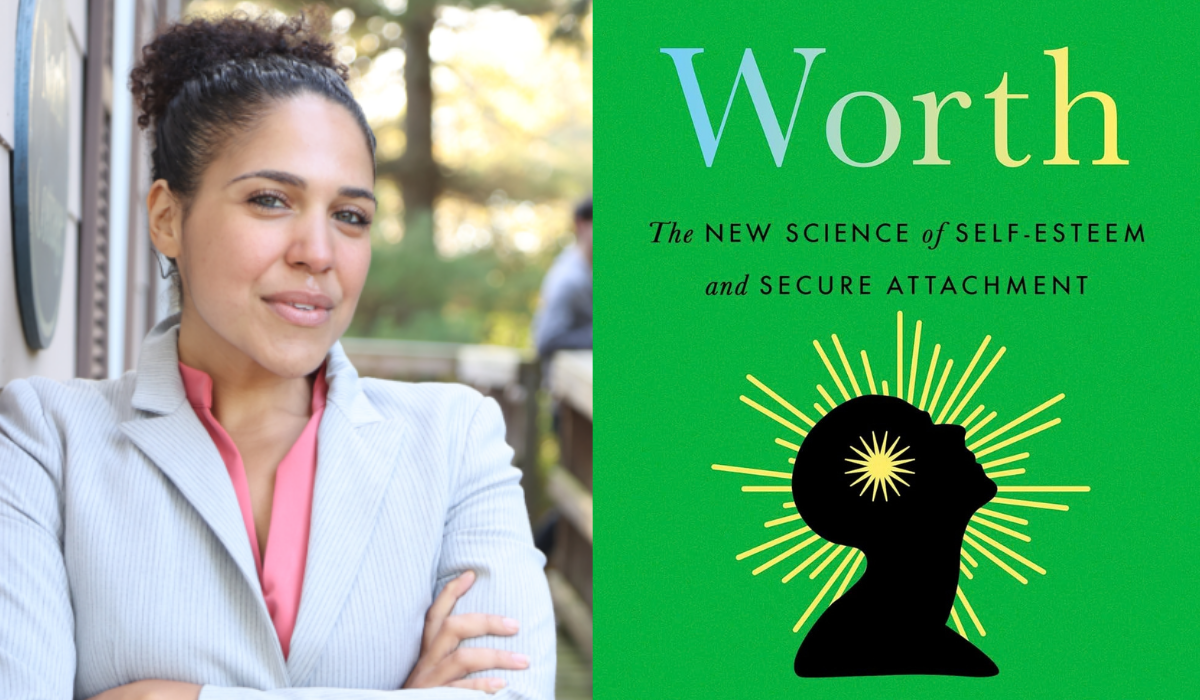
Marisa G. Franco, PhD is a psychologist, speaker, and professor, and the New York Times bestselling author of Platonic: How The Science of Attachment Can Help You Make—and Keep—Friends. Her newest book Worth: The New Science of Self-esteem and Secure Attachment, debuted September 15th. She delivers talks on connection, belonging, and worth across the country for private companies, universities, and nonprofit organizations. Learn more at drmarisagfranco.com.


Please note that we may receive affiliate commissions from the sales of linked products.