‘Mom Loves Wine More Than She Loves Us’
September is National Recovery Month, a time to recognize that recovery can take many forms—and that there is no single path forward. It’s also an opportunity to have more open, honest conversations about substance use and recovery.
In this deeply personal essay, Danielle shares her own experience—and why she believes we don’t have to wait until our lives fall apart to question something that may be hurting us.
“Too bad Mom loves wine more than she loves us.”
Of all the things I lost to alcohol, those words are among the ones I remember most clearly.
They were written in a text from one of my children to the other. They landed like a punch in the gut.
At the time, I would have told you those words weren’t true. Now, more than seven years of sobriety later, my kids know they weren’t true. But it has taken work to get here.
Of course I loved my children more than wine. They were the center of my universe. I was their mom—the one who showed up, cheered loudly, loved fiercely. I also had a career I was proud of. I had been a television anchor and reporter, an author, and an entrepreneur. From the outside, I was accomplished, capable, involved.
And I was drinking far more than anyone knew.
My Life Didn’t Look Like Alcoholism
For a long time, I worked very hard to make those two versions of me coexist.
I could point to everything I was still doing well as evidence that I was fine. I could compare my drinking to someone else's. I could make rules about when I would drink, how much I would drink, or how long I would stop.
And I could tell myself that because my life didn't look like the version of alcoholism I had been taught to recognize, I couldn't possibly have a real problem. I wasn’t homeless. I wasn’t drinking $2 vodka out of a brown paper bag. And I wasn’t drinking every day. Until I was.
Eventually, I couldn’t outrun the truth.
Alcohol had become the thing I reached for to change how I felt. To quiet what hurt. To soften what I didn't want to face. Sometimes to disappear from myself entirely.
There were blackouts. Secrecy. Shame. Promises I meant when I made them and couldn't always keep. There were 3 a.m. promises I made to myself: Tomorrow, I would get this under control. Until the witching hour called and I convinced myself that “just one” would be fine. It never was.
And there were my babies—watching a mother they loved slowly become someone they didn't always recognize.
On July 8, 2019, I finally asked for help.
Recovery Asked Something Bigger of Me
I initially thought this was all about the alcohol. The drinking.
Seven years later, I understand that recovery asked something much bigger of me: how to live without constantly trying to escape myself.
That distinction has changed everything.
In the beginning, I thought sobriety would be measured primarily in days without drinking: 30, 185, 500. Each milestone mattered. They still do. Right now, I am nearing 2,800 days.
But, somewhere along the way, I stopped thinking only about what I had given up and started noticing everything I was getting back: my children, my integrity, mornings I remembered, conversations I didn't have to reconstruct, the ability to look people I love in the eye without wondering what I had said or done, and eventually, something I hadn't realized I had lost: trust in myself.
It Made My Life Mine
I would love to tell you recovery has made my life painless, but it doesn’t work that way. In the years since I stopped drinking, I have experienced profound grief, heartbreak, enormous change, and the death of someone I deeply loved. I have had moments when I desperately wanted relief from what I was feeling.
But I learned that feelings don't have to be escaped to be survived. I can feel grief, fear, and loneliness and survive. And those feelings can make room for their opposites.
Deep joy and gratitude can be fully, wildly experienced—and remembered.
Perhaps the greatest surprise of recovery is that sobriety did not make my life smaller.
It made my life mine.
We Don’t Need to Earn the Right to Get Curious
Today, I work with people who are questioning their own relationship with alcohol, and I am careful not to hand them my story as a prescription. My path required me to stop drinking. Someone else’s path may be different.
What I believe deeply is that we should not have to destroy our lives before we are allowed to question something that is hurting us. We don't need to earn the right to get curious. And shame has never been a particularly good doorway to healing.
Seven years ago, I thought asking for help meant admitting I had failed.
Now I think it was one of the first truly honest things I had done for myself in a very long time.
My children are adults now. They are two of my favorite people in the world, and the relationship I have with them is one of the greatest gifts of my life.
I cannot go back and erase the moments when alcohol made them wonder where they ranked in my heart.
I can only live the answer now.
And I do. Every single day.
Looking for Help?
If Danielle’s story has you thinking about your own drinking—or concerned about someone you love—there are many ways to find support. The right approach will look different for everyone, and may include talking with a healthcare professional, seeking treatment, or finding support from others who understand what you’re going through.
The NIAAA Alcohol Treatment Navigator can help you find and evaluate evidence-based alcohol treatment, and FindTreatment.gov offers a confidential directory of mental health and substance-use treatment providers. You can also call SAMHSA’s National Helpline at 1-800-662-HELP (4357) for free, confidential treatment information and referrals.
Peer-support options include Alcoholics Anonymous, SMART Recovery, Women for Sobriety, and LifeRing. For those interested in reducing their drinking rather than abstaining, Moderation Management offers another approach. For family members and friends affected by someone else’s drinking, Al-Anon and SMART Recovery Family & Friends offer support.
If you’re considering stopping drinking: People who have been drinking heavily or regularly can experience serious withdrawal symptoms when they stop. Talk with a healthcare professional about whether you may need medical support to stop safely. If you or someone you know is in emotional crisis or thinking about suicide, call or text 988. In a medical emergency, call 911.
Join the Conversation
What resonated with you in Danielle’s story? We invite you to share your thoughts, reflections, or experiences in the comments below.
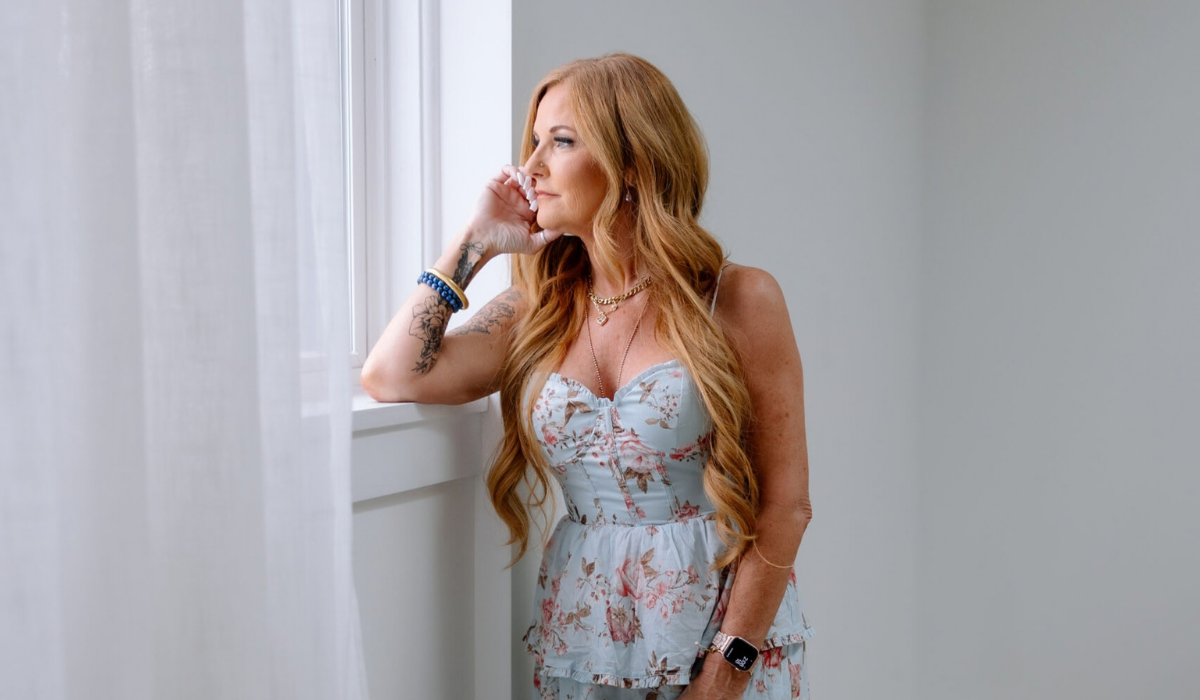
Danielle Elliott Smith is an award-winning journalist, author, recovery advocate, and founder of the ReDefining Sober™ app. Seven years sober, she now helps others examine their relationship with alcohol and explore what recovery can look like through her Hope Comes to Visit podcast and ReDefining Sober™.
Please note that we may receive affiliate commissions from the sales of linked products.