News Above the Noise—Week of August 30, 2026
1. The U.S. Hits Worst Year in Decades for Measles Cases
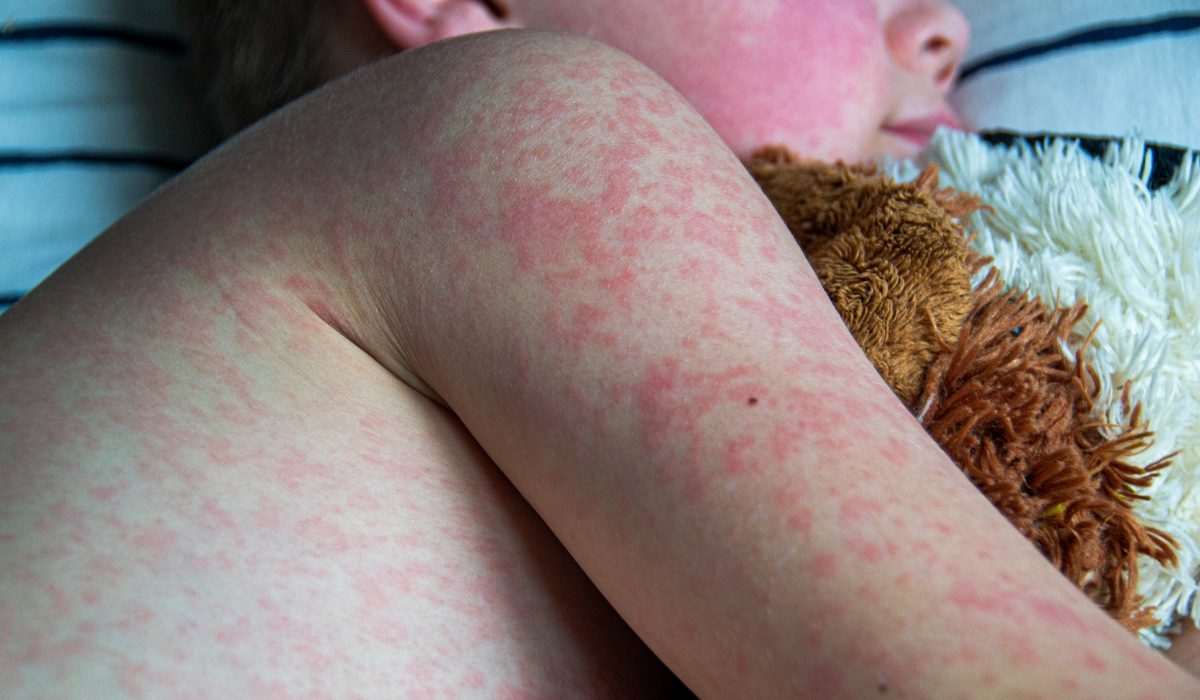
The dispute centers on a technical but consequential question: what actually counts as a measles death. In one Pennsylvania case, a newborn too young to be vaccinated tested positive for the virus, but the coroner ultimately attributed the death to another cause. Health Secretary Robert F. Kennedy Jr. has cast doubt on the state's reporting, even as infectious disease experts warn the political fight is pulling attention from a genuine public health threat. Read more here.

2. Nepal’s Flash Floods Leave Death Toll That Is Still Climbing
The disaster struck without warning Wednesday morning, as a melting glacier high in the Himalayas broke apart and sent a wall of water, mud and debris down the Bhote Koshi River. Entire villages that lined the riverbank were flattened in minutes. Rescuers say ground operations have been suspended over fears of rising water, leaving helicopters as the only way to reach the hardest-hit areas. Read more here.

3. What Dolly Parton’s Story Reveals About the Hidden Cost of Caregiving
In a candid video last year, Parton revealed she’d stopped taking care of herself during the years she spent looking after her husband before his passing. Researchers and physicians say her admission captures something bigger playing out in homes across the country, where privilege and access don't guarantee protection. One expert points to a practical culprit: the constant uncertainty of caregiving leaves little room to schedule anything for yourself. Read more here.

4. Could One Shot Replace a Lifetime of Cholesterol Pills?
Right now, people with high cholesterol usually have to take a pill every single day to keep their levels in check. This new approach is different: it edits liver cells just once, permanently changing how they process fat in the blood. In the study, the edited cells kept working long after the initial treatment, meaning patients didn’t need to do anything else to maintain their results. Scientists say larger studies are already planned to see if the treatment works as well in more people. Read more here.
Editor's Note: Every week, The Sunday Paper's team of journalists sift through the news to find what Rises Above the Noise, makes sense of what's happening in the world, and provides hope for your week to come. While we do our best to provide our own informative summary of each piece, some publications require their own subscriptions beyond our control.
Please note that we may receive affiliate commissions from the sales of linked products.