Kale Yeah!

Ashley Newell cannot resist a farmstand. She was recently driving to her Sacramento, California home with a friend when a tiny stand tucked on a rural road caught her eye in the rear-view mirror.
The 43-year-old content creator convinced her friend to throw the car in reverse. There were zinnias and figs and tomatoes. The owner happened to pull into the driveway while the two women were browsing.
“She was like, ‘Oh my gosh! People are here buying stuff! It’s so exciting,’” remembers Newell, who says she goes out of her way to buy produce at local farms because it’s safer, particularly during the recent Cyclospora outbreak. “Then she had new kittens and all of her kittens came out to say ‘Hi!’ to us, it was so cute.”
Roadside farmstands have become increasingly visible in recent years, fueled in part by social media, where videos of carefully stocked shelves, handwritten signs, and honor system payment boxes regularly attract millions of views. Some farmstands, like Stout Ridge Ranch in upstate New York, have a weekly honor box “check in” where viewers watch to see if customers paid up for their eggs, cookies and zucchini cake– and how much the stand made ($508 one recent week).
Farmstand owners say what began as a side hustle often becomes a full-time income between social media payouts and profits made from baked goods, crafts and mason jars filled with flowers. The sales come with an added bonus, the owners say—getting to know their neighbors and the community.
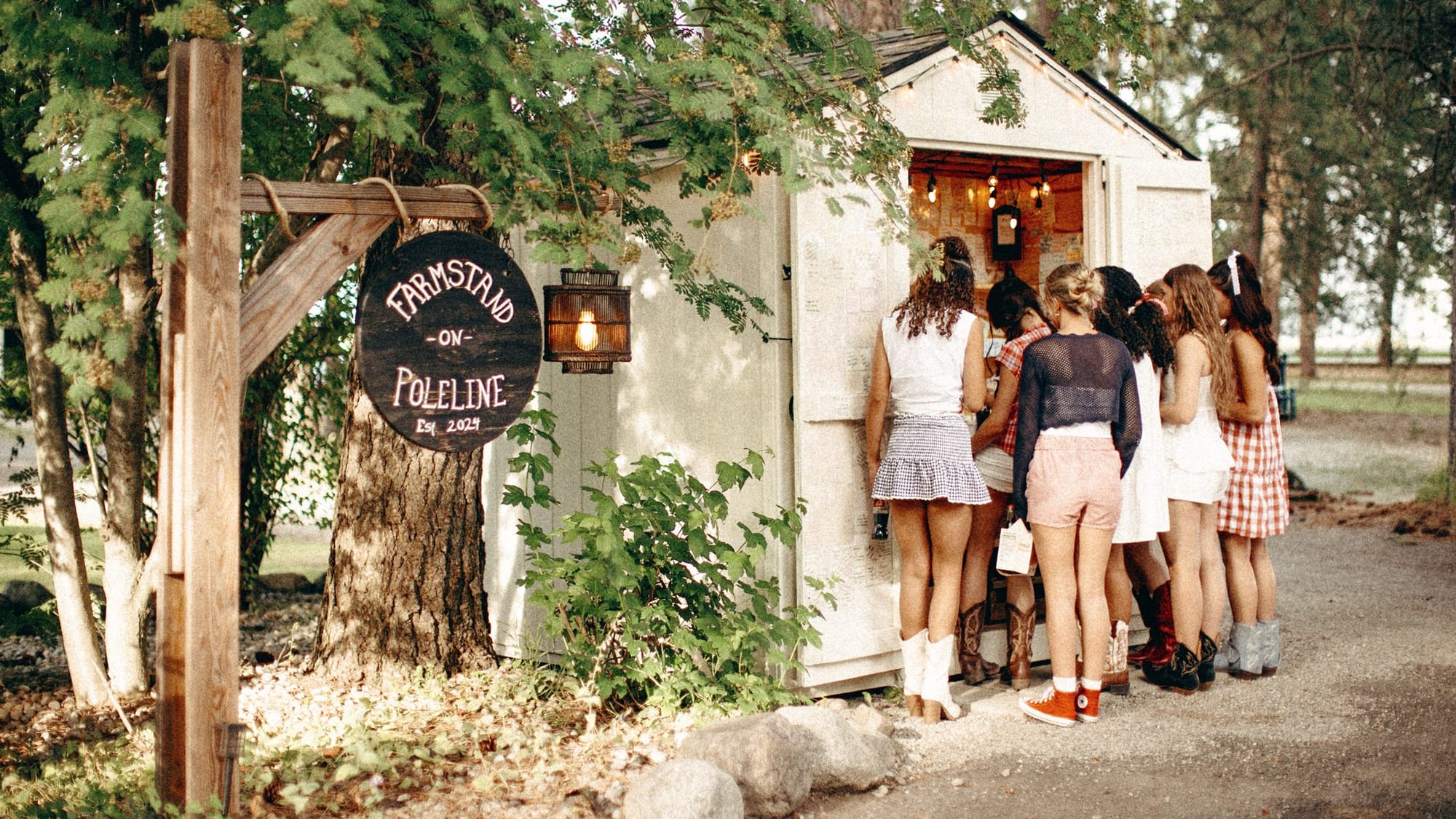
For Serena Blachura, 32, who operates Black Market Farm CT in Colchester, Connecticut, it’s two days of demanding work for a big payoff in family time. Dough is mixed on Wednesdays, refrigerated overnight and baking begins before dawn on Thursdays so fresh bread is ready by late morning. Customers return week after week, sometimes lining up before the stand opens at 11 a.m. She is often sold out by Friday, she says.
“It was vegetables, and then it turned into scones and English muffins, and more bread and cookies. Then people were making requests, and I was like, ‘Wow, there’s really a thing for this. Like people really, really like this stuff!’” she says. “I outgrew the first stand very quickly.
Now housed in an actual walk-in shed, Blachura rotates seasonal recipes, keeps detailed ingredient labels that comply with Connecticut’s cottage food laws, monitors allergy information, photographs products for social media, and stocks handmade goods from other local artists.
The connections to her customers have helped build relationships that go beyond buying bread, she says. When customers don’t have exact change, they often leave handwritten notes promising to pay the difference next week. Others intentionally leave extra money. The regulars know each other, know the schedule and know that if they wait until Saturday, it’ll be too late.
With that connection comes a kind of freedom as well, Blachura says. She recently went away for a bachelorette party and put out a note on social media to all her customers letting them know the baking was taking a break. Well, a sort-of break.
“I’m like, ‘Hey, I’m not gonna do a big, big thing like I usually do, but I’ll make a little bit so I don’t disappoint my people,’” she says, adding that her husband took over the opening and closing responsibilities. The same feeling of connection has been true for Rayla Collins in northern Idaho, where seven family members and friends share the work of operating a year-round farmstand stocked with a wide variety of goods including cookies, brownies and cinnamon rolls. It started in 2024 in response to feeling burnt out from other jobs. Then the farmstand started making them frazzled, she says.
“We were going like nonstop because it was just flying off the shelves, people wanted it. There was a buzz,” she says. “We were finding joy again, and we were going seven days a week. Now, two years later, we’ve realized that we can’t do that, and we don’t want to do that realistically. So, we have all kind of decided what it is that we individually want to make at our farmstand financially, and then we bake accordingly.”
Each member of the “Farmstand Club” specializes in different recipes while taking turns baking, opening, closing, and restocking throughout the week. Visitors cover the walls with handwritten notes describing favorite recipes, family traditions, and memories of stopping by.
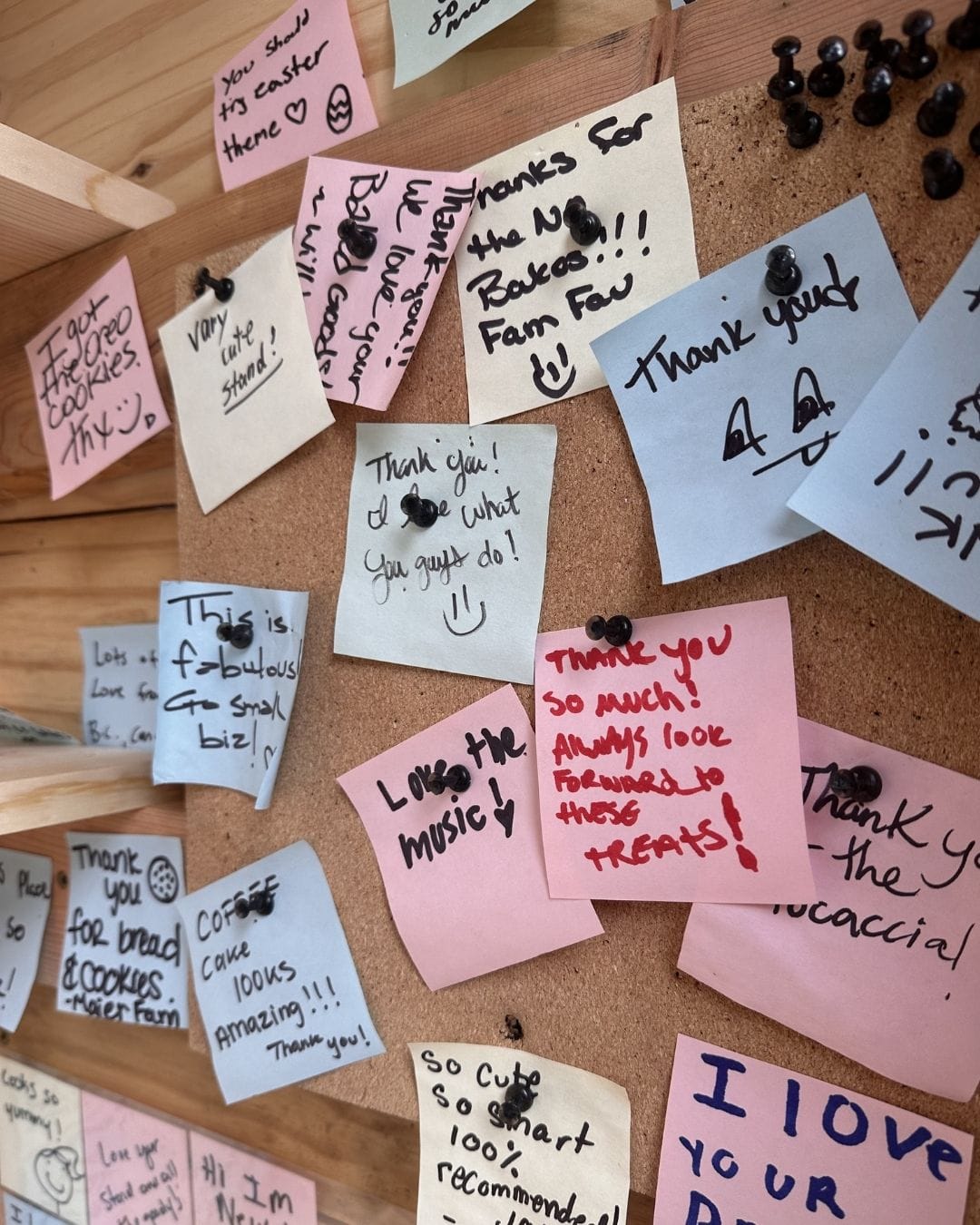
Collins says the messages have become something like a guest book, reminding the family that people come for more than baked goods.The business has also grown into something unexpected. After strangers repeatedly asked how to build farmstands of their own, the group began teaching others about pricing, licensing, packaging, and cottage food laws.
“It’s predominantly women who want to stay at home with their kids, bring in an extra income for their husband, and kind of supplement a little bit,” Collins says. “They also are looking for something that they can do that you know just brings joy to the home, and it’s something fun. People love it.”
Collins estimates many farmstands generate meaningful supplemental income—in Idaho, where she is located—she says most people take in anywhere from $2,500 a month to $15,000 a month. After working with a number of farmstands nationwide, she said the average is about $4,500 a month profit, depending on supply costs and repairs.
The whole farmstand business is exploding nationwide, she says.
“We’ve been going for about two years, and this year we saw everybody start in our local area,” she says. “I mean, I buy sourdough at other people’s places when my mother hasn’t cooked for a week.”
The job is not without setbacks. Collins has dealt with occasional theft, but she remembers what happened afterward more than what was taken. After someone took a bunch of items and left without paying, the stand members posted a note explaining what had happened. By the next day, other customers had replaced the missing money. She believes those moments say as much about the community of people stopping at farmstands as the people running them. They support each other. “Our first year, my sister got married in Hawaii, so we took two weeks off to go to Hawaii, and we just put a note in the farmstand that said ‘Hey, one of us is getting married. We’ll be back in two weeks,’” Collins says. “It’s a very old-fashioned mindset, and we’re trying to keep it that way. So you know, if we’re closed, we’re closed. There’s nothing we can do about it.”
The Sunday Paper Sidebar:
So You Want To Start a Farmstand?
Based on the suggestions from Rayla Collins in Idaho and Serena Blachura in Connecticut, here are some practical suggestions for starting a roadside side hustle:
- Learn your state's cottage food laws first. Before selling anything, research licensing, labeling, food safety requirements and local regulations. Both women said every state has different rules, and understanding them early can save headaches later. For example, Connecticut requires that labels list all ingredients by amount used.
- Start small with products you know you can make well. Don't try to offer dozens of items on day one. Serena began with sourdough, bagels and focaccia before adding cookies and seasonal specialties. Rayla recommends starting with familiar favorites like chocolate chip cookies or classic bread, then expanding once customers trust your quality.
- Price your products confidently. One of the biggest mistakes new farmstand owners make is underpricing. Rayla said customers are willing to pay for homemade quality and appreciate knowing their money is supporting a local family rather than a corporation.
- Be consistent. Whether you're open every Thursday or six days a week, stick to a predictable schedule. Serena said customers know exactly when fresh products arrive, while Rayla's Farmstand Club follows a rotating schedule to keep the stand reliably stocked.
- Use social media to tell your story. Both women credit social media with helping their farmstands grow. Serena posts regular restocks and says social media can make "the smallest people big," bringing in customers who discover her online. Rayla documents her farmstand's journey from the beginning and now uses social media to teach others how to start their own farmstand.
- Create an experience, not just a place to shop. The most successful farmstands give people a reason to come back. Rayla's features walls covered with handwritten notes from customers, while Serena has expanded hers into a walk-in farm shed with local artisan goods, books and gifts. Both believe shoppers are looking for connection, community and a slower pace as much as fresh bread or cookies.
Please note that we may receive affiliate commissions from the sales of linked products.