The Cost of War We Don’t Talk About

I was sixteen when war became a personal story for me, not just a history lesson, not just the war that raged across our television screens and sent anti-war demonstrators into the streets. The Vietnam War had been a background echo in my life but suddenly it crossed a boundary and became part of my life. A boy I knew in high school enlisted in the Marines and what followed would be years of letter writing, occasional visits when he was able to briefly come back to the states, and a window into what war does to a human being.
Our high school was a small co-ed boarding school out in the middle of the Arizona desert. The boy who became a fixture in my life was ahead of me but with only 180 students, everyone knew everyone else. He enlisted midway through the school year, abruptly vanishing from our midst. A friend of his told me that he’d enlisted in the Marines and would really appreciate getting letters while he was in basic training in San Diego. I don’t know if anyone else wrote to him, but I did. I got a thick, many-paged letter in response, which all his letters over the years would be. He wrote about the brutality of the training, and how he wasn’t sure how he was going to kill another human being. The Vietcong who I’m being asked to kill, he said, have families, loved ones. How can I take another person’s life?
Over time, he didn’t use the word Vietcong anymore. They were gooks, and he was ready to kill them. It’s what I’ve been trained to do, he said bluntly. When he got to Vietnam, we still wrote to each other. At first, he was stunned by how many shades of green swirled across the landscape of Vietnam. He wrote about the rain coming down in torrents. But then the green land and the days and nights of rain gave way to blood and gore and screams that haunted him at night and changed him forever.
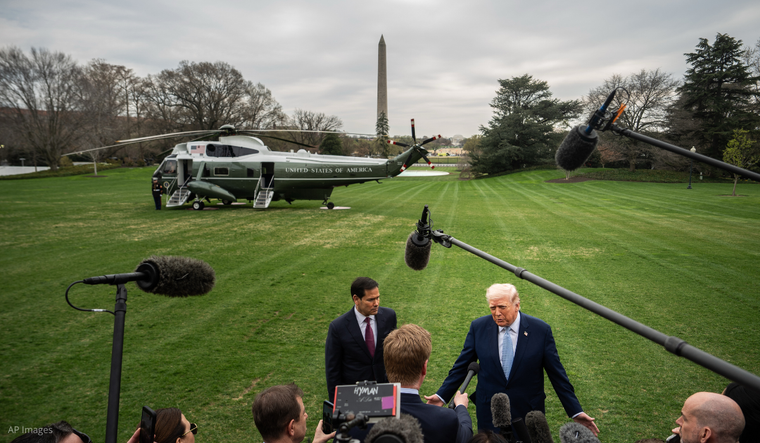
With every war we get into I think about my long-ago friend, and the thousands and thousands of veterans who’ve survived combat but can’t get the experience of combat out of their lives. Now we are at war again, even though this administration can’t agree on whether to call it a war. To date, 13 soldiers have died, an estimated 140 have been wounded, and 175 schoolgirls along with their teachers were killed by Tomahawk missiles which, it is now believed, were dropped by America because of outdated information. How will the people who passed on the misinformation about those targets live with that knowledge? How will those who released those missiles silence the ghosts that will inevitably claw into their sleep? This is the human cost we don’t talk much about. We have services for those who have died, but there are different kinds of death. Sometimes one dies to who they used to be, and there are no services for that.
My friend did two tours in Vietnam. We wrote the whole time. At some point during his second tour, he came back on a short leave because of a death in his family. It was summer, I was in Sacramento staying at the Governor’s mansion with my parents. He came for dinner and to spend the night. I remember sitting at the dinner table as he clearly tried to impress my father with his gung-ho, pro war comments. I, the anti-war rebellious Governor’s daughter, stayed quiet. Late that night I crept into his room, and we sat in the dark talking for a long time. Maybe the darkness made him feel more comfortable, but he told me some of what he had been through – the men blown up next to him, limbs scattered in the jungle foliage, the fear that was his constant companion, and the anger that was his lifeline. I said at one point that he had changed so much from who he once was. He said, “I’ve become who I needed to become. To survive.”
Shad Meshad went to Vietnam as a psych officer in 1970. When he returned, he helped start the Vet Centers to help veterans who were refusing to go to the VA, saying they weren’t listened to in that establishment. In 1985 Shad started the Vietnam Veterans’ Aid Foundation, which was then re-named the National Veterans’ Foundation so that all vets could feel included. He still runs it today and now there are veterans from the wars in Afghanistan and Iraq. I met Shad in the late 80’s and went to some of his fundraisers and events. Several of the men I got to know then have died, one from the lingering effects of Agent Orange poisoning. I spoke to Shad recently and we talked about the chaos and confusion of this latest war. Will there be boots on the ground? Will there be a draft? Why are we even there and how will this end? He said he’s getting calls now from parents who are terrified that there will be a re-instituted draft. And he spoke about one common factor among soldiers who are sent to war. “They’re usually adolescents,” he said. “Eighteen, nineteen. But we know clinically that adolescence lasts until the age of 25 or 26. So in this formative time they’re having experiences and traumas that will last for the rest of their lives. Even I can’t talk about everything I saw and went through in Vietnam.”
This administration speaks about this war with bluster and bravado. Often it sounds like they’re talking about a war-game video. There is something glutenous and pompous in all the soundbites that come out. Maybe the rest of us can back away from that enough to reflect not only on the lives actually lost, but the lives that will be forever changed. Whether or not troops are sent to Iran, there will be military men and women whose nights will be seared by memories and questions they’re afraid to share and talk about. A common fact of war is that it still rages in the people who were there long after the war is over. It’s a darkness that stays with them, one they typically don’t want to talk about. Maybe the best we can do is to acknowledge that, be willing to take a step forward, straight toward that darkness, and understand that even after a war ends, for some it never does.
Please note that we may receive affiliate commissions from the sales of linked products.