The Letters I Wrote to My Son After He Passed

"There is no greater agony than bearing an untold story inside you."
— Maya Angelou
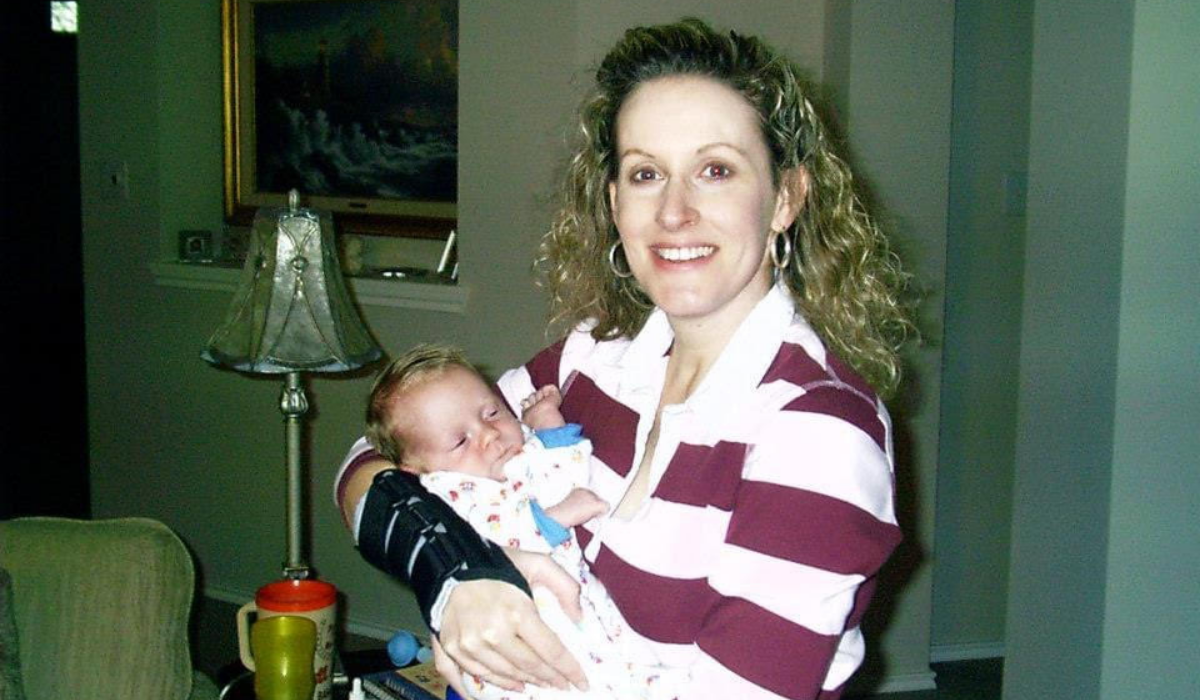
My son Jackson died in June 2003. He was three months old. He died on a Tuesday, and I was back at my desk the following Wednesday. It’s not that I was strong enough to handle it. I simply didn't know how to fall apart. I was raised to get over things quickly. Crying was allowed for five minutes in our house. Then we were expected to smile and get on with it.
By the time Jackson died, I was a master at shoving my feelings into a box and slamming the lid shut.
That’s how I managed—or avoided—my grief for 17 years. And I built a good life on top of that box. I had two beautiful children who came after Jackson, Jaymeson and Jake. I poured myself into them and my job as CFO of a construction company.
I experienced tremendous joy raising my kids. There were nighttime songs and snuggles, movie nights, beach vacations, birthday cakes, and countless trips to the park. My work was meaningful. Life was good… good enough.
But late at night, after the kids were in bed, the tears would come. A book or a scene from an old movie would break through the wall I erected, and the pain would spill over. I never told anyone about those nights. It was just me and my grief.
I assumed the enduring sorrow was just how life was after losing a child. I believed I would always be at least somewhat broken.
Then in the fall of 2018, I was sitting on the living room floor working on a vision board. I was surrounded by People magazines, scissors, and glue dots and I stumbled on an article about Kintsugi, the Japanese art of repairing broken pottery. I read how the artisans don't try to hide the cracks when they rejoin the fragments. They fill the cracks with gold, highlighting them and turning them from flaws into the piece's most beautiful feature.
Sitting there on the carpet, I believed for the first time that my broken pieces could come together and that my future self could be better than the me who died when my son did.
It was the first step to finding a deeper healing than I'd ever imagined was possible.
Two years later, in January 2020, I sat in a training room for Grief Recovery Method certification. I had signed up to help a coaching client whose husband had died, not to help myself. I thought I was doing fine with my grief.
I'm not a big crier. And “I don’t do vulnerable” in the words of Brené Brown. So I was surprised when I started crying in the first 30 minutes as we went around the room and shared the loss that brought us there. I proceeded to cry for the next three days.
Much of the program is done in pairs and my partner was Ed Ricardo. He was tall with a large stature but also surprisingly gentle mannerisms and soulful brown eyes. We sat facing each other in black metal chairs with ivory cushions, a box of Kleenex on the floor between us. I leaned toward him and shared my untold stories. Childhood hurts. Failed marriages. The death of my father. The death of my son.
I had no idea how much pain I'd been holding inside until it came pouring out.
At the end of the three-day training, my body was lighter. My chest was open. My shoulders stood tall instead of curling inward to protect my heart. When I imagined the future, I felt practically giddy. The deep pain I had buried for 17 years lifted, leaving behind a box full of love and happy memories.
That’s when writing a book left its place on the back burner. My life circumstances finally allowed it. I was in my 50s. My children were older, and most importantly, I had discovered a previously missing piece… that you can feel whole again after loss.
I’d always imagined I would write a book one day. Writing had been my refuge since I was a teenager. After Jackson died, writing was how I processed thoughts and feelings I couldn't say out loud, how I remembered moments I was terrified I'd forget, and how I stayed in relationship with my son.
I wrote letters to Jackson when the rest of the world had moved on. The journal pages I filled over the years became building blocks for my book From Gutted to Glorious: Transform Your Grief and Rediscover Your Joy.
Writing was essential to my survival. It was my process for making sense of pain and making room for joy. The biggest sources of joy were God, my living children, and learning how to let go of pain without letting go of my son. Joy had been with me all along. But releasing pain created space for even more joy.And that’s what I want other grievers to know is possible. The ceiling on healing and joy after loss is not ‘good enough.’ The ceiling is glorious.
Twenty-three years after Jackson died, I no longer feel broken. I feel resilient and restored.
The cracks in my heart are no longer wounds to be hidden. They are sacred wonders, meant to be cherished and shared.
Jennifer J. Hacker is the author of From Gutted to Glorious: Transform Your Grief and Rediscover Your Joy. You can learn more about her work here.
Answer
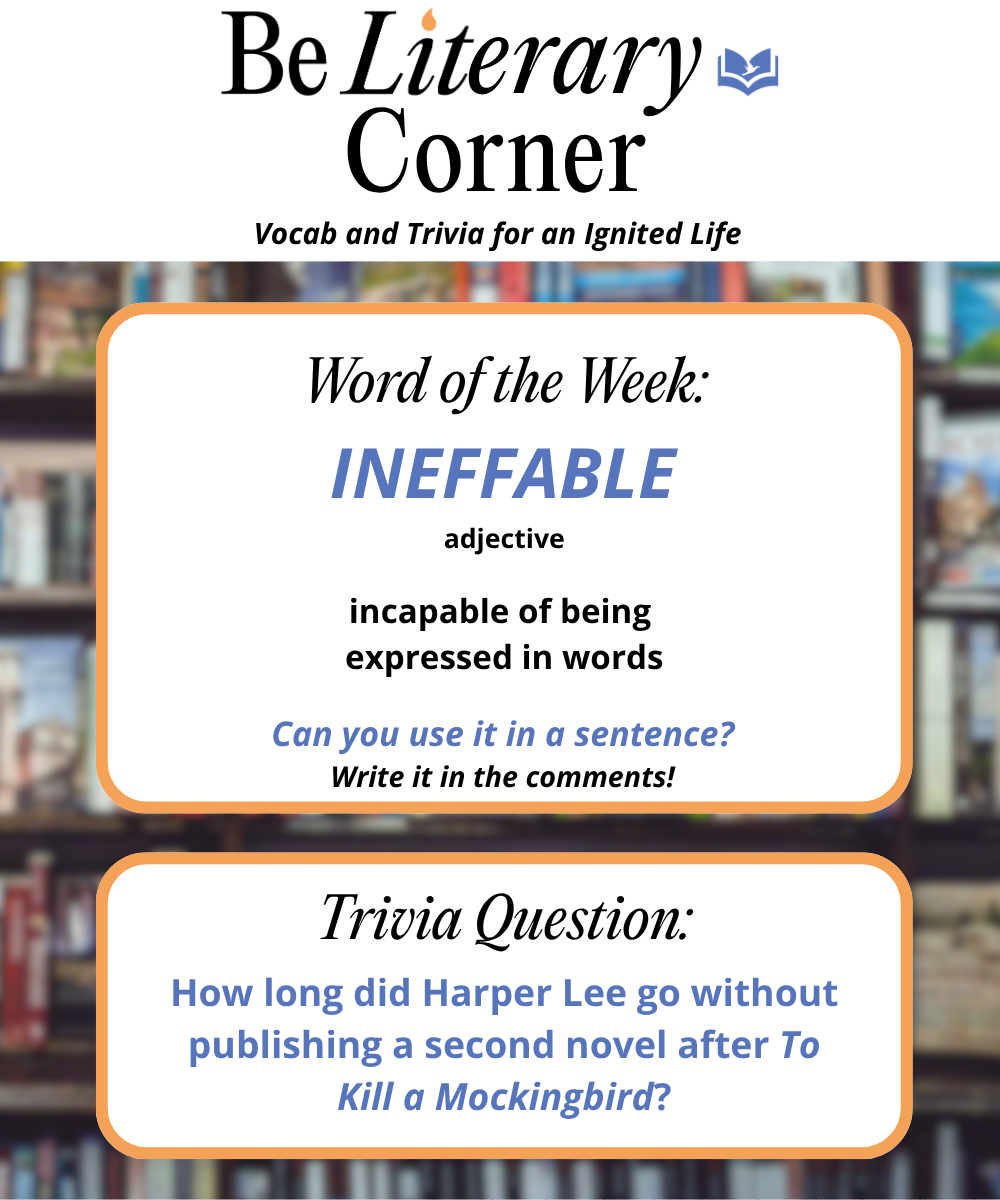
55 years
Fun Fact: When Go Set a Watchman finally came out in 2015, it turned out to be the original draft of To Kill a Mockingbird—meaning the book had been waiting in a drawer the whole time!

Please note that we may receive affiliate commissions from the sales of linked products.