Wild at Heart
When I turned 35, I gave myself a present—a three-day yoga and kayaking workshop at a retreat in the Berkshires. Everyone else seemed so poised and confident, while I became more familiar with the taste of lake water than I’d like to remember. But then, that last day, we did a sunrise kayak, and it was so quiet—the fog was still hanging over the water and we watched as a blue heron stretched its wings.
After I got home, I bought a kayak and kept it in my living room, tucked behind the couch. My 5-foot 3-inch self learned to hoist it on the top of the car, taking trips on the Delaware, through the Pine Barrens, and down the Schuylkill River, cruising by Philadelphia’s art museum.
Many of those trips were solo adventures. Although a growing number of women are joining the ranks of hunters (22%), and taking up fly fishing (31%), for many, the thought of outdoor activities—camping, hunting, fishing—is something daunting.
Christine Thomas has made it her life’s mission to change the way women view the outdoors. Thomas grew up going fishing for bass with her dad in the canal near her home and on the Michigan lakes. She still remembers the day she caught something so big, it snapped her fishing pole.
Those moments spent outdoors made an impact on her life, and when she became a professor at the University of Wisconsin-Stevens Point, she wanted to share those experiences. So in 1991, Thomas offered a workshop called “Becoming an Outdoors-Woman,” teaching basic camping and hunting skills. She was afraid no one would sign up, but more than 100 women showed, ready to learn.
It’s been 35 years since that Wisconsin workshop, and “BOW” programs exist in at least 35 states, from Maryland to Kentucky to Iowa. The weekend-long programs usually sell out far in advance. In Texas, the program is so popular that the state added a second weekend, and created the “Texas Outdoors-Woman Network (TOWN)” so that women could continue to fish and hunt together.
Thomas, who eventually became dean of the College of Natural Resources, says the program has always been about more than learning outdoor skills. The lasting impact comes from helping women build the confidence to try something new.
Now retired, Thomas talked to The Sunday Paper from her home in Wisconsin about the barriers to outdoor adventures, the community created by building confidence together, and how she’s still learning new skills (and destroyed a boat trailer).
A CONVERSATION WITH CHRISTINE THOMAS
You started in 1991 with a workshop, now there are programs in more than 30 states. Why do you think it has endured for so long?
I think because there’s still a need. We’re now in somewhere between 35 and 40 states, although that’s fewer than when we reached our peak. Education programs are often the first things to go when state agencies face budget cuts. But in many places the demand is still tremendous.
The program has expanded well beyond its original workshops. How have the opportunities changed?
Many states now offer what we call Beyond BOW programs, although they may use different names. Instead of taking four introductory classes over a weekend, participants can spend the entire weekend concentrating on one skill and gaining much more experience.
Some states also offer actual outdoor experiences. It might be a pheasant hunt, a camping trip, or sea kayaking on Lake Superior.
Texas is a great example. They have the Texas Outdoor Women’s Network and a foundation that supports the program. They own boats, trailers, and equipment, and they raise money that goes right back into creating opportunities. I took the turkey hunting class there because a longtime friend was teaching it, and every woman in the class was invited to participate in an actual turkey hunt afterward. They understand that the learning shouldn’t stop when the class ends.
How much of a barrier is cost? Outdoor equipment isn’t inexpensive.
I think it’s a fairly big factor. When “Becoming an Outdoors-Woman” started, many participants were women 45 and older. Their children had grown up, they finally had some time for themselves, and they had a little money to spend.
Today the audience is much broader. When I was in Texas, there were many younger women and more women of color. It’s become a much more diverse audience. But firearms are expensive. Boats are expensive. Equipment can absolutely be a barrier for many women.
You spent years researching why women continue participating in outdoor activities or leave them. What did you learn?
After I retired, I worked on a federal research project looking at women in hunting and shooting sports. We interviewed about 10,000 women across the country because we wanted to understand why women “churn” out of these activities more than men.
Everybody has reasons they step away for a while. Maybe they broke a leg, they’re caring for elderly parents, they just had a baby, or they lost access to hunting land after a divorce. Once we sorted out all those life circumstances, one thing stood out—women often didn’t feel confident because they didn’t think they were competent enough to go out and do these things on their own.
That became our next question. If we gave women more opportunities to learn beyond an introductory class, would that build confidence? Think about someone whose introduction to hunting is Hunter Education. Maybe it’s online, or maybe there’s one field day where they’ve never even handled a firearm before. They shoot a target, have fun, get excited, and then what?
Compare that with a 12-year-old who has been riding around in Dad’s backpack since he was six months old. That child already has years of experience and a family that’s involved.
Many women don’t have that same frame of reference or that built-in community. That’s why so many women return to “Becoming an Outdoors-Woman” weekends. They find a community there.
Part of this program is helping women get over the fear of trying something new. What’s the last new skill you learned?
I took the trailer class at the Texas 30th anniversary event because my daughter and I had bought pedal kayaks. My husband can back up a trailer anywhere, but I wanted to learn to do it myself.
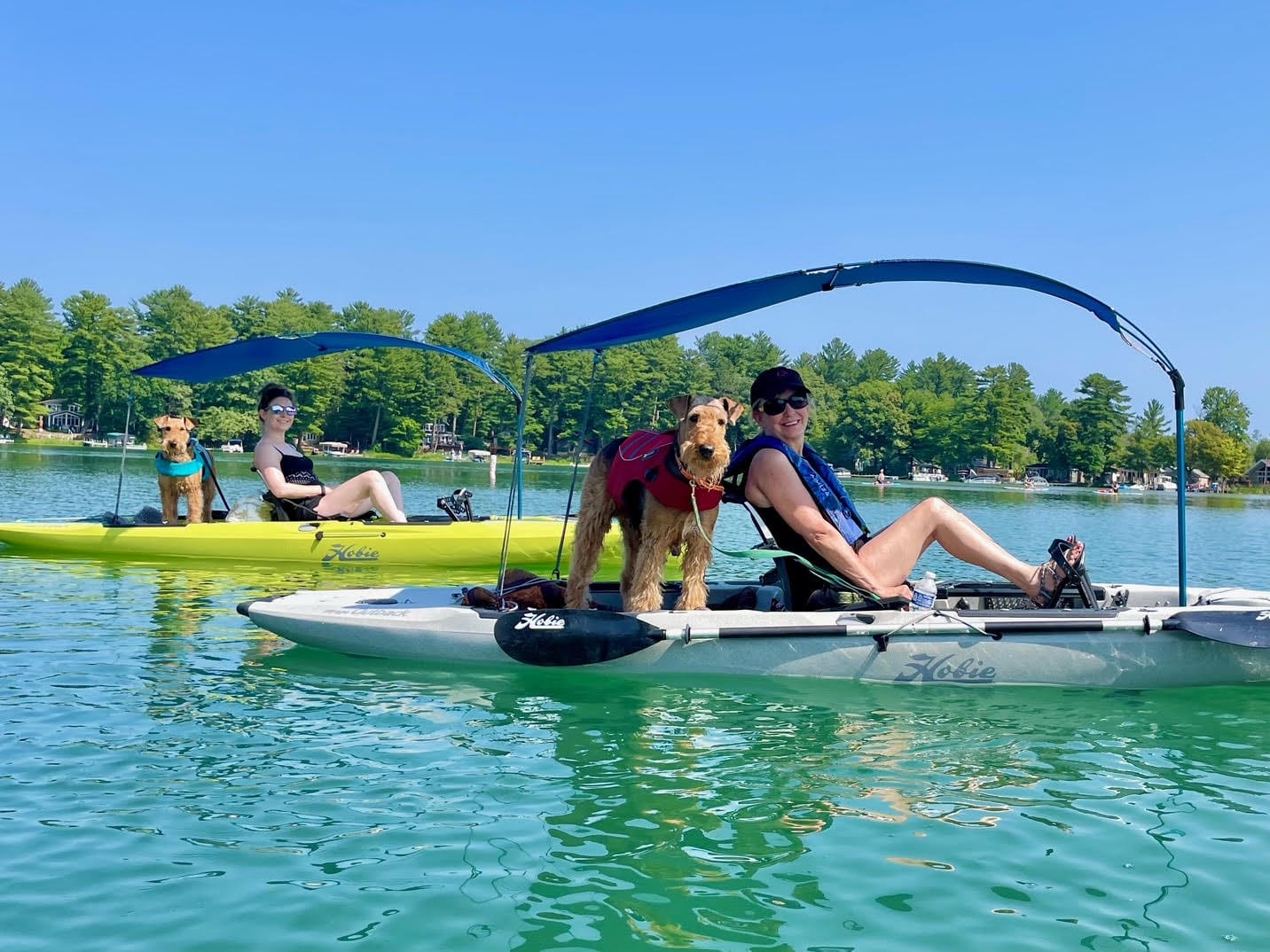
I finally reached the point where I could launch my kayak by myself, spend the day fishing, and load everything back onto the trailer. Then my daughter and I took our dogs kayaking, stopped for lunch, and when I came back to park the trailer, I forgot about a well casing sticking out of the ground. I wrecked the trailer while parking it and had to buy a new one.
When I finally told a few close male friends, every one of them admitted they’d wrecked a trailer too. And here I was, so embarrassed. I was so crestfallen. And yet they all had wrecked their trailers—it didn’t stop them.
Everybody has to start somewhere. No one is perfect in the beginning, and some people may never be perfect at certain things. But you’re never going to discover what you can be good at if you don’t put your toe in the water.
What would you say to a woman who’s interested in the outdoors but worries she’ll look inexperienced?
Everybody starts at the beginning. That’s true for all of us. You don’t have to know everything before you begin. If you don’t take that first step, you’ll never get out there and have the fun that comes from discovering what you can do.
The Sunday Paper Sidebar:
So You Want To Become an Outdoors-Woman?
Click here to find a BOW program near you!
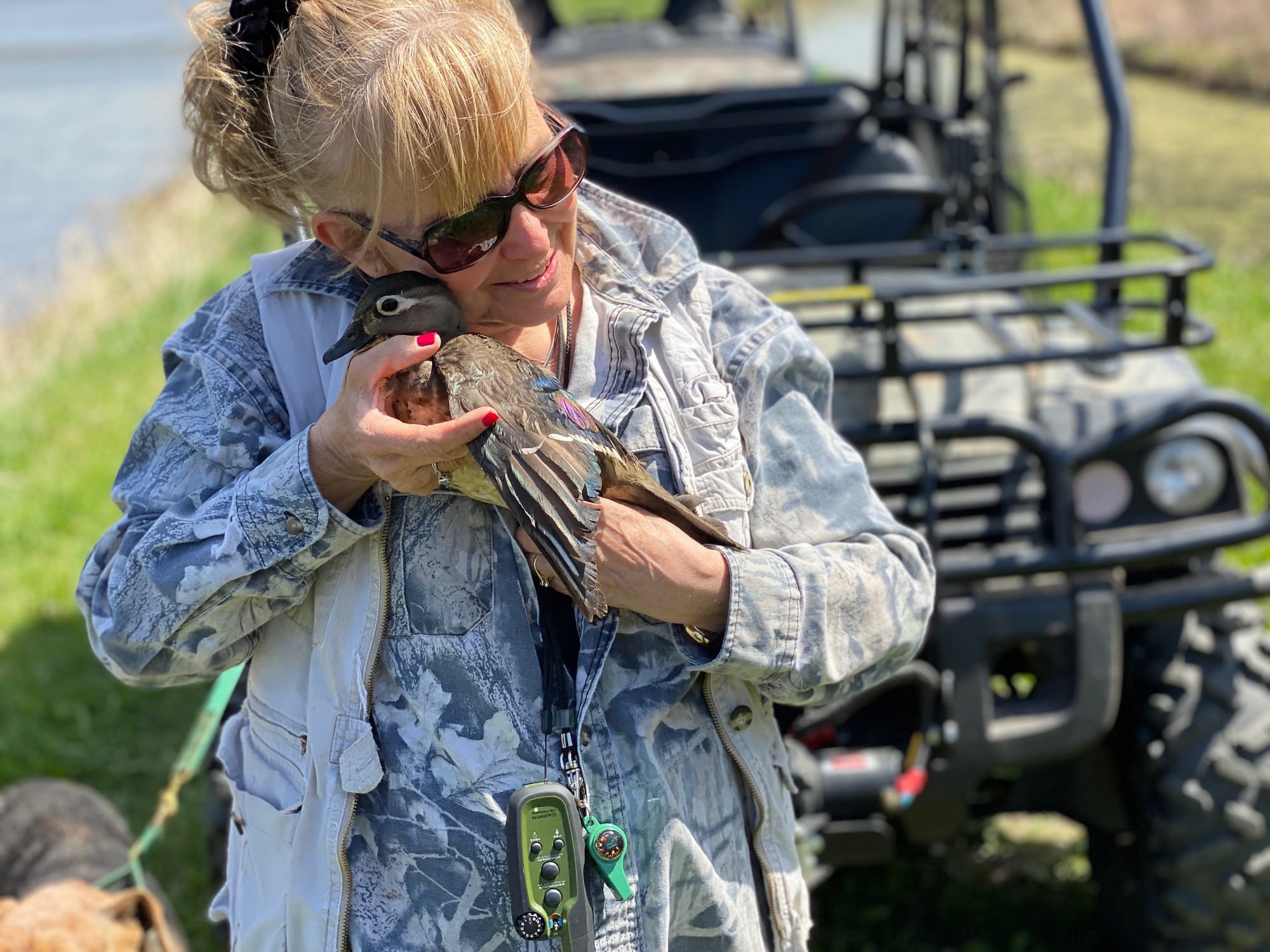
Christine L. Thomas is Dean Emerita and Professor Emerita at the College of Natural Resources at the University of Wisconsin-Stevens Point. She was one of the youngest inductees into the Wisconsin Conservation Hall of Fame. You can follow her adventures on her website: Christine Thomas: Outdoors.
Please note that we may receive affiliate commissions from the sales of linked products.