I Wrote a Book About Women in Their 40s
What surprised me was their heat. Having been a longtime journalist, I’d received deep answers from interview subjects before. The people I’ve spoken with have offered insights ranging from surprising to cathartic. Listening, I’ve always steadied the empath in me so I could do my job without getting swept away by emotion.
But these responses were different. They came from women while I was researching my book about being in our forties. The women’s answers were not answers. They were flares. Spoken-word paragraphs about excitement and freedom, rage and anger, clarity and conviction, yearning and desire. I describe it as tracing the inside of a rose. There were so many turns and curves; so much color and density to their stories.
I asked women big-picture questions: How do you feel about turning forty? What’s changed for you in this decade? In truth, I was searching for answers. Fresh in my forties then (now several years ago), I felt like my insides were a snow globe of questions. Why does this age, this time, feel so different? I wondered.
What I never imagined was the outpouring of emotion and stories when I started asking.
The floodgates opened. The women talked about the scrutiny we face as we grow older and the societal expectations that demand women be a certain way. We shared how there’s a force policing how we do (and do not) look, work, mother, and partner. We gave each other space to be enraged.
And we shared how we felt a newfound conviction in the face of it all. Alive and determined, we talked about the primal-like desire to let go of the “shoulds”—a shift that happens for so many women in our forties—and be who we truly are.
Because our forties are not a time of decline, as society has told us for too long. They’re a beginning.
With nearly every interview I had for the book, I received a follow-up message suggesting another woman who would love to talk. This isn’t an appraisal of my amazing interview skills. It’s a measure of women’s desire to talk about two critical truths: That we are too wild and multifaceted to be given a stale prescription for how to live. And as we grow older, we get closer to who we are and how we want to be.
If you look around, it’s clear: Women today are living a plane of existence far more eclectic than ever.
Research shows that more women in the US are single than ever before. More are waiting longer to get married, which means there’s an uptick in first-time marriages for women in their forties. More women are leaving partnerships, with 70 percent of divorces initiated by women. More women are waiting longer to have children, and more women are not having children, for a spectrum of reasons. There’s also an increase in households headed by same-sex couples.
Being a woman today is a reality in full bloom.
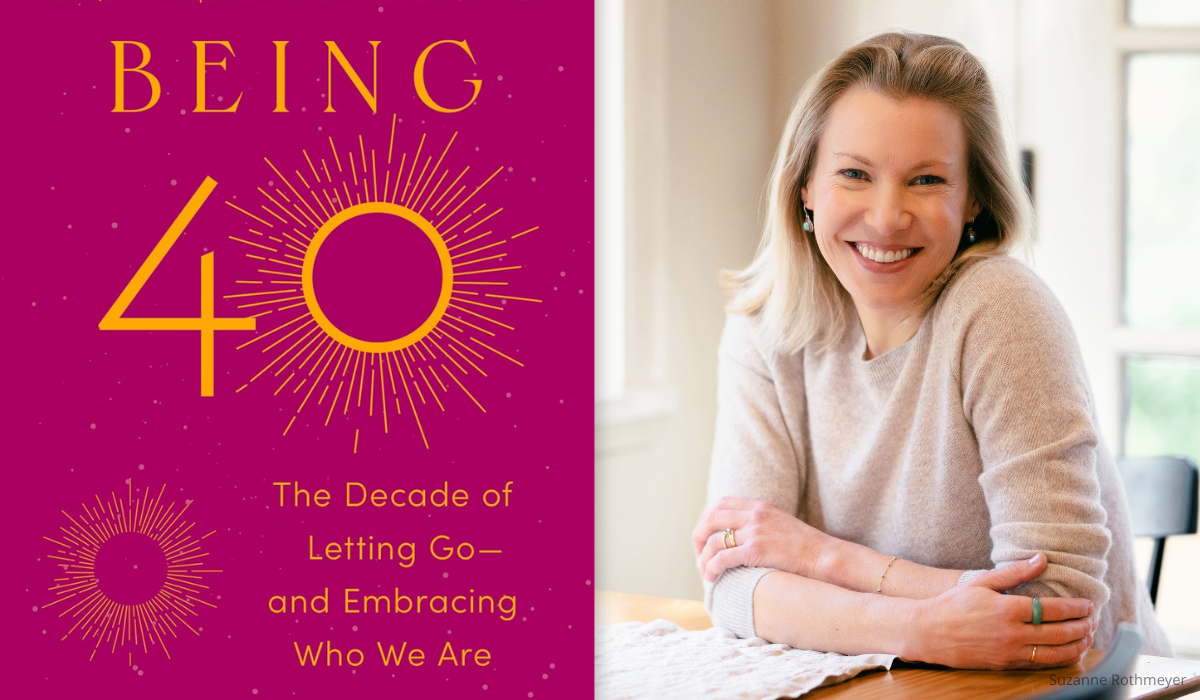
From a cultural standpoint, incredible pro-aging conversations fill social and mainstream media, sharing stories of women asserting their lifestyles and self-worth as they grow older. I cannot get enough. However, after years of interviewing women and ultimately writing my book, BEING 40, I realized the revolution starts quietly. It begins with a conversation with the self—a personal awareness of how the long-held ideas about how a woman “should” be continue to hurt us. Our first work is to see them as they are—made-up stories—and to do the radical work of letting them go.
Then it is up to us to reach out a hand, ask a woman how she feels, listen, and share.
Reporting and writing a book about our forties showed me—and ultimately what these women’s answers proved—is that we all share a collective urgency to declare ourselves and to bring our burning truths to the forefront.
This decade is an intersection, as I call it. A time of radical clarity and self-knowing, coupled with tough stuff, from evolving desires and relationships, to aging parents, to changing pressures at work, all combined with the wild terrain of perimenopause. There’s a lot in this decade.
And still, it’s a starting point—a transition that encourages us to look forward rather than back.
I say, let’s view the forties as an open door into conversations about colossal life elements—for women of any age. Because these discussions ultimately transcend any number and reveal what it means to be a woman today: a body in evolution; a being of gorgeousness, yearning, and complexity.
Thinking back to those interviews, women would often pause and say, “Gosh, I’m crying” or “I’m so emotional.” And I thought, How could you not be? The world has told us to keep our truth tucked away. But when we do talk about it, our self-consciousness eases, and our worth fills up, steadily pulling us in from sea back to the ports of ourselves.
My book, BEING 40, is now out in the world. Its pages include offerings from women about this decade and moving toward oneself. There is also guidance from therapists, doctors, and other experts in women’s spaces, peppered with admissions from my own life. What I hope is for the book to be a companion to you or a woman dear to you.
May this book illuminate that the forties are not an ending, but a vibrant beginning.
May it offer company to all seekers and dreamers tired of justifying their lives and ready to walk down their true paths.
And may it ignite more responses that are flares—each one adding to a giant conversation that connects all women, distinct in our lives but united in an eternal dialogue.
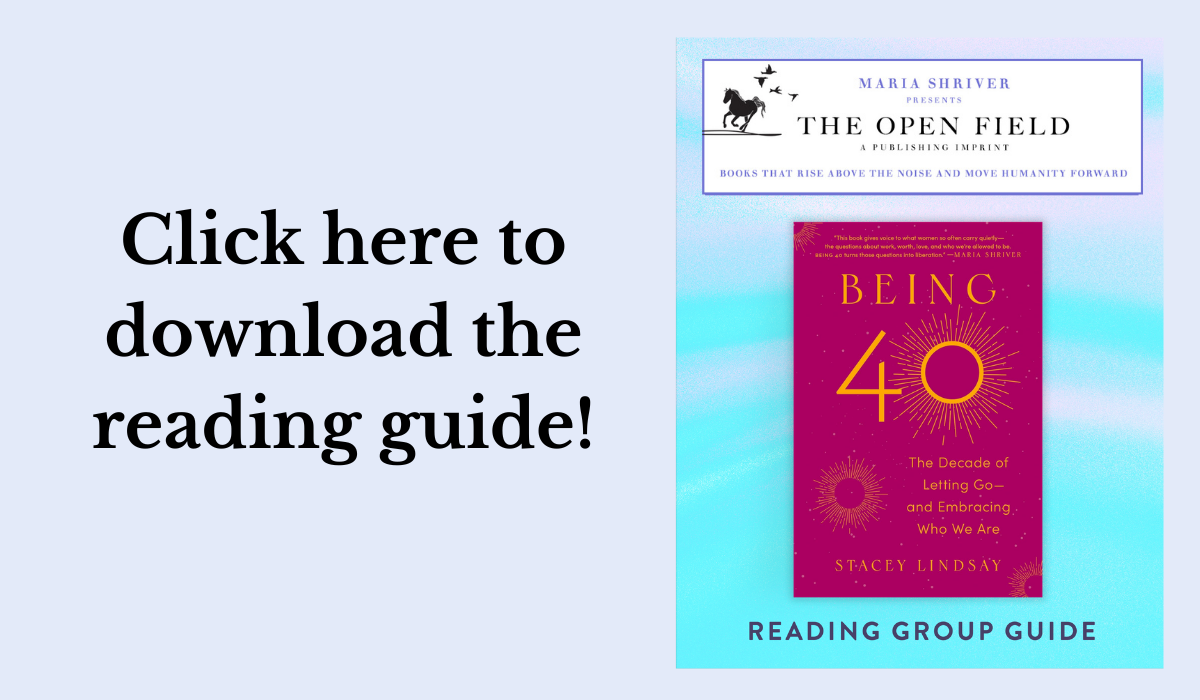
Stacey Lindsay is an author and a journalist. On May 5, she’ll be walking around NYC, sparking conversations with people about her book, BEING 40. If you’re in the area and wanting to say hi, follow and get details here!
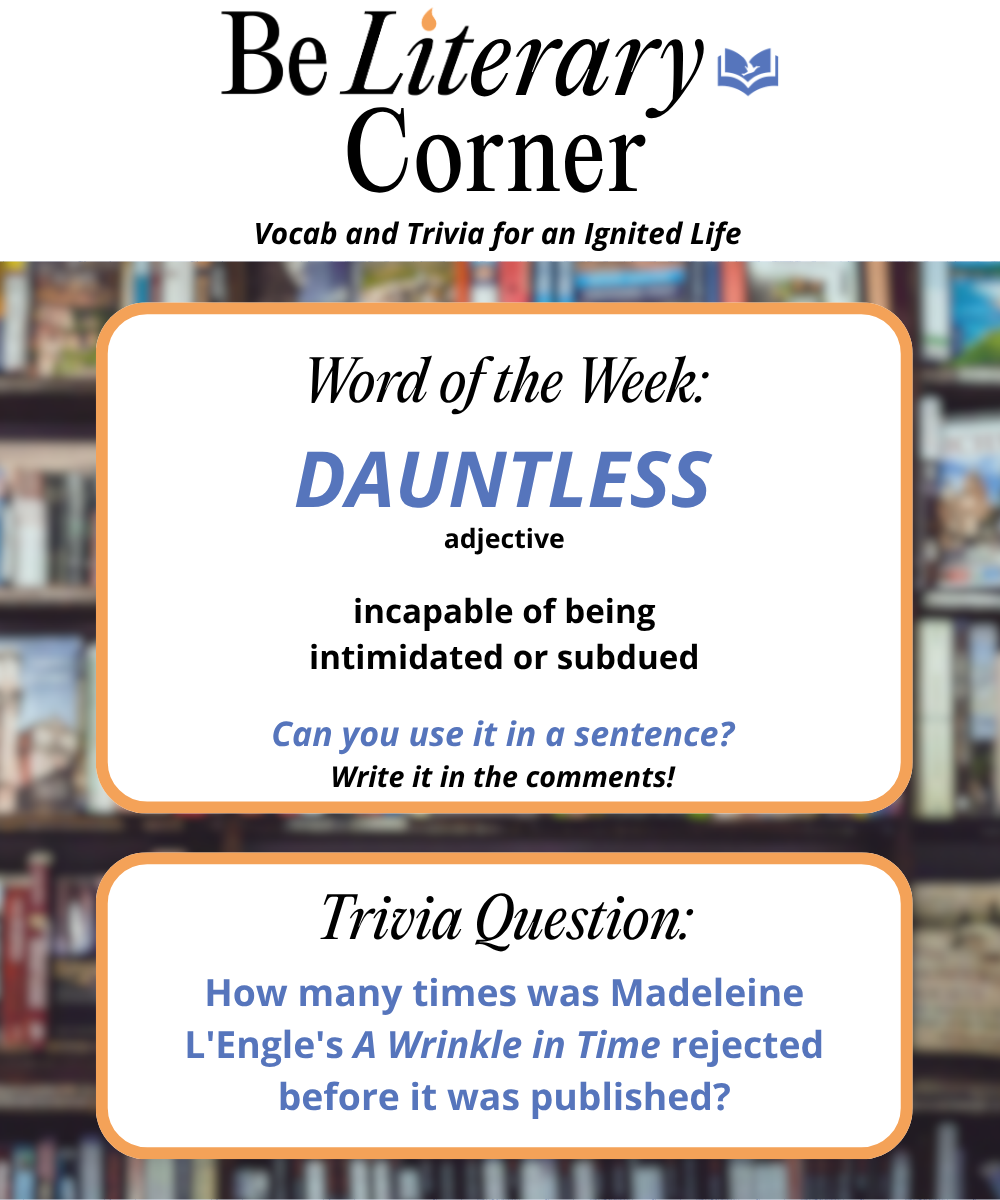
Answer
26—and it went on to win the Newbery Medal
Fun Fact: She received the final rejection letter on her 40th birthday and almost gave up writing.

Please note that we may receive affiliate commissions from the sales of linked products.