The Simple UTI Fix Some Doctors Aren’t Prescribing

Urinary tract infections (UTIs) are a common and dreaded ailment, with more than half of women, and some men, experiencing one in their lifetimes. UTIs lead to stories shared among girlfriends and in online forums, about how sex increases the risk of UTIs (it does, a little) or how peeing immediately after sex will prevent one (it won’t).
Because they are common, often benign, and linked to sex, UTIs pop up occasionally in pop culture. In the show Crazy Ex-Girlfriend, a character serenaded his girlfriend with a song entitled “I Gave You a UTI.” In an episode of the HBO hit Succession, media patriarch Logan Roy’s UTI-induced psychosis nearly costs his family their fortune. In a recent episode of Shrinking, Harrison Ford’s character is diagnosed with a UTI after hallucinating that Michael J. Fox is at his wedding eating a slice of cake.
Despite being a punchline amongst friends or on television, UTIs are a serious matter and can actually be deadly. These infections are no mere annoyance, but can have severe health consequences, including death from sepsis.
UTIs kill more than 40,000 people in the United States annually, most of them women and many of them mothers and grandmothers.
These infections are also the source of significant burden on the healthcare system: One study estimated more than 10 million visits to doctors’ offices each year are due to symptoms likely caused by a UTI. While many of these cases have mild symptoms and respond quickly to treatment with antibiotics, the overall impact of UTIs on women—from discomfort to death—is massive. In case that argument is not enough to make people care, that also means there’s a huge impact on the economy, from healthcare costs to days of lost productivity for the workforce. It also leads to excessive use of antibiotics and promulgation of drug-resistant bacteria.
Women of any age can get a UTI, but the risk increases with age and hormone status. During perimenopause, estrogen and testosterone levels plummet, causing changes to the vulvar and vaginal tissues and microbiome. Symptoms include urinary frequency and urgency, pelvic pain, and recurrent urinary tract infections; together, they are known as genitourinary syndrome of menopause, or GSM.
GSM can be a shock for women who were not told to expect it and who are also experiencing other symptoms of perimenopause, all during a time when they’re supposed to be at the peak of their careers, raising children, or caring for aging parents. Certain medications and surgeries that impact hormone production, including breast cancer treatments, hysterectomies and oophorectomies, also cause GSM symptoms. And if that isn’t bad enough, hormone changes related to lactation and breastfeeding can cause many women to suffer from similar symptoms in the weeks and months after giving birth, a phenomenon known as genitourinary syndrome of lactation, or GSL.
The good news is that there’s a way to prevent many of these infections, and it’s a really simple one.
Vaginal estrogen or DHEA—delivered in low doses locally—comes in a cream, tablet, ring or a suppository. These medications effectively relieve the symptoms of GSM, drastically reducing the likelihood of UTIs by more than 50 percent. Plus, they’re safe and relatively inexpensive if you and your doctor can work together to find the best price.
Despite fears raised by a misguided women’s health press conference and announcement in the early 2000s, vaginal estrogen has never been linked to increased rates of breast cancer, stroke, dementia, blood clots, or any other serious side effects. In fact, it doesn’t even raise systemic estrogen levels. It works locally, improving the health of vulvar and vaginal tissue and reducing the potential for bacteria to enter the bladder and cause a UTI.
Yet the data show that women aren’t getting the care they need to prevent and treat UTIs.
Researchers who looked at the medical records of more than 2.8 million women with documented symptoms of GSM found that more than 70 percent did not receive any treatment. Another study, focusing on Medicare beneficiaries, found that only 9 percent of women with symptoms indicative of GSM were subsequently prescribed vaginal estrogen—despite the potential for Medicare to save billions of dollars if topical estrogen was used more widely.
But there’s hope. Attitudes are changing, and consensus is forming among clinicians, scientists, patient advocates, and regulators. Last year, for the first time, the American Urological Association published evidence-based GSM treatment guidelines that strongly recommended vaginal hormone therapy; the guidelines were adopted by other medical societies, including the Menopause Society. Later that year, the Food and Drug Administration (FDA) announced that vaginal estrogen packages would no longer need to include a black box label claiming the treatment was linked to dangerous side effects. The truth was finally gaining acceptance in mainstream medicine: vaginal estrogen or DHEA therapy is safe for every woman.
These were both huge steps forward for women’s health. But true impact will come when clinicians unlearn what they were told for decades about the dangers of vaginal estrogen, despite the lack of any evidence suggesting those dangers existed. Medical schools and other clinical educational programs will need to start spending more than an hour on menopause and women’s sexual health, and teach the evidence-based guidelines to students, residents, and attending physicians.
The FDA can take further action. These drugs are currently indicated for dyspareunia—a fancy word for pain during or immediately after sex—an important condition that affects a lot of women, but one that insurers don’t consider critical. Adding UTI prevention to the FDA approved indications for vaginal estrogen and DHEA would likely persuade more doctors to prescribe it and more payers to cover the costs. If the FDA has already deemed these medications safe and research clearly shows they help prevent UTIs, then it shouldn’t take more expensive clinical trials and mountains of paperwork to add this indication.
Earlier this month, the FDA announced it is soliciting input on “priority disease areas and potential candidates for drug repurposing.” We need to let them know that vaginal estrogen and DHEA are perfect candidates for this program: they are safe and effective and could potentially save lives (and dollars). I can’t think of a more win-win-win opportunity for regulators, healthcare organizations, and—most important—the people who could benefit from the medications.
Women’s health, some argue, is having “a moment.”
After years of simply being ignored, dismissed, or told to suffer through periods, pregnancy, and perimenopause, women now have a plethora of books, supplements, devices, and celebrity influencers offering to solve their problems. Innovative technologies and new treatments give us hope that women’s health will continue to improve, and they will no longer be told to just “tough it out” or that their suffering “is natural.”
Sometimes, though, it’s the simple, boring solutions that work the best—the ones that require all of us to get on our soapboxes and get loud, because they don’t have venture capital or big pharma doing that for us. Vaginal estrogen or DHEA is one of those solutions, one which could save thousands of lives and help millions of women.
All they need is someone to write the prescription.
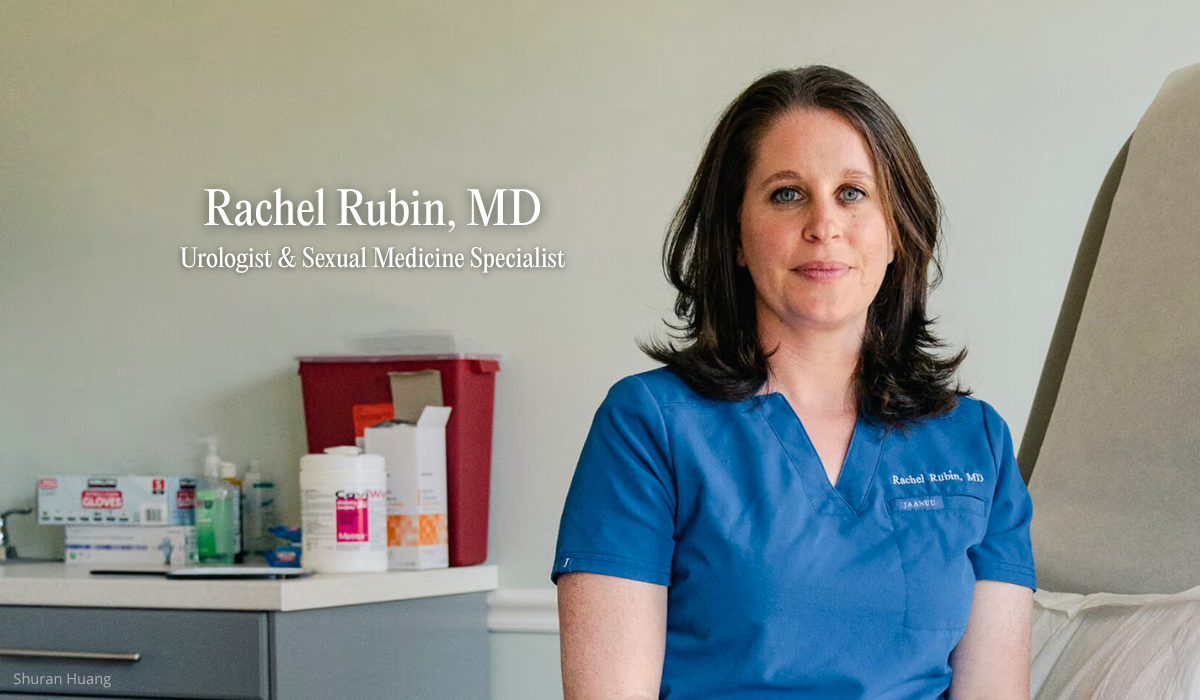
Rachel S. Rubin, MD, is a urologist and sexual health specialist in the Washington, DC, area. She is also an assistant clinical professor of urology at Georgetown University. Learn more at RachelRubinMD.com and by following her on Instagram, YouTube, X, and Facebook at @DrRachelRubin.
Please note that we may receive affiliate commissions from the sales of linked products.